
Buy your Stephania erecta
Stephania erecta is a small wonder, when we say that nature is capable of creating true works of art it is also this plant that we are referring to.
It is not a famous plant in Italy, but it will certainly soon become one! I mean, have you seen it? How can you not appreciate its uniqueness?
So today we will talk to you about this fantastic unknown destined to steal the hearts of every green lover!
Stephanie stood up
Stephania is a genus of plants belonging to the Menispermaceae family, native to eastern and southern Asia and Australasia.
In their habitat they normally grow in deciduous forests located in mountainous areas.
They are not very well known plants but we know that they are herbaceous and perennial and that they can, in nature, reach one meter in height.
The leaves are generally shield-shaped, arranged in a spiral on a stem.
The name “Stephania” is the feminine form of “Stephanos”, which means “a crown”, due to the anthers arranged in the shape of a crown.
Planting
First of all we must understand how to plant our bulb, so that it immediately has the ideal conditions to develop.
- Place some coarse material at the bottom of the jar;
- Fill with pumice stone to about 1 cm;
- Spray to humidify the base;
- Enter the soil;
- Mix the contents of the jar:
- Insert the bulb inside.
This is the process of planting new plants, which need to have fairly soft soil before they can be inserted. Then the bulb must be given time to acclimatise, in this phase the level of humidity that we initially gave it will support it.
Once the humidity has disappeared (it will take about a week, but it is better to use the toothpick method which we will explain later), it is time to proceed with the first watering, which must be abundant.
Let’s take care of Stephania erecta
Light
Intense but indirect light from the sun is necessary to make the bulb growin fact the rays will almost act as an alarm clock for the sleeping bulb.
After the stem is born it needs more light to be able to give life to the leaves, so it is better to move it closer to a window. If you want, once you have moved the plant towards the light you can cut the stem so that it grows back full of leaves, otherwise leave it alone, the leaves will arrive with a little patience.
Waterfall
Generally this plant should be watered 1-2 times a week, but it depends a lot on the surrounding temperature, in fact 2 times a week is fine for temperatures between 25 and 30°C, while at lower temperatures it is fine to limit yourself to once a week.
However, these are indications that it is better to take with pliers, the best solution to understand whether or not it is appropriate to proceed with wetting is to take a toothpick, insert it as much as possible into the soil and take it out, if there is no material left attached to the surface then it is the right time to water! Repeat this step every 3-4 days, after a while you will be able to understand what the plant’s needs are and you will be able to act accordingly, However, take into account the change in season, humidity and temperature.
Humidity
To ensure a better level of humidity it is recommended to bury the bulbs for approximately 2/3 of its surface.
Land
The ideal soil for Stephania erecta is a very draining soil, better if designed for succulent plants or cacti.
Temperature
For the growth of the stem, temperatures must start from 25°C, this makes cultivation only as a houseplant necessary during the cold months.
Dormancy
Between January and April it goes dormant, it will begin to produce new leaves towards May, which will then turn yellow towards December until they are completely dry in March-April.
Problems
Too much or too little watering: causes rot, causing the bulb to soften excessively. When in doubt, it is always better to water less.
Too much light: the bulb will shrink, making the skin feel like it has a layer of emptiness inside it.
Stem without shoots?
Very well, you managed to get the stem out of the bulb but it doesn’t seem to have any intention of adorning itself with leaves? Does he remain there, naked and disconsolate? Let’s try to understand why!
Generally the absence of leaves is caused by lack of sunlight. So this is the first problem to solve (but without exposing the plant to direct sun).
Some shoots need to be cut before they can produce leaves, this is because from the braying done they will be able to grow new twigs.
Ultimas Entradas Publicadas
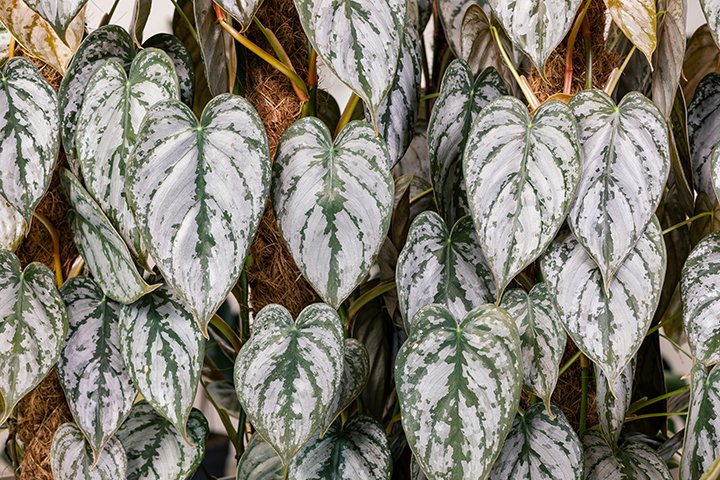
4 reasons to adopt Philodendron brandtianum, the perfect houseplant!
Various models and big discounts in the summer sales: the deal of the day

Let’s talk about Christmas decorations

– Complete calendar of holidays and events

Our favorite seasonal rugs and design tips

The most inspiring Christmas gift perfumes 2025: ideas for him and her
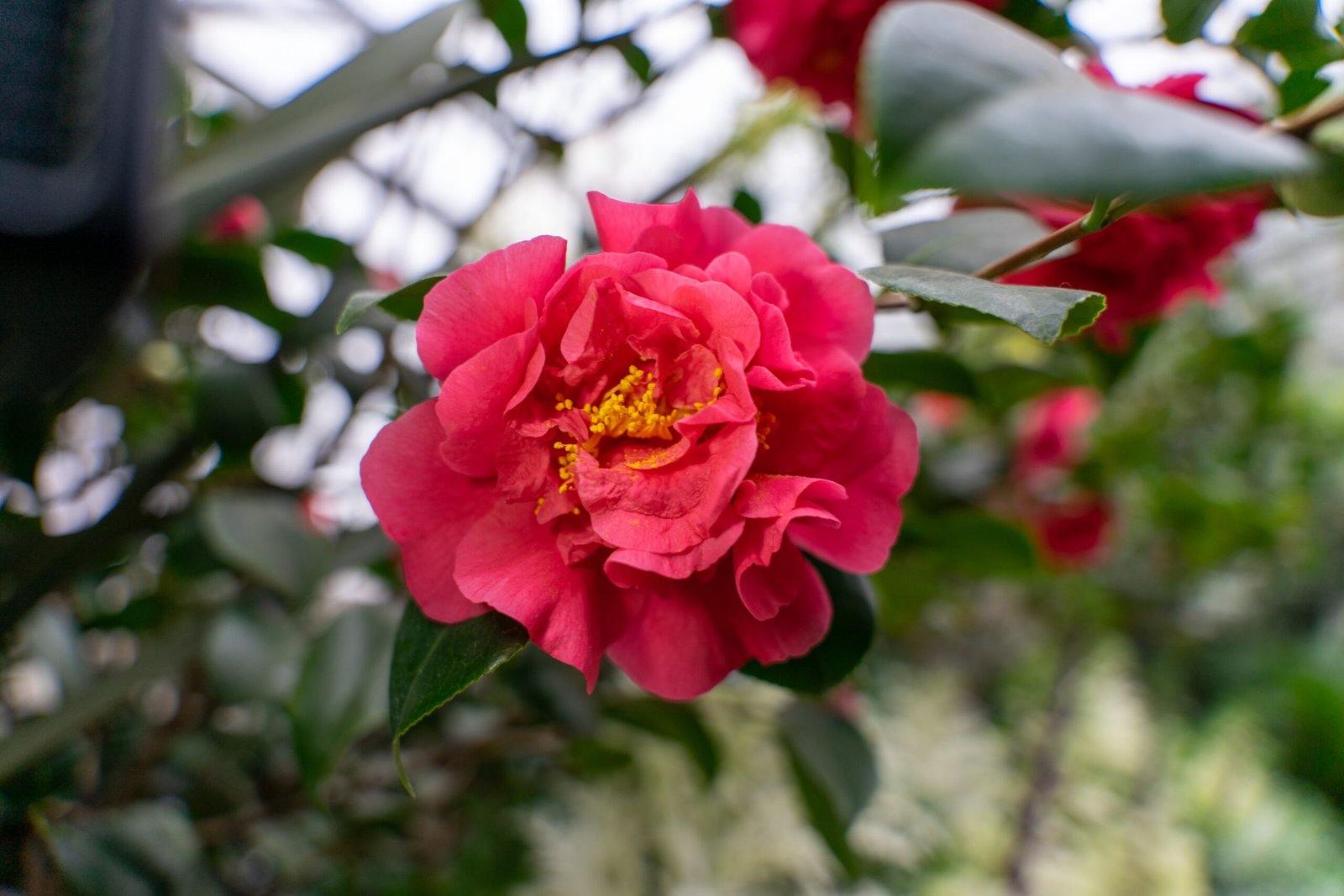
Camellia sasanqua, winter flower – Online Plant Sales
What is happening to our Planet?
How to build a greenhouse for succulents: practical guide