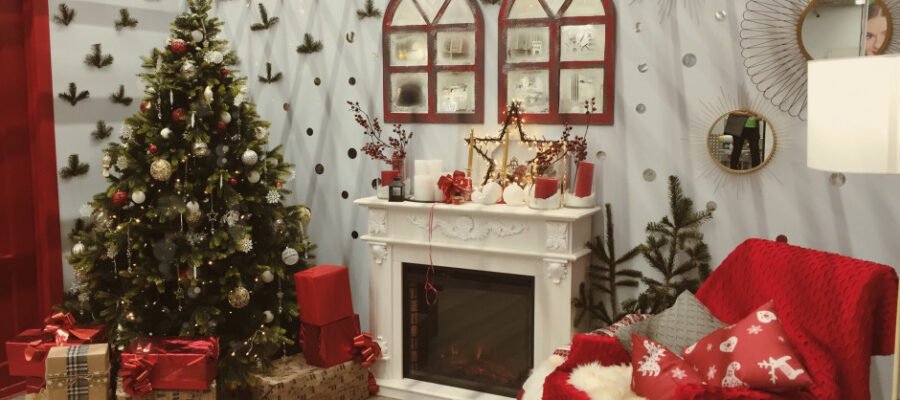
We do this every year: we set up the tree, adorn the house with lights and bring out the Christmas materials.
One of the most enjoyable parts of the season is decorating your home with a tree, lots of lights, ornaments, and various reindeer.
However, aside from decorations, maybe a real appreciation of Christmas decorations is only possible if we think about the unusual and interesting reasons why they changed into what they are now.
Tinsel:
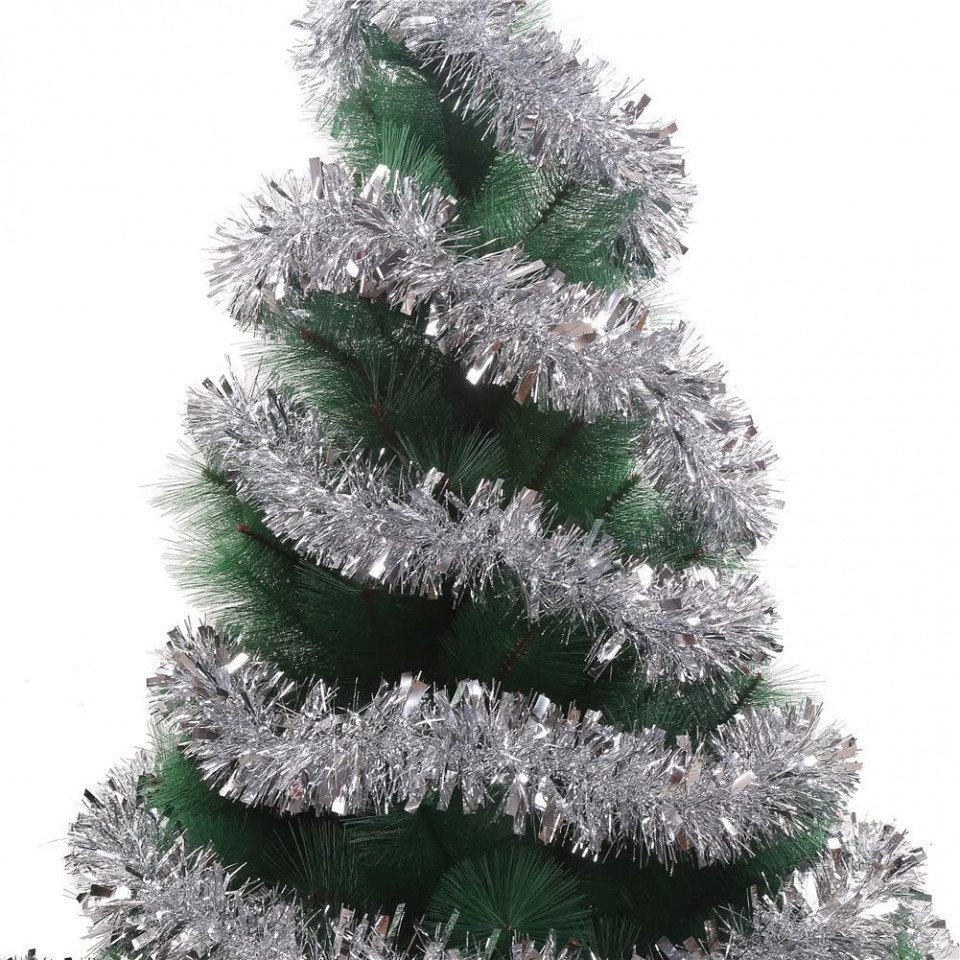
Tinsel started in Germany in the early 1600s, but it was very different from the shiny plastic tinsel we have now: back then it was crushed silver. Real silver.
Tinsmiths back then pounded silver until it was thin, then sliced it into strips. No one seems to have noted the name of the clever person who created the tinsel, but it was so popular that machines began making as much of it as possible to meet demand.
Eventually, people discovered that smoke from Christmas candles caused lamé to turn black, so later types were made with tin and lead. That version was too heavy for a Christmas tree, so the English took over and created the shiny silver tinsel we love today.
Once again, the Germans led the way in the area of decorative creations. Globes were initially created in Lauscha by a local named Hans Greiner, who made them first in the late 1840s. The original globes were made of glass shaped like fruits and nuts, and later they changed to a more round form.
It is believed that Queen Victoria of Great Britain was very fond of the globe tradition and brought them from Germany to Europe in the mid to late 1800s.
American merchant F.W. Woolworth became wealthy by importing globes into the nation during the 1880s. By 1890, it was said to generate $25 million in sales each year.
In the beginning, globes were only for the wealthy since they were handmade and crafted from glass. However, soon a plastic version was created, which made producing them cheaper and available to everyone.
In Britain, Queen Victoria stated that it was unlucky to leave Christmas decorations up after the twelfth day of Christmas, January 5th. Many folks still follow this custom, which cleverly encourages family members to start taking down decorations and stowing them away for the next year.
Green fir was initially used by both pagans and Christians to celebrate the winter season. Pagans adorned their homes with fir branches during the winter solstice, as it was believed to signal that spring was approaching.
The Romans decorated their temples with fir trees during the Saturnalia festival, and Christians adopted the fir tree as a symbol of everlasting life with God.
No one knows exactly when fir trees became Christmas trees, but it is widely believed that the practice began around 1000 years ago in Northern Europe. Many early Christmas trees were hung from the ceiling upside down using chains (suspended from chandeliers or light hooks).
In some regions of Northern Europe, other types of Christmas trees included cherry or hawthorn plants. They were replanted in hopes of blooming during Christmas. For those who couldn’t afford a plant, a wooden pyramid served as a substitute, decorated to resemble a tree with paper, apples, and candles. The modern alternative is the artificial Christmas tree.
Read here about the benefits of having an artificial Christmas tree: Oh, lovely tree!
During Victorian times, the tree was adorned with candles to symbolize the stars. In many areas of Europe, candles are still used to decorate the Christmas tree.
American insurance companies in the United States tried to introduce a law to prohibit the use of candles on Christmas trees because of the many fires they caused.
Later, in 1882, Edward Johnson, who worked with Thomas Edison (the inventor of the light bulb), illuminated a Christmas tree using electricity for the first time. The tree was set up in the living room of his house in New York, situated in the first part of that city connected to electricity. This event created a buzz and was noted by a visiting reporter named Croffut in the Detroit Post and Tribune:
In 1895, an American named Ralph Morris developed different kinds of electric Christmas lights, similar to what we use today.
Various decorations:
Over the years, plastic versions of deer, stars, fruits, butterflies, birds and gingerbread figures have emerged; ranging from inexpensive plastic kinds to pricier glass options. This leads to the discussion of whether a star or an angel should top the tree.
Another favored home decoration was holly branches. With their bright red berries, they created a lovely contrast with the white mistletoe. The two elements were intertwined to make Sacred Branches to hang on the front door.
Any visitor would be embraced under the branch as a symbol of kindness. As for “kissing under the mistletoe,” the tradition began in Britain, where the original practice required a berry to be taken from the mistletoe before anyone could be kissed. Then, once all the berries were gone, no more kisses could be given.
On Chilipirul-zilei.ro you can find a huge variety of Christmas decorations: globes, figures, displays, artificial trees, tinsel, garlands, table linens, mats and much more.
Ultimas Entradas Publicadas
4 reasons to adopt Philodendron brandtianum, the perfect houseplant!
Various models and big discounts in the summer sales: the deal of the day
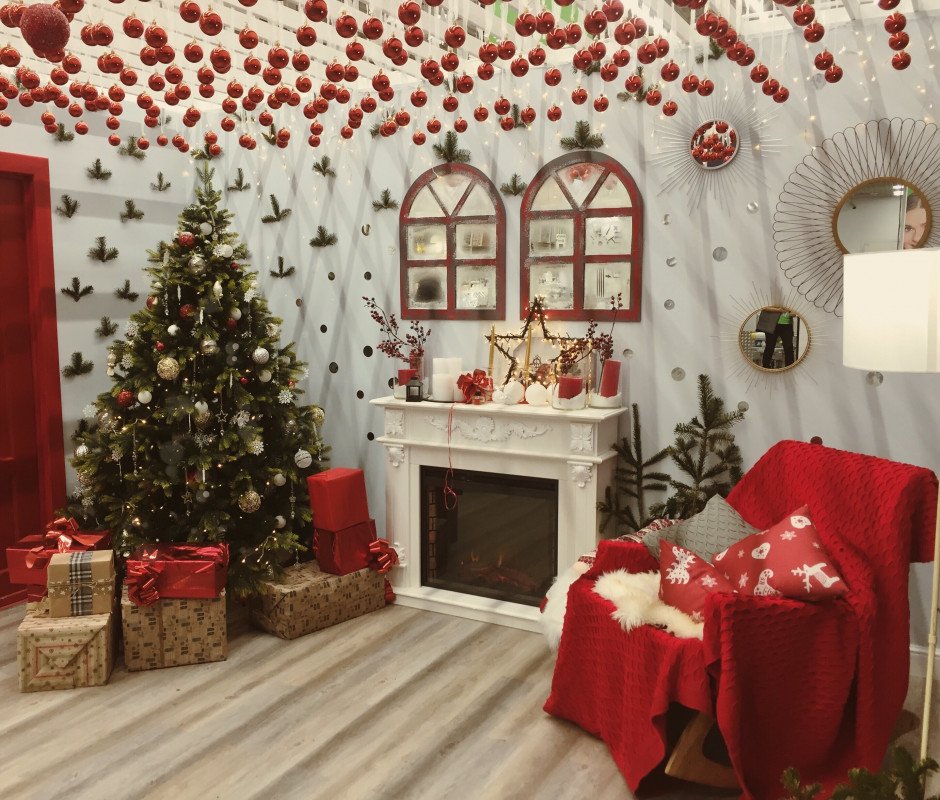
Let’s talk about Christmas decorations
– Complete calendar of holidays and events

Our favorite seasonal rugs and design tips
The most inspiring Christmas gift perfumes 2025: ideas for him and her
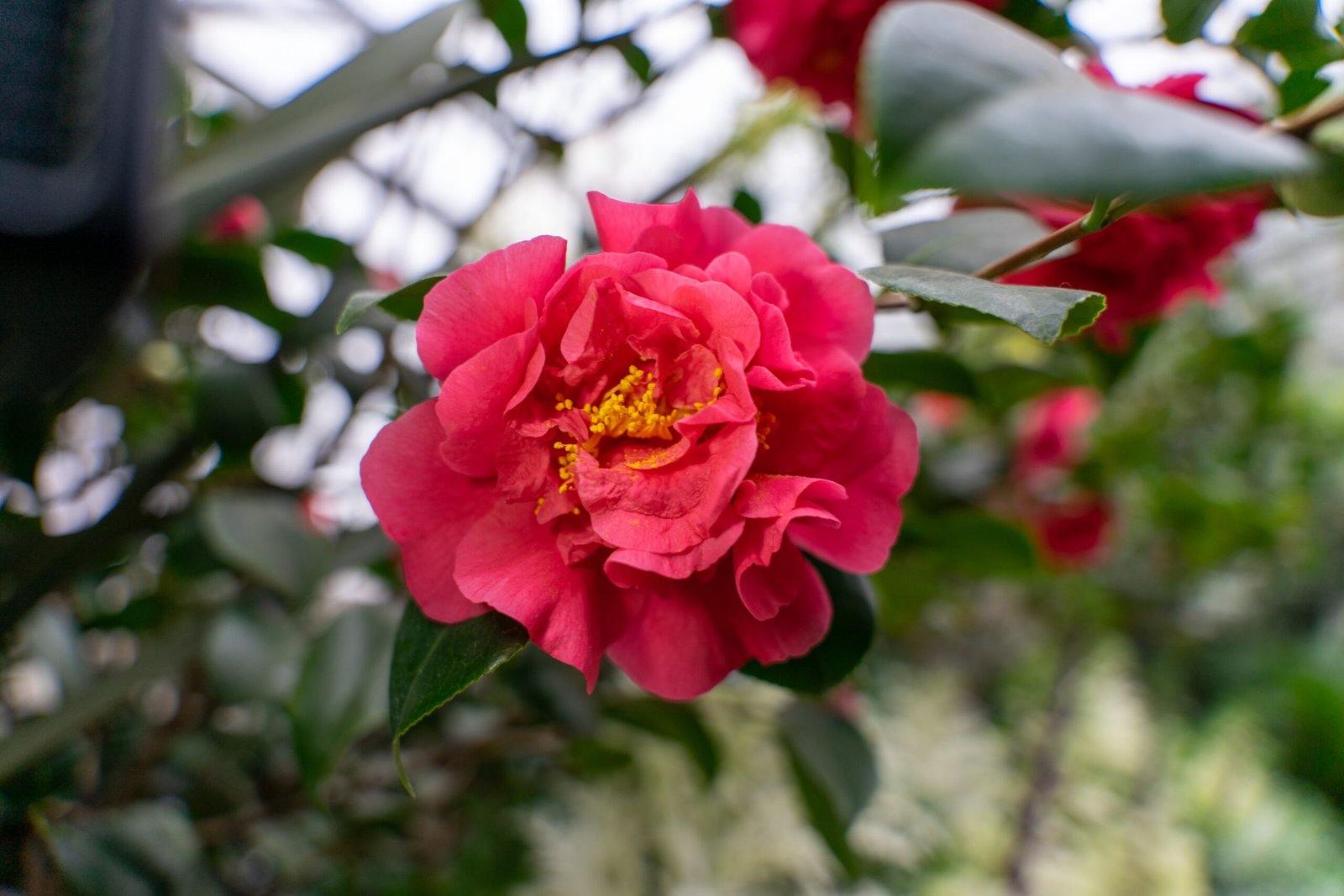
Camellia sasanqua, winter flower – Online Plant Sales

What is happening to our Planet?

How to build a greenhouse for succulents: practical guide