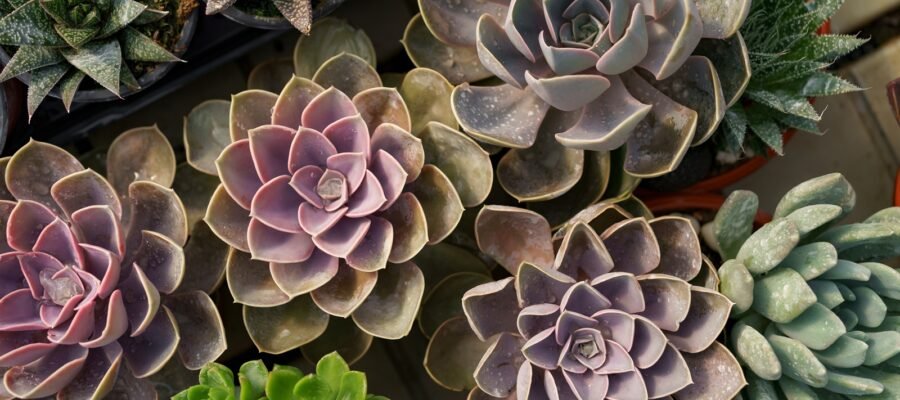
Today we’re discussing indoor plants that are generally very popular: cacti and succulents.
Many people think that succulents need minimal care, which often leads to them not reaching their full potential or blooming.
These are actually really easy species to grow: however, the little care they require is very important.
We know cacti and succulents
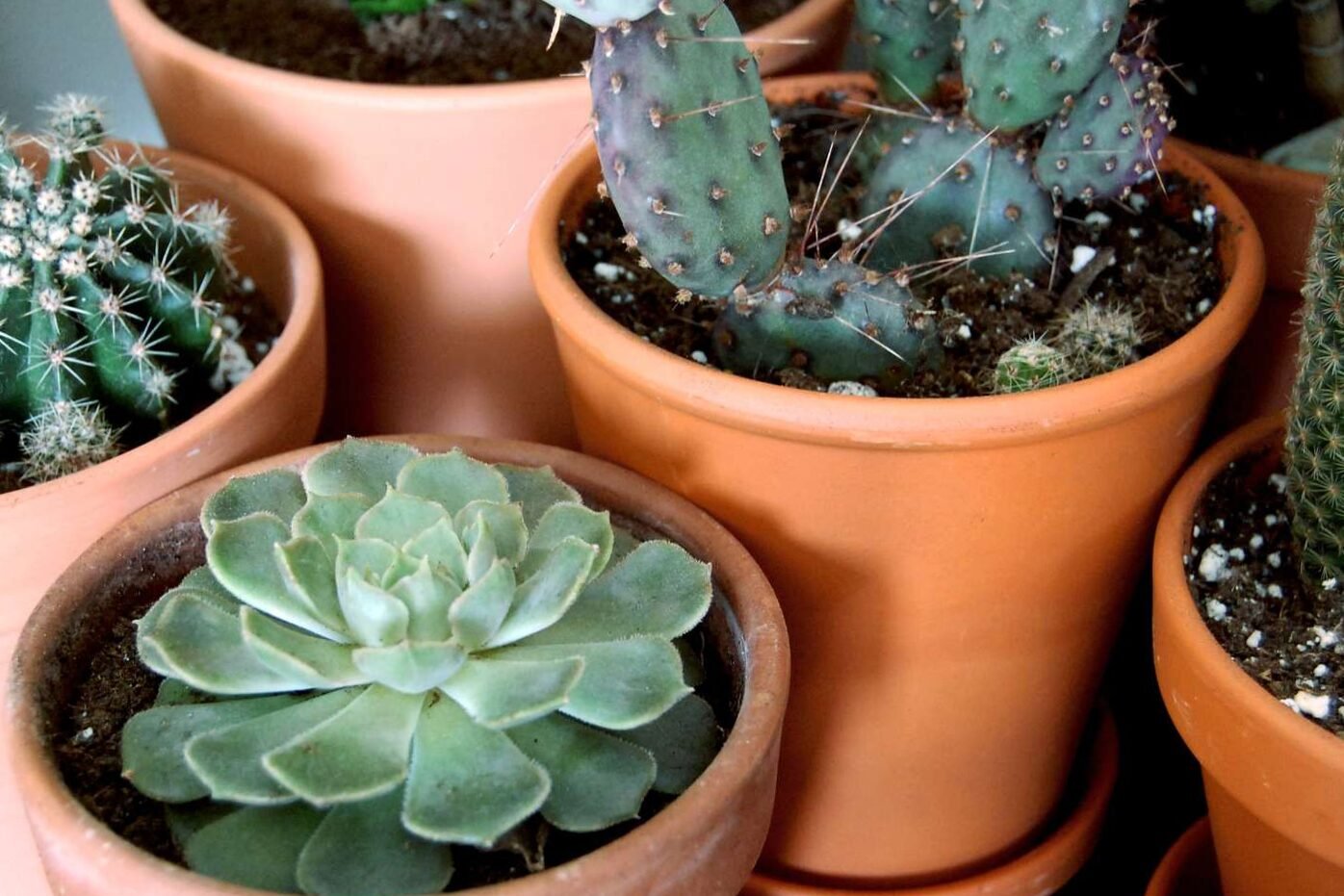
THE succulent they are plants that have adapted their structures (leaves, stems and underground tuber) in order to store water: for this reason they are able to tolerate long periods of drought.
From this point of view, I cactus they are similar to succulents. What differentiates them is the presence of areolas, small bumps from which the spines, the fluff, and in some cases flowers emerge.
Some succulents also have thorns, which however arise from the stem.
Some are regarded as foliage or flowering plants: this includes dracaena and wax flower. Because they are succulents, they need the same growing conditions as plants like badlands, sansevieria, and all types of euphorbia.
Most succulents originate from the African continent, where extended droughts are interspersed with infrequent but heavy rains that quickly evaporate. To accurately mimic natural environments, the soil used must provide proper drainage: the ideal mixture is made by combining 1 part grit or coarse sand with 2 parts high-quality soil.
Furthermore, succulents are actively growing and flowering during the rainy season, whereas they enter a resting phase during drought periods. It is important to remember at home that when the flowers naturally wither and fall, it indicates the start of the rest period.
Varieties of succulents
Leaf succulents. Lithops, aloe, agave, crassula: they store water in their tissue-rich fleshy leaves.
Stem succulents. Euphorbia, stapelia And Charalluma. They are specimens almost completely devoid of leaves, equipped with a waxy patina or fine down, expedients that limit the loss of humidity through evaporation.
Subterranean tuber succulents. Ceropegia And Pachypodium rosulatum. Their characteristic is a large fleshy tuber in which they store water and nutritional elements.
Cactus
Many cacti fall into the categories of stem succulents: there are over 200 genera belonging to the cactaceae family and all originating from the American continent (Mexico in particular).
Their natural environment varies from vast desert expanses to tropical forests and they are therefore divided into desert or terrestrial cactiwho love full sun, and forest cacti or epiphyteswho love the shade.
Epiphytic plants live on another specimen, without however drawing nourishment from it and without parasatising it, like for example HylocereusThe Epipillus and the Schlumbergera. Epiphytic cacti are ideal for a hanging basket, from where their flowers can usually be best appreciated.
Wetting: abundant and occasional
In order not to make mistakes, therefore, the indication is to water abundantly only during the vegetation periodletting the soil absorb the water and waiting until it is almost dry before spraying again.
During the period of rest watering must be suspended completely, unless the temperature of the room is very high: in this case, it is necessary to administer little waterfalljust enough so that the leaves do not shrivel. At this stage, a solution could be to move the specimen to a cooler room, with a temperature around 10°C.
During the winter rest, cacti and succulents must be checked at least a couple of times a month, while during the vegetative period the frequency must reach two/three times a week.
Fertilization
Succulents should be fertilized with a fertilizer low in nitrogen and rich in phosphorus: once a month for the entire growing season and during flowering.
It is better to use a liquid fertilizer, to be administered to already moist soil.
Gradually dissolving sheet fertilizers should be avoided, as they require water to be activated.
A plant is able to absorb nutritional elements only if it is healthy and has a good root system: never fertilize cactus when they show signs of suffering or during the period of quiescence.
Desert and forest cacti
I desert cactus they should be treated as described above: water well and let the soil dry completely between one watering and another.
Grow them in well-drained soil and, during the rest period, administer little water.
The plants should always be swollen and firm when touched, with their water supply adequately maintained. Examine the dormant plants monthly: if the temperature becomes too high, the stems may begin to wilt.
During the vegetative period, cacti need to be watered once a week, unlike smaller ones which need to be watered even two or three times.
I cactus original of forests in nature they grow on the trunks and branches of tropical trees: the soil must be kept just moist. Among these cacti, the winter-flowering ones grow better with higher temperatures.
Most of these specimens must be repotted every two or three years and fertilizing requires waiting six months after repotting.
Ultimas Entradas Publicadas
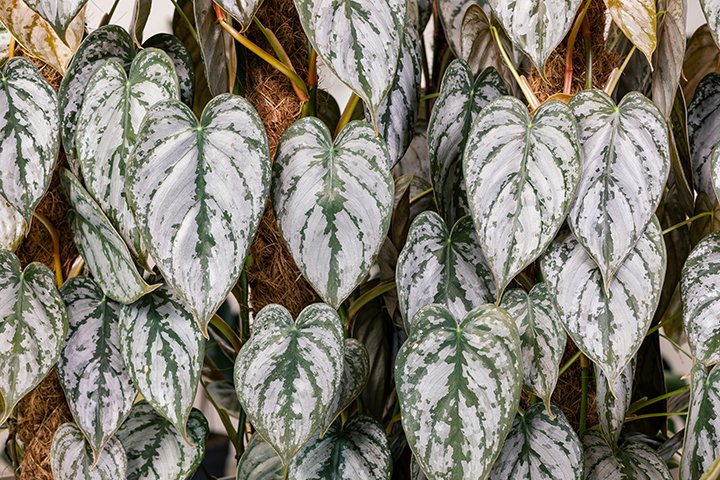
4 reasons to adopt Philodendron brandtianum, the perfect houseplant!
Various models and big discounts in the summer sales: the deal of the day

Let’s talk about Christmas decorations

– Complete calendar of holidays and events

Our favorite seasonal rugs and design tips

The most inspiring Christmas gift perfumes 2025: ideas for him and her
Camellia sasanqua, winter flower – Online Plant Sales
What is happening to our Planet?
How to build a greenhouse for succulents: practical guide