Brown bugs are a small nuisance that fascinates many gardening enthusiasts. Sooner or later, all plant lovers find themselves battling these little invaders. But don’t worry! This guide will provide you with all the information you need to identify and manage the presence of brown bugs on plants. If your goal is to keep your garden lush and free of unwanted guests, you’re in the right place.
Recognizing brown bugs on plants
What do brown bugs look like?
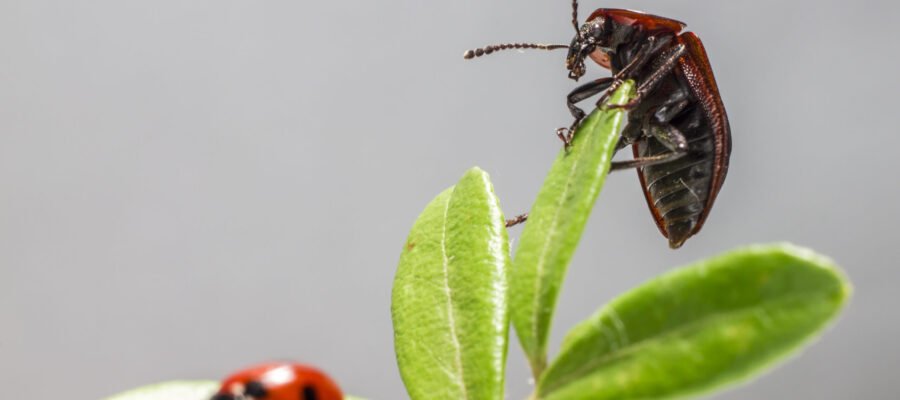
Brown bedbugs are characterized by a brown oval body, with dimensions that can vary from a few millimeters to a centimeter. These insects camouflage easily among plants due to their color, making them difficult to spot immediately.
Where are they hiding?
These bugs tend to hide among plant leaves and on stems. They particularly love ornamental plants and aromatic herbs, but do not disdain horticultural crops. They are especially active on hot days and quickly realize if there is an abundance of food in your garden.
What damage do they cause?
Brown bugs on plants feed by sucking sap, thus causing yellowing of the leaves and, in more serious cases, premature fall or wilting of the plants themselves. This damage reduces the plant’s ability to photosynthesize and, if left untreated, can seriously compromise the health of your beloved plants.
Control strategies for brown bugs
Natural remedies
There is no need to immediately resort to harsh pesticides. There are several natural remedies that can help you prevent or manage a brown bug infestation:
- Soap based solutions: Use a soap and water solution to spray plant leaves. This remedy will help dehydrate the bugs without harming the plant.
- Garlic and chilli: A mixture of garlic and chili peppers can act as a natural repellent. Simply mix these ingredients with water and spray on the plant.
- Nimes from vegetable oil: Vegetable oils and nim oil can help you suffocate bedbugs.
Chemical solutions
If natural remedies are not enough, you may consider using specific insecticides. It is important, however, to choose products that are safe for the environment and, if possible, organic. Be sure to carefully follow directions on dosage and frequency of application to avoid damage to plants.
In the next part of the article, we will delve into other preventative strategies and guide you in recognizing the warning signs of an intensifying infestation.
Preventing brown bugs on plants
Monitoring and inspection
One of the most effective ways to prevent a brown bug infestation is to maintain a regular inspection schedule for your plants. Periodically check the leaves, stems and surrounding soil to promptly detect the presence of these insects. Remember that quick identification is key to preventing a small presence from turning into an unmanageable problem.
Create an unfavorable environment
Brown bed bugs prefer warm, moist environments. Here are some simple tips to make your garden less welcoming to these unwanted guests:
- Soil aeration: Make sure the soil is well drained to avoid excessive waterlogging.
- Regular pruning: Remove dead or diseased leaves and branches so the plants breathe better and don’t become perfect shelters.
- Plant Compatibility: Plant herbs such as mint or rosemary, which will naturally repel bed bugs.
Natural allies
Don’t forget that nature has already thought of solutions! Some insects, such as ladybugs and praying mantises, feed on brown bugs. Encouraging the presence of these natural predators in your garden can help you keep the stink bug population under control without human intervention.
Warning signs of an infestation
Visual changes
Pay attention to any visual changes on your plants that could indicate the presence of brown bugs:
- Yellowing leaves: This is one of the most common signs that brown bugs are feeding on the plant’s sap.
- Fallen or pitted leaves: They may indicate the pressure of overly voracious insects.
Physical presence of insects
Another clear sign is the physical presence of brown bugs. They are most active during the day and you can often find them on the lower surfaces of leaves.
Smells
On occasion, you may notice a slight stench that brown bugs emit, particularly when they are crushed. This odor can be a telltale sign of growing numbers of these insects in your yard.
As we continue the article, we will explore other effective methods and practical tips for dealing with brown bugs on plants, so you will be very ready to defend your green corners with the right weapons.
Other practical methods of dealing with brown bedbugs
Manual removal techniques
In some situations, when the infestation is still small, manual removal can be an effective option:
- Hand-picked: Although it may not seem pleasant, collecting bedbugs manually from plants is certainly an ecological and simple method.
- Using the vacuum cleaner: For hardier crops and larger areas, you can use a small handheld vacuum to suck up these insects.
Traditional experiences and remedies
Often the secrets of the past can prove to be formidable allies against brown bugs:
- Natural decoctions: Some growers swear by the effectiveness of decoctions based on nettle or horsetail. These decoctions can be sprayed on plants and act as a natural deterrent.
- Wood ash: Sprinkling a little wood ash around the base of plants can deter stink bugs due to its consistency.
Involve the community
Never underestimate the power of information sharing! Joining local or online gardening groups can offer you valuable support. Other gardeners may have helpful experiences to share about how they have dealt with brown bugs on plants.
Conclusion
In summary, dealing with brown bugs on your plants may seem like a daunting task at first, but with the right knowledge and a little patience, you can win this battle and keep your garden healthy and thriving. Remember that the key to success lies in prevention and constant monitoring. Don’t hesitate to experiment with different methods until you find the strategy that best suits your green space. With this information in hand, you are more than equipped to best handle any brown bug encounter. Happy gardening!
On the our Le Georgiche store you will find natural products, soils and useful accessories to keep your plants healthy and protected from attacks by parasites such as bedbugs. Discover all the available solutions by clicking here.
Ultimas Entradas Publicadas
4 reasons to adopt Philodendron brandtianum, the perfect houseplant!

Various models and big discounts in the summer sales: the deal of the day

Let’s talk about Christmas decorations

– Complete calendar of holidays and events

Our favorite seasonal rugs and design tips

The most inspiring Christmas gift perfumes 2025: ideas for him and her
Camellia sasanqua, winter flower – Online Plant Sales
What is happening to our Planet?

How to build a greenhouse for succulents: practical guide