Rose bushes in the garden and no idea about how to start pruning them? Don’t worry! Today’s post is dedicated to exactly this!
Pruning is an operation that often intimidates beginners, and in fact, to get the best from the plant, it should be performed by expert hands.
The positive news is that nearly all indoor-grown varieties are highly resilient, making it generally easy to fix mistakes. Therefore, I recommend that you prune and observe after reading the following: in brief, to practice and gradually become comfortable with pruning.
What is pruning?
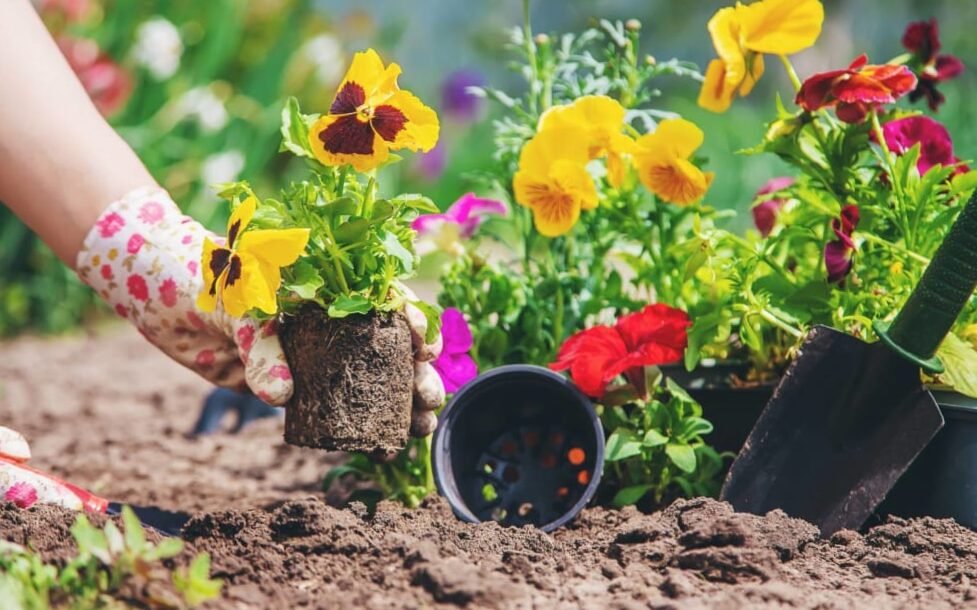
With the deadline, pruning means the excision. The cut of one part of the plant. Generally, it is a dead part or a piece that you do not want to keep because it is not suitable in size or shape, or because it was grown to collect flowers, fruits, or seeds.
Even the removal of leaves putting them in pots is called pruning. Be careful: if done sensitively the plant does not suffer at all.
When to prune
You should start pruning as soon as you acquire the plant, just removing the vegetative tips to promote compact growth: avoid allowing the specimen to grow large and awkward before taking action.
Major pruning must be carried out in winter: this is in fact the rest period for almost all species, which will then sprout in late spring.
There are also types of pruning that must be carried out as needed, therefore outside of seasonal logic. For example, if the plant has a suffering appearance, it is possible that we need to intervene, but be careful: many dormant deciduous plants appear dead, which is why it is advisable to postpone what to do until spring, when it will be much easier to distinguish the living stem from the dead one.
How to prune
Each cut should be made just above a healthy jet: the regrowth of the plant will start from the latter. There, pruning must be close to the jet but not too much, so that the gem doesn’t get damaged. The stem must be cut with a cut parallel to the direction of the jet.
It is necessary that the cut is nettherefore use clean and well-sharpened tools.
The most basic type of pruning is, as expected, trimming the vegetative tips. This encourages the plant to grow bushily and can help keep it compact. The fuchsia and geranium respond well to this method. Herbs such as basil are cut to prevent flowering.
Special cases
Not all varieties respond well to pruning: the main group of indoor plants that should not be pruned is the one to which all palms belong.
Many plants will not grow if pruned to a point beyond their current growth. For example, lavender responds well when cut just above the woody stem that has grown during the year; however, if pruned on old wood, it can easily begin to deteriorate quickly.
Prune to gather seeds.
Removing the seed-producing parts of a plant causes it to direct its energy toward growth rather than seed production.
You should remove the withered flowers of rhododendrons (including azaleas) using just your fingers; this will help prevent damaged flowers from appearing the next year.
Remove dead flowers
By carefully removing dead flowers, you will keep the plant tidy, prevent rot from spreading diseases, and also encourage further flowering of the plant.
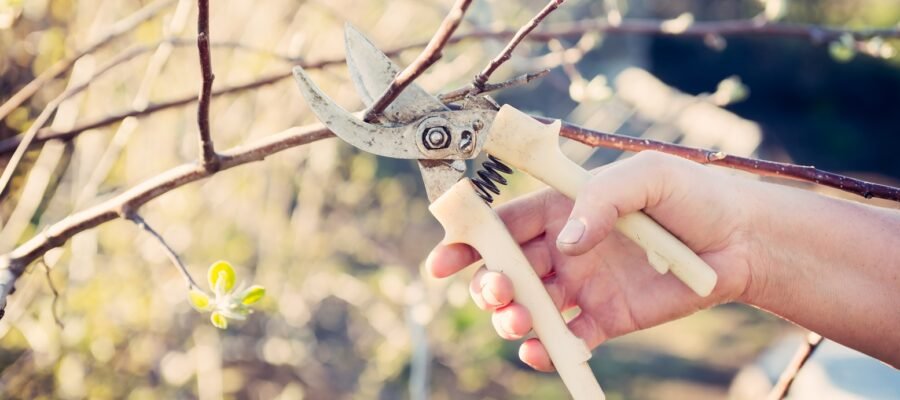
Small plants, depending on the type, can be pinched off with your fingers or trimmed with sharp scissors; however, roses must be pruned with shears.
Be cautious to remove the tip of the right length from each plant (typically around 20 cm): avoid letting the flowering stems point upwards.
New growth will start from the highest bud remaining on the stem.
Remove leaves that are dead or damaged.
Use your fingers, a pair of sterilized scissors, or a new razor blade: the latter is especially suitable for orchids often subject to viral infections.
Herbaceous plants, including aromatic ones such as thyme, mint, and chives, require decisive trimming in spring, during repotting: for these plants, I recommend using shears.
Prune the roots
Herbaceous species, or large indoor plants that cannot be repotted into a larger container, often require root pruning: use a sharp knife to trim the root mass by approximately 25 cm (herbaceous plants can be reduced by up to a third).
Trim shrubs.
Long shrubs can be cut down to half the size. Almost all climbers fall into this category: if you have any doubts about what to do, simply cut them back by a third.
Latest aesthetic advice.
Moreover, a plant can display attractive foliage at the top while having leafless sections along the stem.
A single severe pruning at the end of spring or the start of summer can produce excellent results: the philodendron and the ivy are examples that respond well to this method.
If you want to indulge your creative side, you can also find inspiration in the shapes of topiary art by using the hedge trimmer at the end of spring. If you have a laurel hedge, now is the time to trim it, dry the cuttings, and use them in the kitchen!
Ultimas Entradas Publicadas
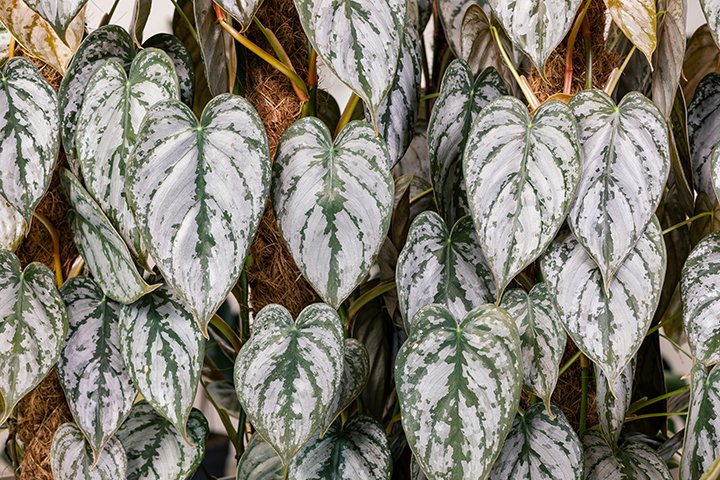
4 reasons to adopt Philodendron brandtianum, the perfect houseplant!
Various models and big discounts in the summer sales: the deal of the day

Let’s talk about Christmas decorations

– Complete calendar of holidays and events

Our favorite seasonal rugs and design tips

The most inspiring Christmas gift perfumes 2025: ideas for him and her
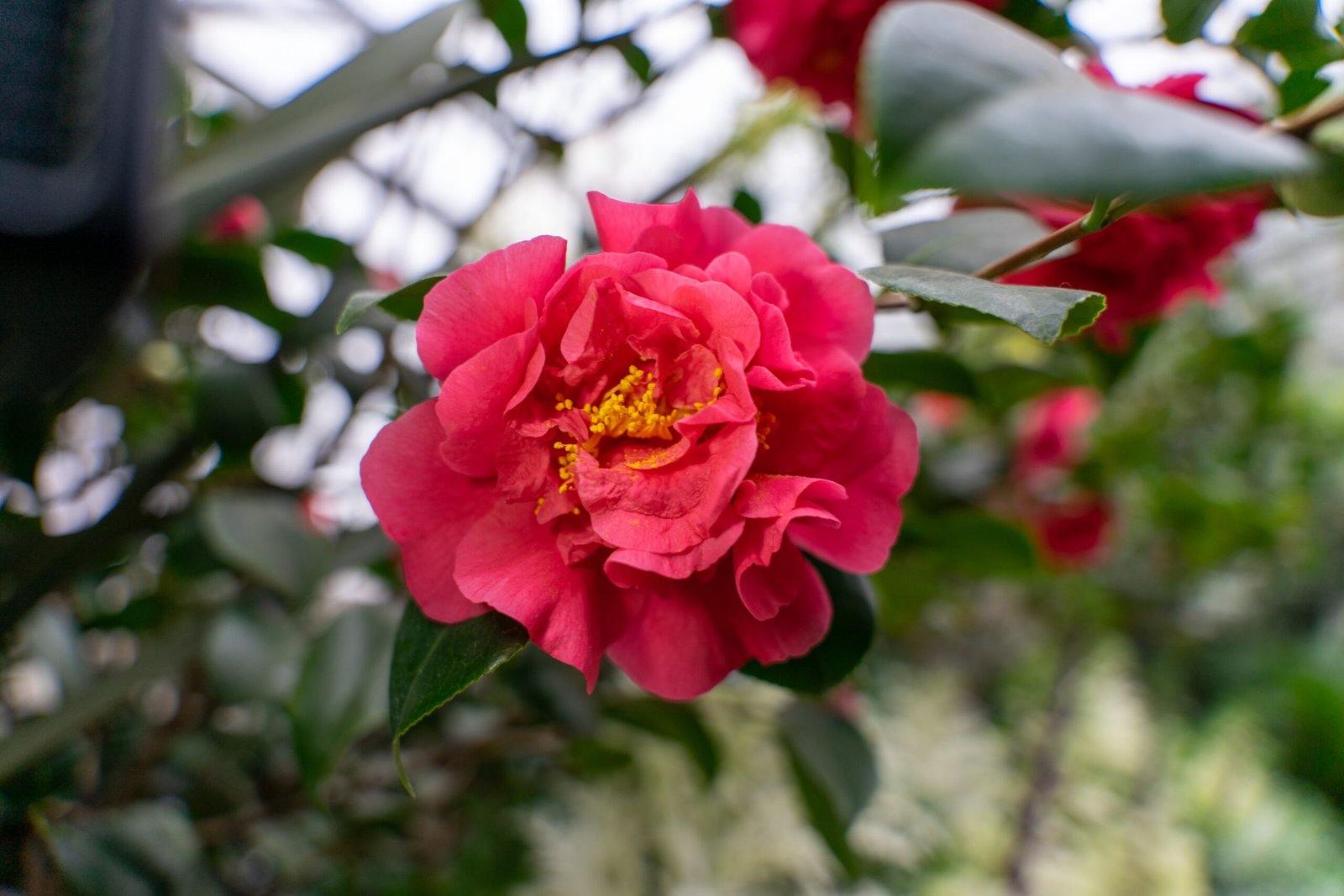
Camellia sasanqua, winter flower – Online Plant Sales
What is happening to our Planet?
How to build a greenhouse for succulents: practical guide