
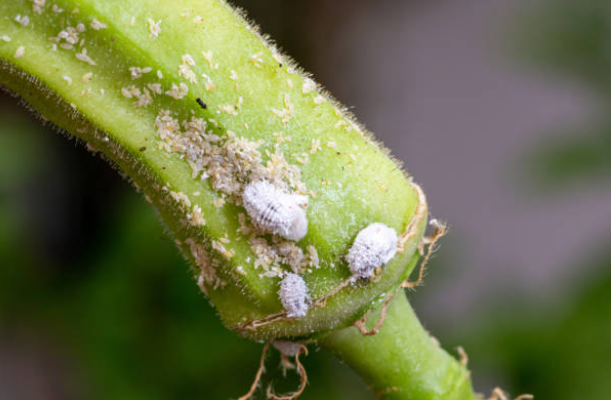
If you have ever examined your indoor or garden plants more closely and seen tiny white creatures moving among the leaves, you are not alone. These pests can cause worry, particularly if they seem to be multiplying quickly, and there is a valid reason for that. They are often harmful insects that can harm plants if not managed correctly.
White animals on plants: who are they and why?
So, who are these small white creatures on the plants? Usually, they are aphids, mites, or scale insects, all of which are known to be damaging to many ornamental and edible plants. These tiny pests consume plant sap, slowly weakening the plant’s structure, decreasing its capacity for photosynthesis, and frequently leaving behind a sticky honeydew that draws in additional issues.
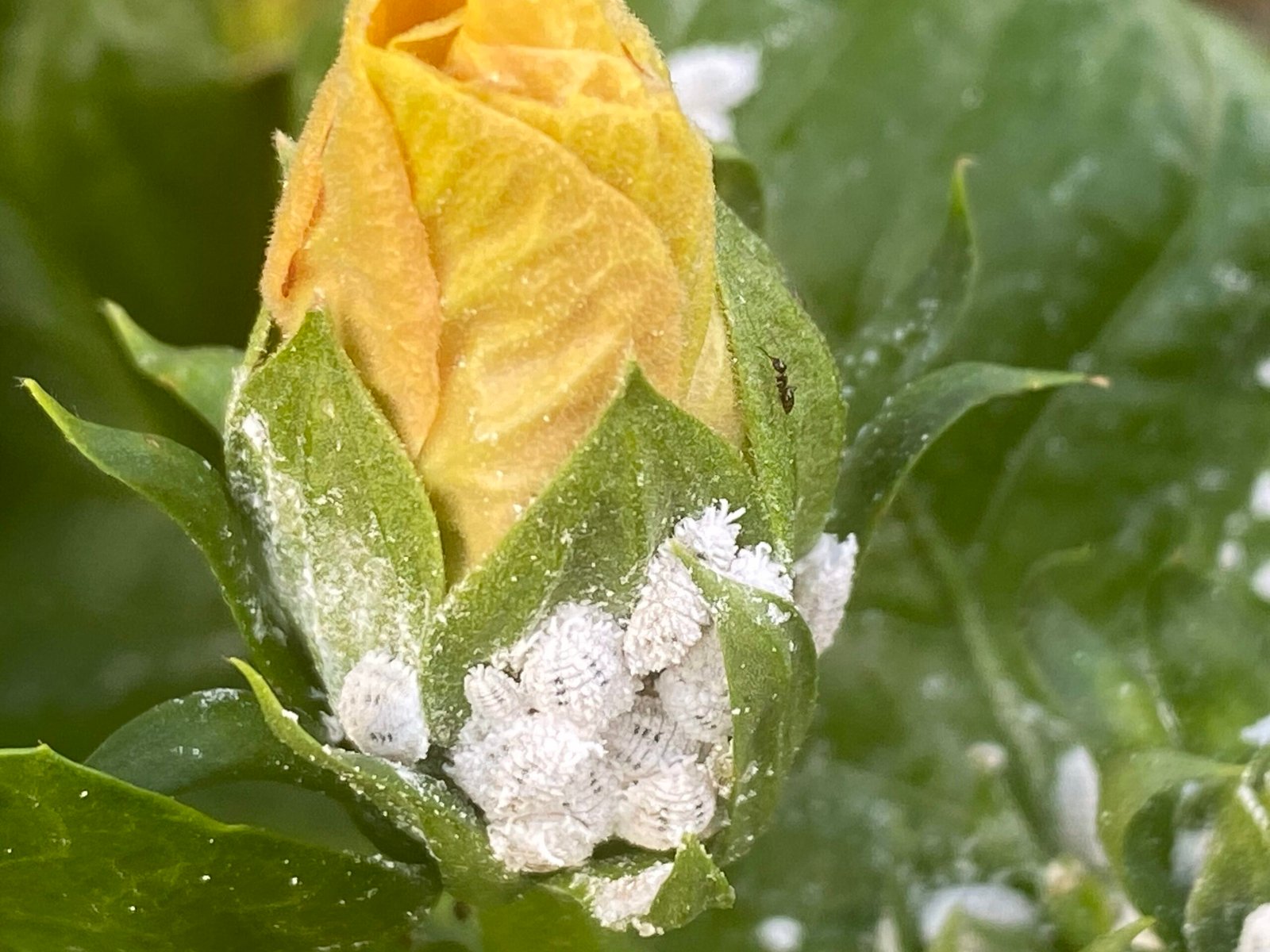
White spiders on plants: friends or enemies?
White spider mites, also known as mites, are among the most common culprits. Although their name suggests they are true spiders, they actually belong to the arachnid family. These tiny parasites can turn into a serious nightmare for your green friends, as they extract the essential juices from the plants, gradually weakening them. They may appear harmless at first, but over time, they can inflict significant damage.
How to spot them promptly
Identifying these tiny white insects on plants promptly is essential. Search for small white spots that look like grains of salt or dust moving on the undersides of leaves or among new growth. Another indicator is the appearance of small cobwebs between the leaves, which is a common sign of mite activity. Detecting the problem early can determine whether the plant remains healthy or begins to have difficulty surviving.
Main causes of white critters on plants
Uncovering the true causes of white animals appearing on plants is crucial for implementing appropriate countermeasures. The hot, dry climate provides perfect conditions for these parasites to thrive, particularly mites. Conversely, high humidity levels can encourage the development of scale insects. Additionally, poor ventilation resulting from plants being too close together creates a favorable environment for these tiny pests.
The importance of a balanced habitat
Balanced management of environmental conditions is essential to prevent many issues caused by these parasites. Inadequate care can actually make any plant more susceptible. Luckily, changing a few environmental factors can significantly lower the chances of infestations. Ensure your plants get enough natural light and proper ventilation. Keep plants spaced apart to reduce the spread of parasites from one to another.
Correct watering practices
It is simple to make errors when watering your plants, errors that may invite pests. The white insects are drawn to plants that are stressed by overwatering or underwatering. Ensure you keep a proper balance by watering consistently and letting the soil dry out between watering sessions. Soil that remains constantly soggy provides an ideal habitat for scale insect infestations, whereas overly dry soil might diminish the plant’s natural defenses against external threats.
Effective remedies against white animals
Now, let’s explore effective ways to handle these intruders once they have settled on your plants. While prevention is the most effective approach, there are various methods to eliminate an existing infestation.
Natural and do-it-yourself remedies
If you want natural ways to handle white critters on your plants, there are multiple options you can try. Neem oil, for instance, is a highly effective natural insecticide. Combine a few drops of Neem oil with water and spray the mixture directly onto the affected leaves. A solution of soap and water can also assist in managing the infestation. Applying a weekly spray of warm water mixed with gentle soap across the entire plant can successfully eliminate pests without damaging the plant.
Natural predators
Another effective remedy is to introduce natural predators that feed on parasites. Ladybugs, for example, are excellent allies in the garden, as they are ferocious predators of aphids and mites. Investing in these solutions may require an initial commitment, but it helps establish a natural balance in your green environment, limiting the proliferation of white animals on the plants.
Control and treatment strategies
A proper management strategy is essential for maintaining healthy, pest-free plants. Besides the natural remedies previously discussed, chemical solutions can be employed carefully when infestations become especially severe.
Responsible use of pesticides
Chemical pesticides can be employed, but they should truly be a last resort. It is crucial to choose particular products suited for the type of parasites you aim to combat and to carefully read the usage instructions. If not used properly, some products may harm your garden’s ecosystem, eliminating not just pests but also beneficial insects.
Regular plant maintenance
Prevention also involves regular maintenance and care of the plants. Frequently clean the leaves to eliminate dust and potential pest eggs. Proper pruning of plants aids in maintaining good air circulation and stops pests from settling. Keep in mind, a healthy plant is the primary defense against infestations.
Final thoughts
In conclusion, addressing the presence of white critters on plants demands patience, commitment, and careful observation. Remedies range from natural, homemade solutions to more aggressive methods, but achieving success consistently relies on preventative strategies and fostering a balanced, healthy environment for your plants. With proper care and vigilance, your plants will become lush again, prepared to grow free from parasite problems. Keep in mind, a healthy garden is not only visually appealing but also functions as a harmonious ecosystem in tune with nature.
Would you like to effectively protect your plants from pests and infestations? At the Le Georgics store, you will find natural and targeted products for your plants’ care. Click here to explore all the available options.