
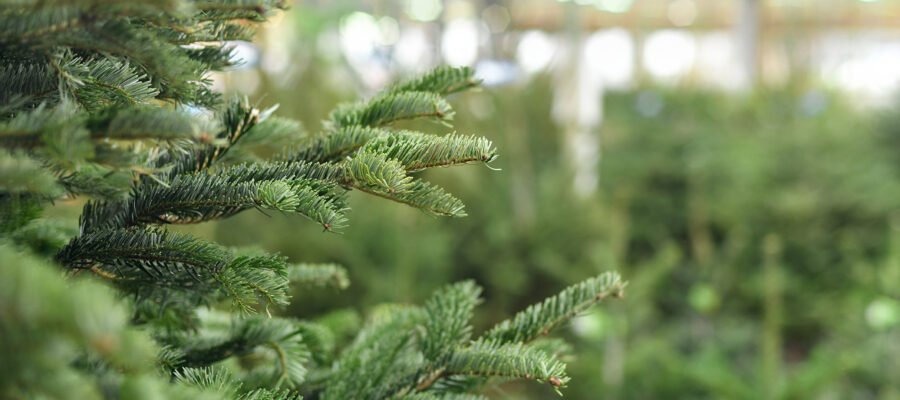
There is growing sensitivity around the use of Christmas trees which have been understood for too long as disposable plants.
The protagonist of this article is himself, the very famous and indispensable Christmas tree, naturally, the real tree, not the plastic one 😉
The most widespread species of Christmas tree in Italy is the spruce, Picea abies or Picea abies excelsa or the spruce. In the central-northern countries of Europe, Abies Normaniana and silver fir Abies Alba are much more popular, but it doesn’t matter that the rules for taking care of them do not change.
Today we will understand how this is possible give a long life to our Christmas treenot only so that it can best decorate homes during the holidays but so that it can continue to live even after.
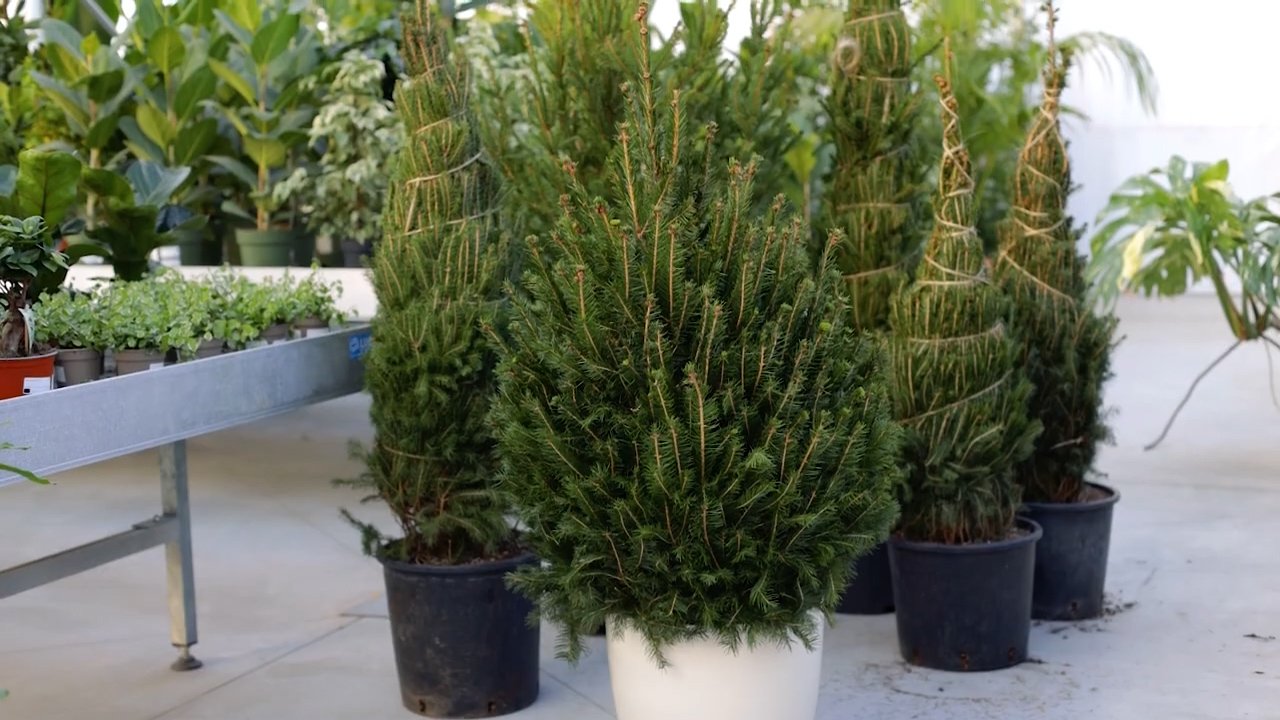
1. Choice of Picea abies “Excelsa” plant
In order to have a long-lasting Christmas tree it is essential to choose one plant with a good root systemit is therefore necessary to pay attention to the roots and avoid those specimens that have an excessively small clod of earth compared to the trunk.
Why do you find Christmas trees that don’t have an adequate root system? The issue is linked to the management of tree removal and it is necessary to specify that fortunately they are almost never taken from the woods but from fields in which they are specifically cultivated.
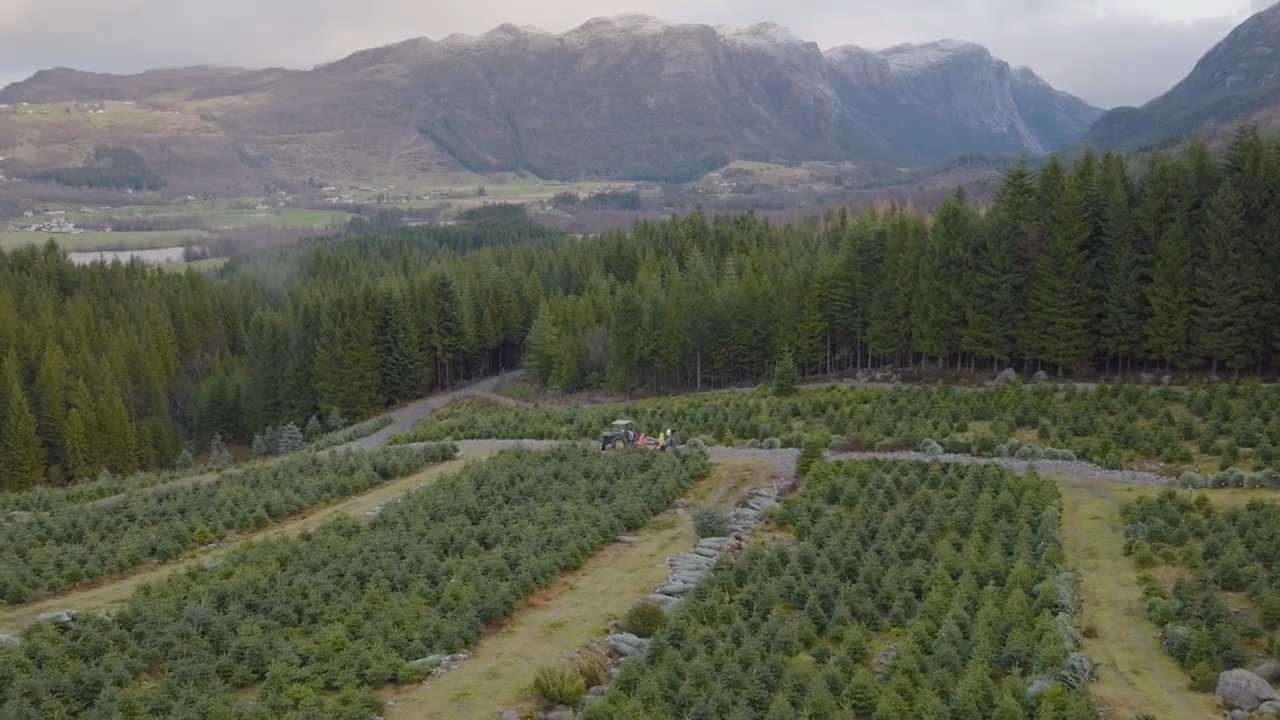
What is true is that too often Christmas fir trees are uprooted “by tearing” from the cultivation fields, depriving them of the root system or leaving it severely amputated. Fort
This involves purchasing a “disposable” product, impossible to reuse the following year.
Unfortunately, less frequently, Christmas trees are taken from the ground with correct rooting, because it is certainly a slower and more expensive process and therefore not convenient if you have to enter the market with an aggressive price. Even if, all things considered, having to buy a new tree every year isn’t that advantageous, either for the buyer or for nature.
Therefore it is good to always choose trees that have a plump and spherical root ball.
2. How to pot the Christmas tree?
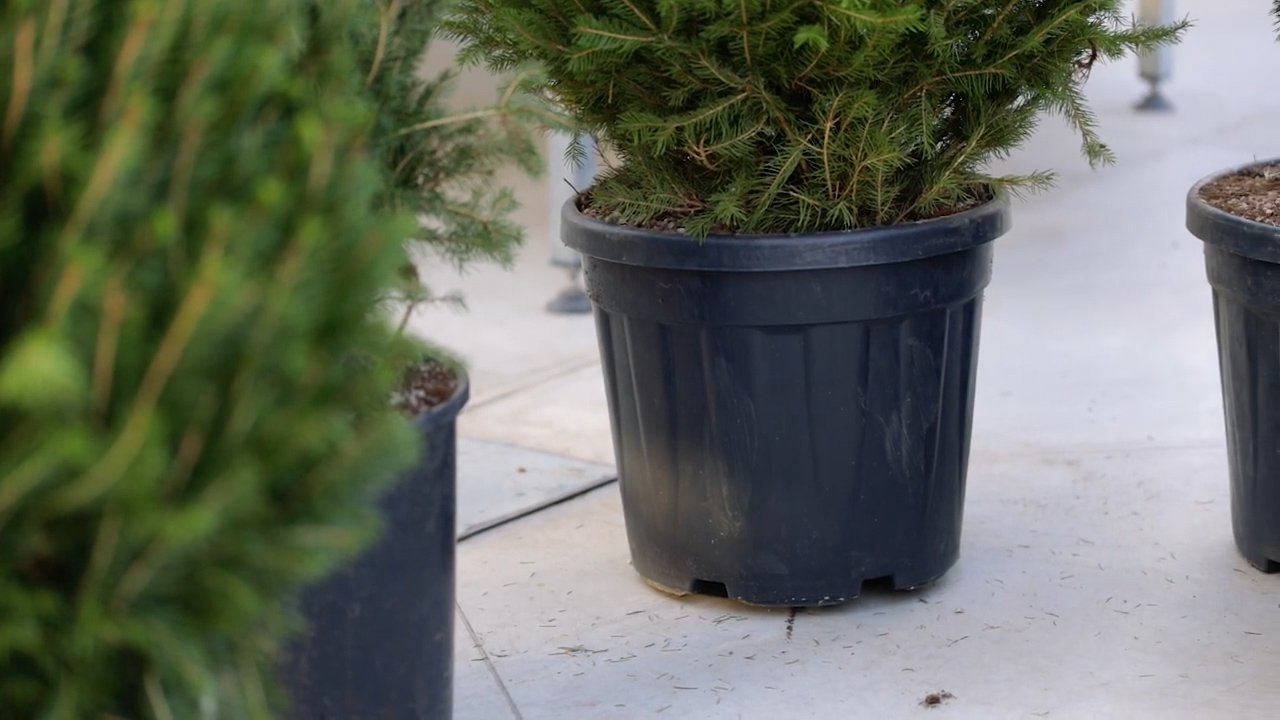
Here at Vivai le Georgiche we made the choice years ago to offer our customers only Christmas trees grown in Italy and managed so that they can thrive even after the holidays.
They are followed and cone-shaped throughout their development and we supply them to you rooted by professionals and already potted correctly.
At this point they are obviously not yet free from the pot and in fact it is recommended upon receiving the plant to check that it is well vertical and possibly gently move the root ball in the pot to settle it and return it to the correct position.
Normally, however, the plant purchased in the root ball may have a layer of earth held together by a mesh or net of some kind. It is a good idea to proceed with potting immediately by placing the Christmas tree in a vase not excessively largelet’s say 20-30 cm in diameter larger than the size of the root ball. Making sure you also have some space at the bottom for the new roots, possibly at least 15-20 cm.
However, removing the net that holds the clod is not necessary.
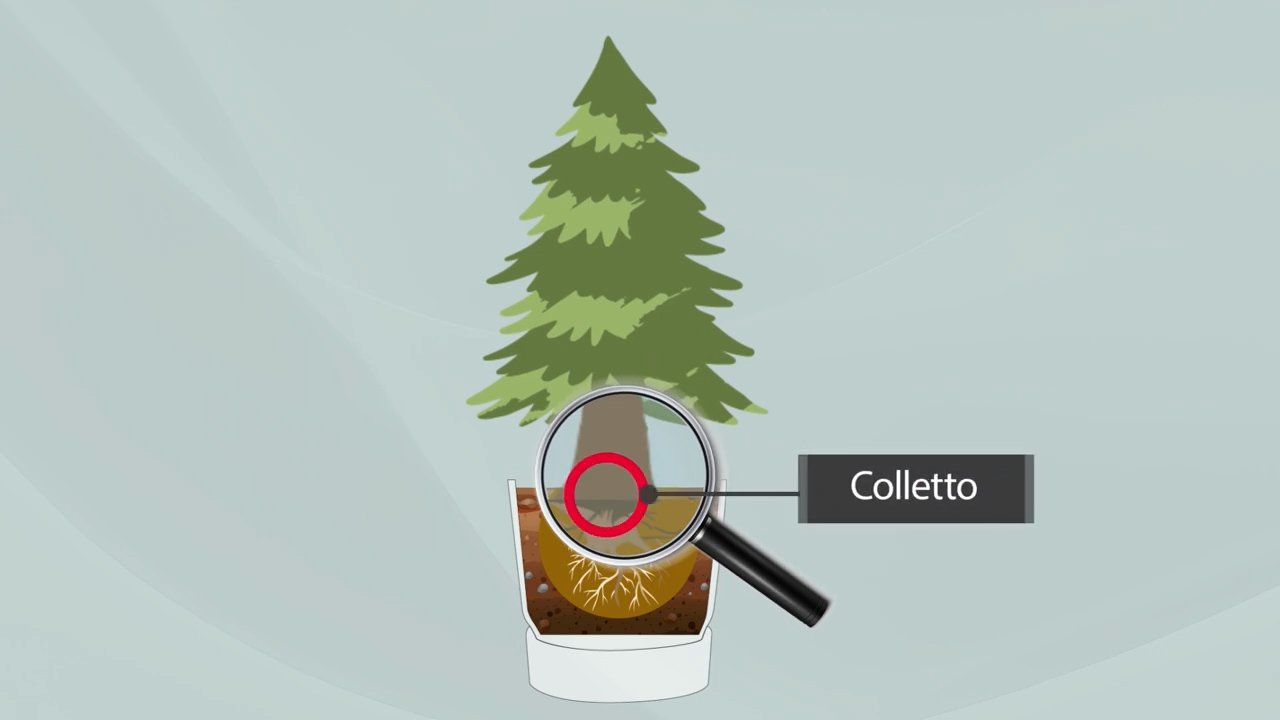
Once potted the tree must have the emerging collartherefore it means that the level of the earth must equal the upper end of the root ball and no more. It is better for the clod to emerge from the ground than the other way around.
Filling the pot completely is not a problem because with a few light shakes and the first wetting, the soil will sink and leave a little edge to facilitate future wetting.
It is also advisable to equip the plant with a saucer to collect drain water. Alternatively, it is possible to insert the cultivation pot into an aesthetic pot holder.
3. The ideal soil for the Christmas tree
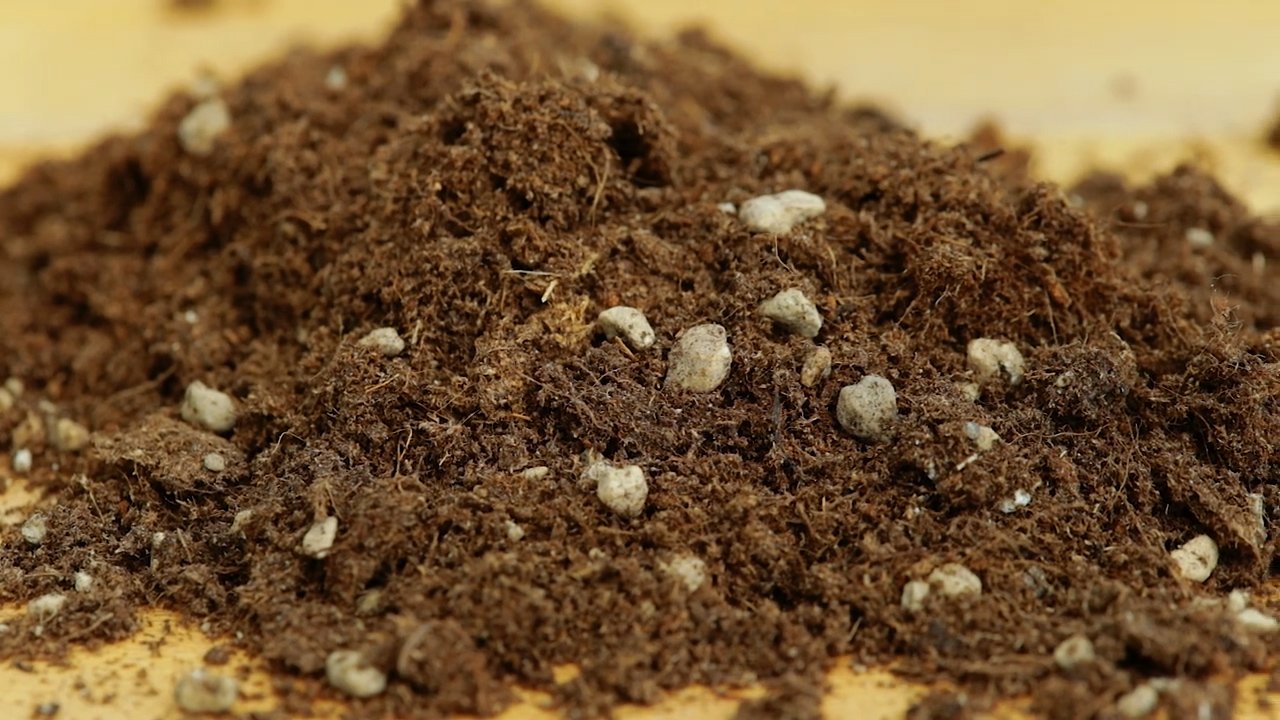
This is a very important aspect that deserves a point in its own right. It is essential to use a specific soil for potted plantswith coarse aggregates in the mix, pumice stone is ideal.
Our advice is to use a mycorrhizal soil such as One plus to facilitate root formation.
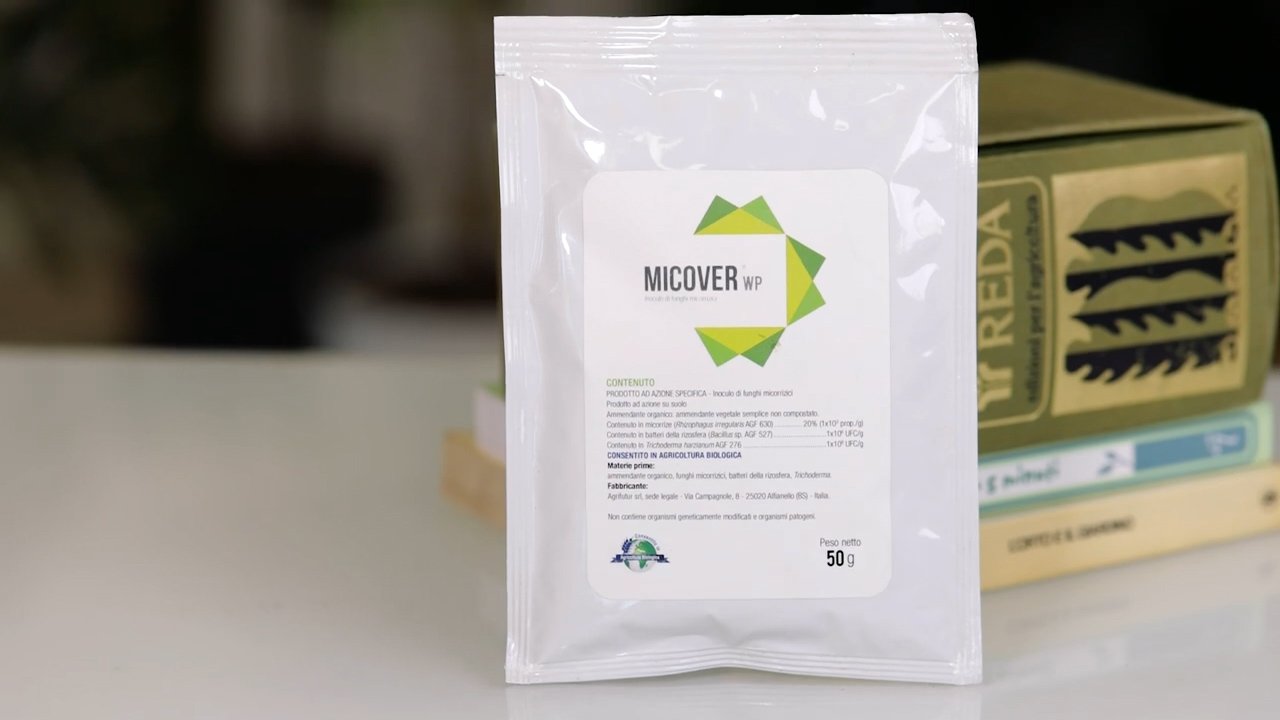
Alternatively, it is possible to add a preparation based on mycorrhizae and other useful microorganisms called Micover wp to the wetting water.
4. Temperature for the Christmas tree
They are trees that come from alpine climates and consequently they don’t like heat.
The ideal would be to place the fir tree outside: in the garden or under a porch but, having said that, it is able, for short periods (for example the Christmas holidays) to adapt to inside homes or other closed environments, with some precautions.
If you want to place it inside your home it is really essential to make sure, where possible, that there are no heat sources too close (radiators, fireplaces and stoves). Then, once the holidays are over, it is better to bring Picea abies “Excelsa” back outside.
5. When should you water the Christmas tree?
When the Christmas tree is placed outside the house, it is necessary to check that the ground is not exposed never dry in depth and possibly provide irrigation.
During any period in which Picea abies “Excelsa” will be placed indoors it must be wet frequentlyin particular if the house is equipped with underfloor heating.
It is also advisable daily hair steaming to keep it humid (these are plants coming from forests with a cold and humid climate). This is an important recommendation, as we have noticed it making a real difference.
In summer the soil must always be cool and moist.
6. Fertilize the Christmas tree
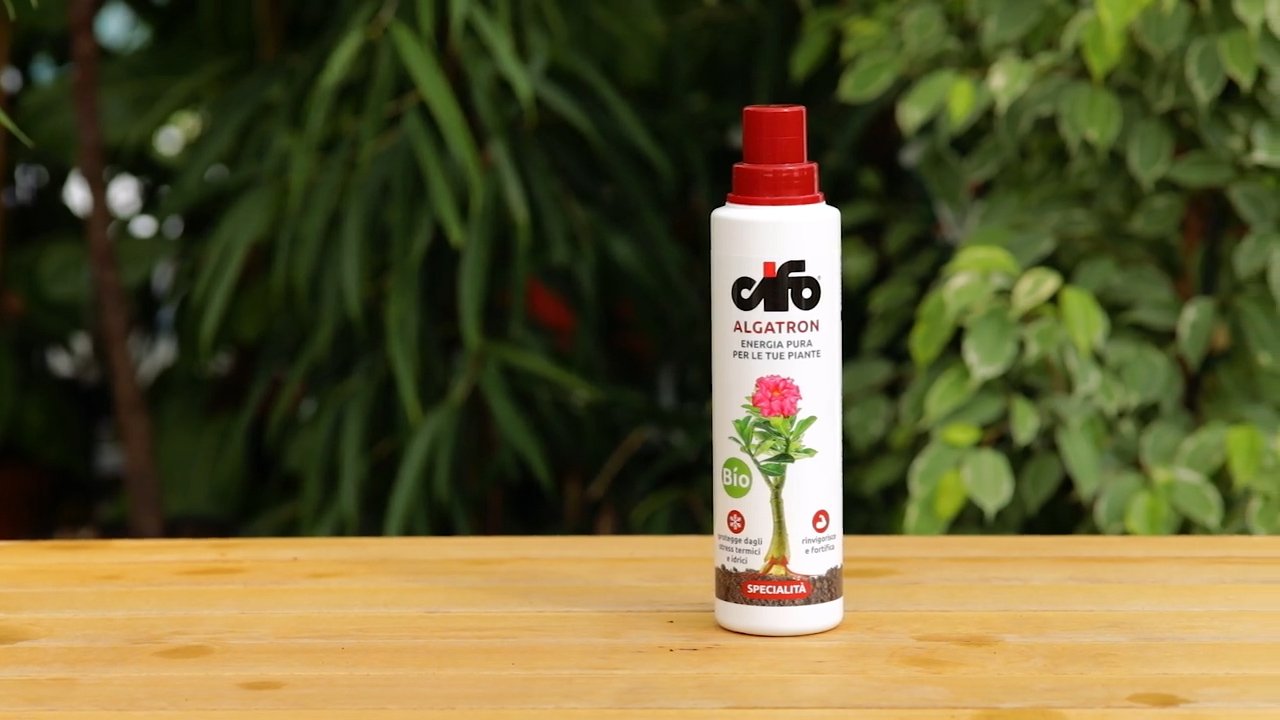
During the winter period and in particular while indoors and during the summer, it is possible to help the plant manage the discomfort by using Algatron, a biostimulant perfect for alleviating thermal stress (in this case the heat).
In the rest of the year, when the fir tree is outside, the advice is to use two products to provide nutritional mineral elements:
- Water-soluble fertilizer for hedges and green plants
it is water-soluble but can also be used as is on the ground or even by foliar application.
This product is also perfect for conifers, in fact we also talked about it in the Cycas article; - Granular fertilizer for green plants
another ideal product is the slow release for green plants, which should be given according to the labeled doses in March, June and September.
7. The Christmas tree after… Christmas!
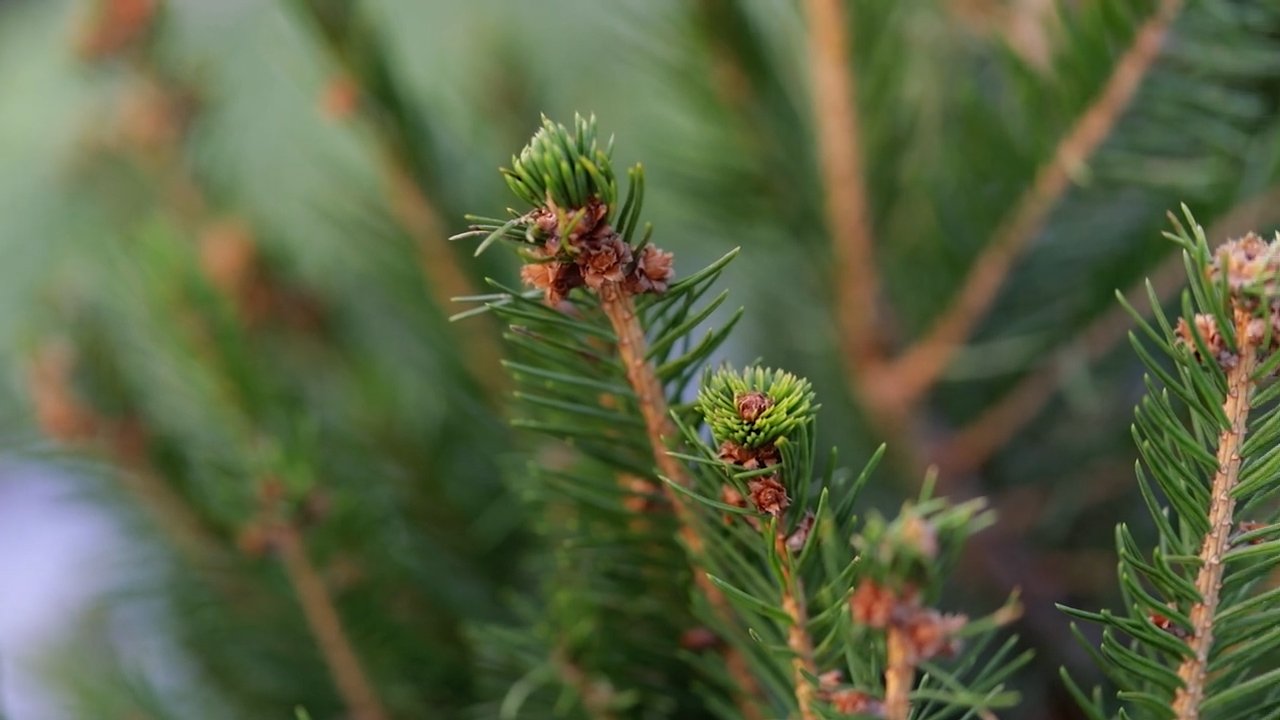
During the rest of the year it is possible to keep the fir in its pot or plant it in the open ground.
In both cases the tree it will develop properly (in pots it will tend to grow less and in any case always depending on the size of the pot itself).
In case you want to keep it in a vase, here is a very useful article written about it 😉
In general it is recommended to favor one point bright, fresh and ventilatedto ensure that the Christmas tree keeps its needles green and shiny.