
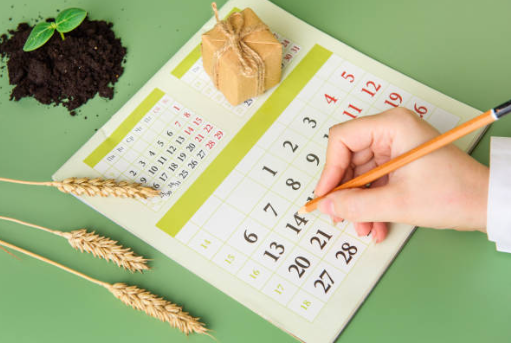
If you’ve ever dreamed of growing your own vegetable garden, you know how important it is to have a well-organized plant calendar. This tool is essential for producing lush crops that are rich in color and flavor, and it helps you plan what to plant and when. A well-structured horticultural calendar enables you to maximize each season, ensuring you have fresh vegetables and fruits nearly all year round. Imagine bringing a freshly picked salad to your table: the secret lies in the planning.
And garden calendar is not just a list of dates, but a true strategic guide that considers the climatic conditions, the needs of the plants, and the time you can devote to gardening. This is where the magic happens: observing your seedlings grow and turn into mature plants, prepared to provide you with abundant harvests.
Follow me on this journey to discover how to best plan your vegetable garden month by month, with practical advice and cultivation techniques!
Plant calendar: January and February
January: Preparation is crucial January is the month to prepare the garden, the heart of winter, which provides an excellent chance to plan your crops carefully. Although the cold days might feel unwelcoming, this is the perfect time to focus on planning your vegetable garden planting schedule and selecting the varieties to sow in the upcoming months.
Creating a sowing and harvesting calendar is crucial: understand the traits of your chosen aromatic and horticultural plants, identify the optimal sowing times, and consider the climate conditions. This approach allows you to maximize each season and guarantee fresh, healthy harvests throughout the year.
February: sowing begins
February is the ideal month to start sowing the first indoor vegetable plants. With the arrival of the first signs of spring, you can start growing tomatoes, peppers and aubergines in small pots, using quality soil and placing the containers in a well-lit place in the house.
This period is essential for laying the foundations of your vegetable garden: the seedlings grow protected from the cold and will be ready for the transplant into the garden or balcony as soon as temperatures rise. Correct planning of February sowing calendar it ensures healthy and lush crops in the following months.
Plant calendar: March and April
March: the awakening of nature
March is the month of the awakening of nature and the garden. As the days get longer, you can start moving them outdoors cold-resistant seedlingsCome lettuces, spinach and radishes. These crops are perfect to inaugurate the season and guarantee fresh harvests already in spring.
It’s also the ideal time to work the soil: incorporate compost or organic fertilizer to improve its fertility and prepare it for subsequent sowing. The March sowing calendar it marks the beginning of an exciting journey, in which you will see the first little leaves appear, you will see with what pride!
April: the actual start
April is the ideal month to directly plant vegetables into the soil. As the temperatures increase, you can sow carrots, peas, and beans along with numerous other varieties eager to be planted. At this point, the April vegetable plant calendar becomes your most helpful tool for planning sowing and transplanting.
Make sure to keep the soil adequately watered and monitor closely for initial indications of pests. Consistency and careful observation will lead to a thriving vegetable garden in a few weeks.
Your garden is beginning to form!
Plant calendar: May and June
May: the time for diversification
May is the month of variety in the garden. With the warmer weather, it’s the perfect time to plant tomatoes, peppers and courgettes directly into the ground. Following the May garden plants calendaryou will be able to diversify your crops and guarantee continuous and abundant production throughout the season.
In addition to vegetables, also aromatic plants Come basil and parsley they can be sown successfully, giving your garden a touch of vitality, scent and freshness. There crop diversification it is the key to obtaining a lush and well-balanced vegetable garden, capable of offering you rich and tasty harvests.
June: the garden in full swing
June is the month in which the garden enters the height of its activity. The plants begin to flower, i berries ripen and the vegetables grow vigorously, producing the first harvests of the season. At this stage, it is crucial check soil moisture and water regularly, especially in periods of drought.
Tamp carefully so as not to damage the surface roots and keep an eye out for any signs of diseases or pests in the garden. Constant care and correct maintenance will allow you to keep your vegetable garden healthy and productive throughout the summer, ensuring abundant, quality harvests.

Plant calendar: July and August
July is the month of great harvests in the garden. Juicy tomatoes, crunchy cucumbers and tapered courgettes are ready to be picked, bringing freshness and flavor straight to your table.
As you harvest seasonal vegetables, remember to consult the garden plants calendar for July: it’s the right time to start new sowings, like green beans and cabbagewhich will guarantee you abundant harvests in the autumn months.
At this stage, it is essential to monitor the presence of garden pests and dedicate yourself to regular maintenancewhich includes pruning climbing plants and removing weeds. With constant attention and attention to detail, your garden will stay healthy and productive all summer long.
August: sowing for autumn
August is the ideal month to get the garden ready for autumn crops. As summer comes to a close, you can begin the late sowing of spinach, rocket, and radishes—perfect vegetables to guarantee harvests during the cooler months.
Despite the summer sun, remember that watering must be regular and abundant, especially for new seedlings that need constantly moist soil to grow strong and healthy. August is also the right time to reflect on the past season and evaluate any changes to your planting scheme so as to improve results next year.
By taking these precautions with care and dedication, your vegetable garden will burst with colors and flavors, providing you with the satisfaction of seeing your gardening projects come to fruition. Always remember to consult the August vegetable plant calendar; it will be your ally in simplifying your life and planning each sowing in the most effective way.
Plant calendar: September and October
September: preparing for autumn
September is the month of transformations in the garden. As summer comes to an end, the garden plants calendar for September it becomes essential for organizing the latest harvests and starting the new autumn sowings.
It’s the right time to collect pumpkins and auberginesplant cabbage and chard and prepare the soil for winter crops. Spend time on cleaning the garden from plant residues and work the soil with del organic fertilizer to improve its structure and guarantee healthy and abundant harvests in the cold months.
With good planning and constant care, September marks the beginning of a new production phase that will bring vitality and flavor to your table even in autumn.
October: maintenance and planning
October marks a slowdown in the pace of the gardenbut it is a precious month to dedicate yourself to general maintenance and prepare the ground for the challenges of winter. Check the integrity of fencesput them back gardening tools and protect them delicate plants from the first frosts with suitable sheets or covers.
It’s also a great time to reflect on the season you just finished: write down what worked best and what aspects could be improved in yours October vegetable plant calendar. Planning ahead will allow you to face the next season with greater organization and more satisfactory results.
Plant calendar: November and December
November: protect and preserve
November is the month in which the vegetable garden needs special care to face the winter. At this stage, use mulches and covers to protect the most vulnerable plants from frost and ensure they resist the cold.
It’s also the ideal time to put the garden to rest: prune trees and shrubs, prepare flowerbeds and enrich the soil with organic fertilizers to encourage the next growing season. Remember that, even during the cold months, the soil needs attention to maintain its fertility and ensure renewed vigor for the resumption of activities.
December: planning and rest
December is the month of rest for the garden, but it also represents a key moment to reflect and plan the new season. Browse seed catalogues to discover new varieties and update your vegetable plant calendar for next year. Even though it is not sowing season, you can still take care of your garden by checking that the perennial plants are adequately protected and kept in order, and by maintaining gardening tools used in the past months.
In conclusion, following a sowing and harvesting calendar is a commitment that requires attention and dedication, but it pays off with incredible satisfaction. Each month presents unique opportunities and specific challenges, making gardening both challenging and rewarding. With passion and your trusty calendar, you are prepared to start a journey that will result in bountiful harvests and a stronger connection with nature.
In our store The Georgics, you can find seeds, seedlings, soil, and accessories for the garden, everything you need to better organize your crops month after month. Explore our selection and begin planning your vegetable garden for the upcoming year.