
Succulents are everywhere…aren’t they incredibly charming? With their unique shapes and ability to survive in dry environments, these wonders of nature are taking over more and more space in our homes and gardens. But have you ever wondered how to better grow succulents? Or, when to plant them to maximize their growth? Then you’ve come to the right place. Whether you’re a gardening novice or a seasoned pro, you’ll find everything you need to successfully grow succulents here.
How to Plant Succulents: Preparation is the key
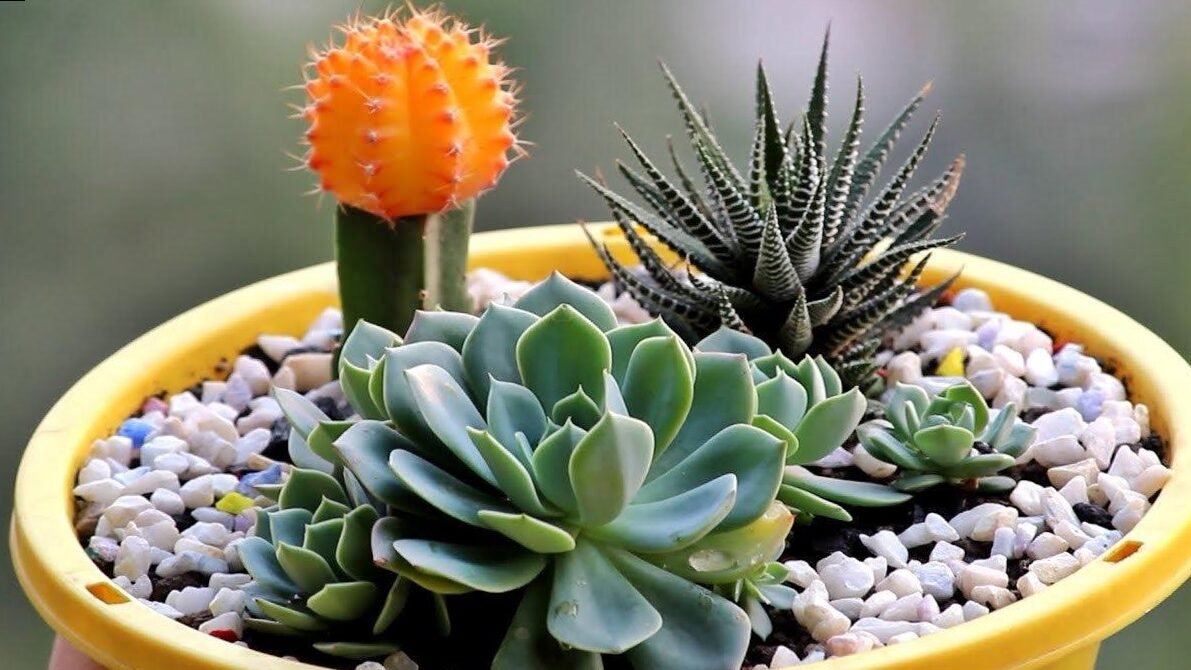
When it comes to planting succulents, soil preparation is key. These plants like well-drained soil, so the first thing you’ll need to do is make sure the substrate doesn’t hold too much moisture. An ideal mix may include one part succulent soil, one part coarse sand and one part perlite. This will ensure that the roots are never immersed in water, thus avoiding the dreaded root rot.
Material needed:
- Soil for cacti and succulents
- Coarse sand
- Pearlite
- Pots with drainage holes
When to plant succulents: the right time
Have you ever wondered when to plant succulents? Timing is critical for these tough but delicate plants. Generally, the best time to plant succulents is spring or early summer. In these months, in fact, the temperatures are milder and the sunlight more intense, ideal conditions for growth. However, if you live in a particularly warm climate, you may want to opt for autumn. In any case, avoid planting during the winter as cold and low light can slow growth.
Succulent plants: how to plant them correctly
Once you’ve prepared your potting soil, it’s time to plant. Follow these simple steps:
- Choose the right vase: Succulents don’t require large spaces, but a nice pot with a good drainage system is essential.
- Filling the jar: Pour the prepared mix of soil, sand and perlite into the vase, leaving about 2 cm from the top edge.
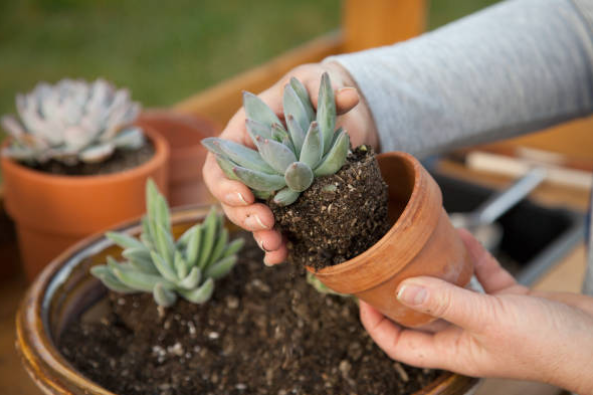
- Position the plant: Gently remove the plant from its original pot, lightly shaking the old soil away from the roots. Place the plant in the center of the new pot.
- Add the soil: Fill the pot with the rest of the soil, making sure the plant is stable and well positioned.
- Water sparingly: After planting, water the plant lightly. Afterwards, water only when the soil is completely dry.
By following these simple steps on how to plant succulents, you should have no problem growing a healthy, thriving plant. In the next part of the article, we will explore the care and maintenance of succulents, to ensure they continue to thrive and beautify your green space.
Care and maintenance of succulents
Now that you have planted your succulents, how can you take care of them so that they grow at their best? Surprisingly, these charming plants require less maintenance than you might think. However, knowing their specific needs is crucial to keeping your plants thriving and healthy.
Watering: Less is more
One of the first rules when dealing with succulents is: less water is better. These plants are native to arid areas and are used to surviving with little water. Therefore, be sure to water only when the soil is completely dry. A good trick is to water until the water comes out of the pot’s drainage holes, then let the soil dry out completely before the next watering.
Sunlight: a precious ally
Succulents love light, so be sure to place them in a well-lit location. Most succulents require at least 6 hours of sunlight per day. If you grow them indoors, place them near a window that receives plenty of natural light. In the warmer months, you can also take them outdoors, but be careful not to expose them to too strong sun suddenly, as they may burn.
Fertilization: feed in moderation
Even though succulents are not particularly demanding, a small amount of fertilizer can work wonders. Use a succulent-specific fertilizer once or twice during the growing season, in spring or early summer. Be careful not to overdo it, as too much fertilizer can damage the roots.
Common problems and solutions
Like any gardening endeavor, growing succulents can present challenges. Here are some common problems and how to deal with them:
- Root rot: Caused by excessive watering. Make sure the soil is well drained and that watering is appropriate.
- Elongated stems: Signs of lack of light. Move the plant to a brighter location.
- Slow growth: It could indicate either a lack of light or a lack of nutrients. Make sure they get enough sun and consider using a specific fertilizer.
In conclusion
Growing and caring for succulents is a joyful experience. Their resilience makes them easy to care for, even for beginners. With just a little attention, your succulents will not only survive but thrive, adding beauty and tranquility to your home. Whether on a windowsill or in a desert garden, succulents will reward you with their unique and enduring beauty.
From now on, wherever you go, you’ll be tempted to bring home new varieties of these amazing plants.
Want to create the perfect succulent corner? At Le Georgiche, you can find everything you need to grow and care for succulents: well-draining soil, pots with drainage holes, and specialized fertilizers to promote healthy and long-lasting growth.