

With winter temperatures plummeting, protecting your beloved plants from the cold is probably your first thought. Frost can cause significant damage, even death, to many plants, especially without proper precautions. That’s where we come in: we offer effective tips and strategies to help you protect your plants from frost and ensure your greenery stays healthy and vibrant throughout the winter. It’s never too early to prepare for winter!
Why it is important to cover plants from frost
Plants are delicate structures that respond to climate change just like us. When temperatures drop below freezing, water in plant tissues can freeze, causing irreversible cell damage. Leaves, flowers and even roots can be negatively affected by frost. This is not only an aesthetic problem, but can drastically reduce the vitality of the plant.
Which plants need protection from frost
Not all plants are equally vulnerable to frost. Tropical varieties and those more sensitive to cold require particular attention. Common examples include succulents, citrus fruits, and some annual ornamentals. Young tree plants, with shallow roots, could also benefit from extra protection.
Materials and techniques for covering plants
Use of non-woven fabric (TNT)
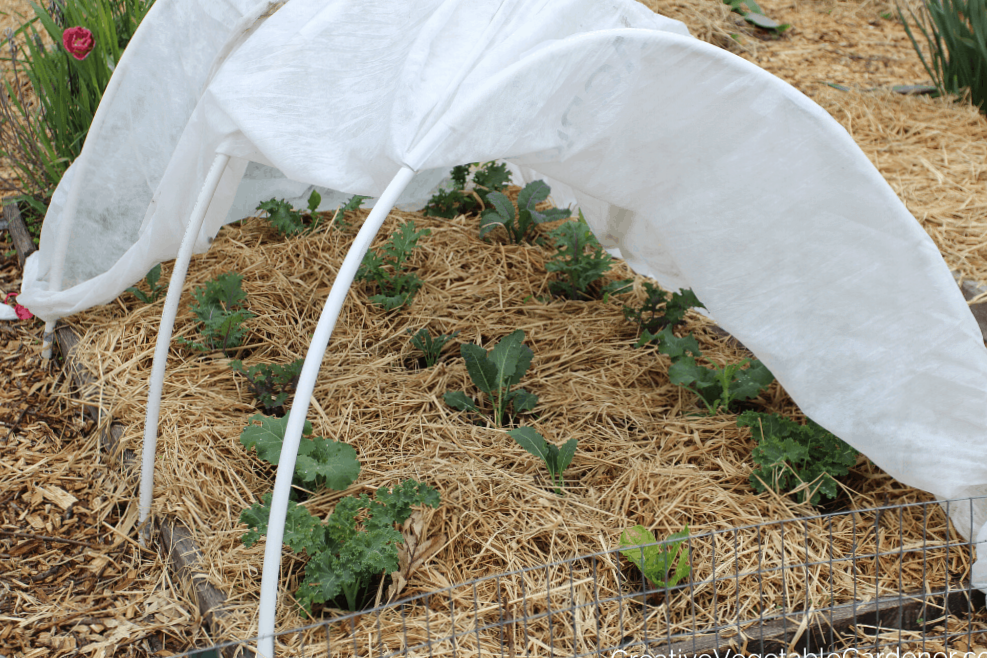
One of the simplest and most popular methods of protecting plants is using non-woven fabric. This lightweight but effective material offers optimal shelter while maintaining a warm microclimate around the plant. It is breathable, which prevents moisture condensation and subsequent mold damage.
Plastic blankets and canvases
Another common method is the use of plastic blankets. However, you need to use them with care, as they can retain excessive moisture. Instead, canvas is ideal, as it offers good protection without hindering ventilation too much.
Bells and glass covers
For smaller plants, glass or plastic bells offer effective protection. They treat the plant like a mini greenhouse, storing solar heat during the day and slowly releasing it at night.
How to correctly position covers
The effectiveness of the coverage also depends on how it is positioned. Here are some tips for optimal protection:
- Total coverage: Make sure the cover reaches all the way to the ground to retain heat and also protect the roots.
- Secure the corners: Use rocks or weights to prevent the wind from lifting the cover.
- Morning removal: Remove the cover in the morning to allow the plant to receive sunlight and prevent excessive humidity.
Stay tuned to discover more practical details and advanced strategies on how to protect your plants from frost in the second part of this article!
Additional strategies for protecting plants from frost
Mulch: a natural barrier
Mulching is another excellent way to protect plant roots from the cold. By using natural materials such as straw, dry leaves or bark you can create an insulating barrier around the base of the plant. This extra layer of protection helps maintain heat in the soil, reducing the risk of frost penetrating and damaging delicate roots.
Mini greenhouses and tunnels
If you have a medium or large sized garden, considering the installation of mini greenhouses or tunnels could be an effective solution to deal with the rigors of winter. These structures, easily accessible and mountable, can cover entire rows of plants, creating a protected microclimate. They are ideal for vegetable gardens or small-scale cultivation and offer constant protection from harsh temperatures.
Plant location considerations
An often overlooked factor is the location of the plants within the garden. Plants located near walls or fences can benefit from natural shelter from cold winds. Additionally, during the winter, considering moving potted plants to more sheltered areas, such as greenhouses or porches, can make a big difference.
Mistakes to avoid when covering plants
- Late coverage: One of the most common mistakes is waiting until the last minute to cover the plants. It’s important to be proactive and prepare your garden before temperatures drop dramatically.
- Excessive use of plastic: Although plastic may seem like a quick and easy option, incorrect use can lead to condensation that damages plants. Prefer breathable materials.
Continuous monitoring
Don’t forget that covering plants from frost is not a “one-off” intervention. It is important to constantly monitor the weather conditions and the state of your protections. Making sure covers stay in place and no stagnant moisture builds up is critical to the long-term success of your plants.
Conclusion
Protecting plants from frost may seem daunting at first glance, but with the right methods and planning, you can ensure your garden survives the winter. Remember: preparation and vigilance are crucial. Good frost protection not only helps plants survive but also prepares them for optimal growth in the spring. Follow these tips, and you can enjoy the beauty of your garden for the coming months, no matter how cold it is outside!
Prepare your plants for winter with the right protection! At Le Georgiche, you can find frost cloths, mulches, and a variety of accessories ideal for protecting your garden from the cold and keeping it lush and green year-round.