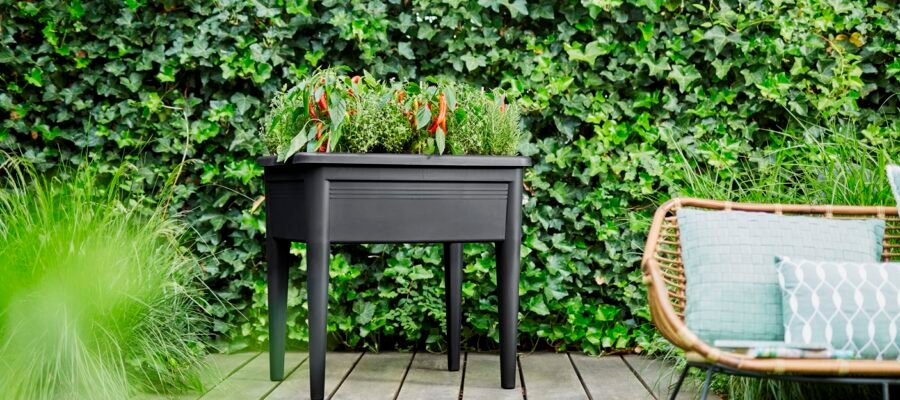
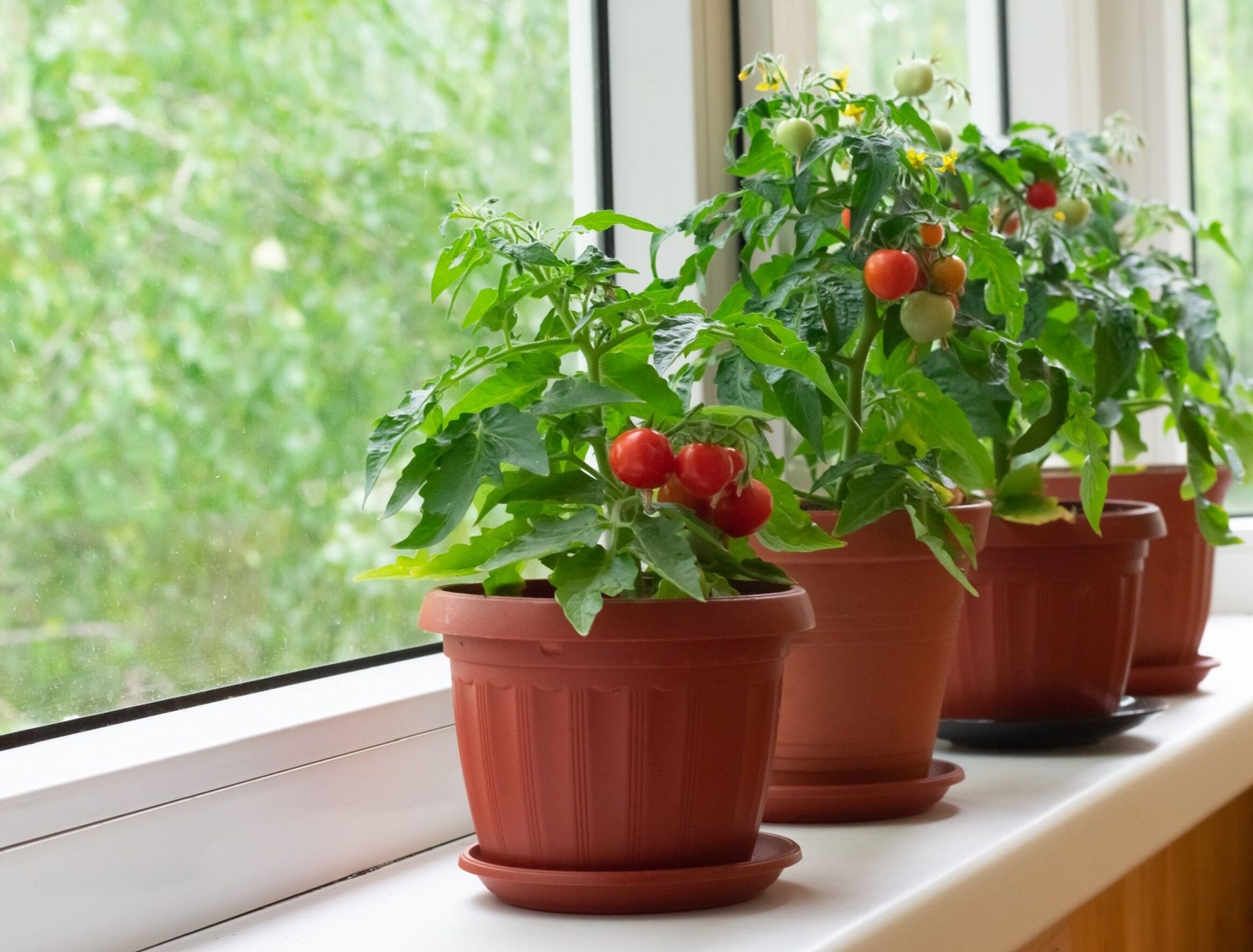
You don’t need a dedicated garden to grow vegetables. You can grow them in vases on your patio or on a simple windowsill: the only limitation is the size of the space.
Basic Rules
The basic needs of all plants are almost identical: light for photosynthesis, warmth for growth, water to sustain life, and nutrients to complete their life cycle. Some plants also require ventilation and humidity.
If natural light is insufficient, artificial light can be added. However, sunlight is crucial for the full maturity of some plants (such as tomatoes and peppers).
If your patio or balcony is too exposed to the elements, purchasing plant protection netting is key to a successful harvest.
Hygiene is also important: always buy high-quality seeds, soil, and plants, and reuse old but absolutely clean pots if necessary.
The soil must be changed every season. If pests appear, it is recommended to act quickly: fresh soapy water is an effective, and often best, method for controlling most minor pests.
Seedlings or Seeds?
Starting in the spring, you can find high-quality seedlings at all garden centers: tomatoes, peppers, eggplants, zucchini, cucumbers, green beans, and more. However, information about the final size of the plant is usually not provided. To ensure you get the plant you want, it’s recommended to start with seeds: while seed kits don’t guarantee 100% germination, commercially available seeds are strictly regulated by law, resulting in high germination rates.
Furthermore, seed kits contain all the information needed to grow the corresponding vegetable.
F1 Hybrid Seeds
Some more expensive seed kits are available, usually containing only a small quantity of seeds. F1 hybrid seeds are first-generation seed varieties, created by crossing two plants. These hybrids are not naturally occurring: they are selected in a laboratory to produce higher-yielding, more uniform varieties, and are generally suitable for growing in small spaces.
Vegetable Growing Containers
Any container is suitable for growing vegetables, as long as it has drainage holes and provides sufficient support for the plant roots. Smaller containers require more frequent watering and fertilization and are less stable for some larger vegetables: generally, the container diameter should be at least 23 cm.
Hanging baskets are a good option, especially for growing dwarf cherry tomatoes; utilizing vertical walls is also a good method.
Which vegetables should I grow?
Given limited space, I recommend starting with a few vegetables you’re sure to enjoy. Beginners often start with tomatoes, and after some initial success, try more challenging varieties. Indoor seedlings take longer to grow, so sow seeds a month before the planting season begins. Season is also important: growing winter vegetables in pots requires time and effort.
Tomatoes, eggplants, beets, broad beans, green beans, zucchini, carrots, watercress, cucumbers, radishes, peppers, potatoes, and onions are all suitable for pot growing. Each vegetable has its unique growing needs: please pay attention to the tips above and the instructions on the packaging. Practice makes perfect!
Conclusion
Successful plant growth is not the result of luck, but of understanding and consistently meeting a few essential needs. As outlined, all plants rely on a balanced combination of light, warmth, water, nutrients, and, in some cases, proper ventilation and humidity. When these elements are provided in harmony, plants can thrive and complete their life cycle in a healthy and productive way.
Light plays a particularly vital role, as it fuels photosynthesis, the process that allows plants to produce energy. While artificial lighting can supplement natural conditions, sunlight remains irreplaceable for certain crops such as tomatoes and peppers, which require strong, direct exposure to reach full maturity. Evaluating the amount of light available in your space is therefore one of the first steps toward a successful harvest.
Environmental protection is equally important. Patios and balconies that are overly exposed to wind, intense sun, or heavy rain can negatively affect plant development. Installing plant protection netting creates a safer microclimate, reducing stress and promoting steady growth. Small preventative measures like this can significantly increase yield and plant resilience.
Hygiene and quality materials form the foundation of long-term gardening success. Investing in high-quality seeds, nutrient-rich soil, and healthy starter plants reduces the risk of disease and poor performance. Reusing pots is perfectly acceptable, provided they are thoroughly cleaned to prevent contamination. Additionally, refreshing the soil each season replenishes nutrients and prevents the buildup of pathogens.
Finally, vigilance is key. Addressing pests immediately with simple solutions like fresh soapy water can prevent minor issues from becoming serious infestations. By maintaining attention, cleanliness, and balance, gardeners can create an environment where plants not only survive but truly flourish.