
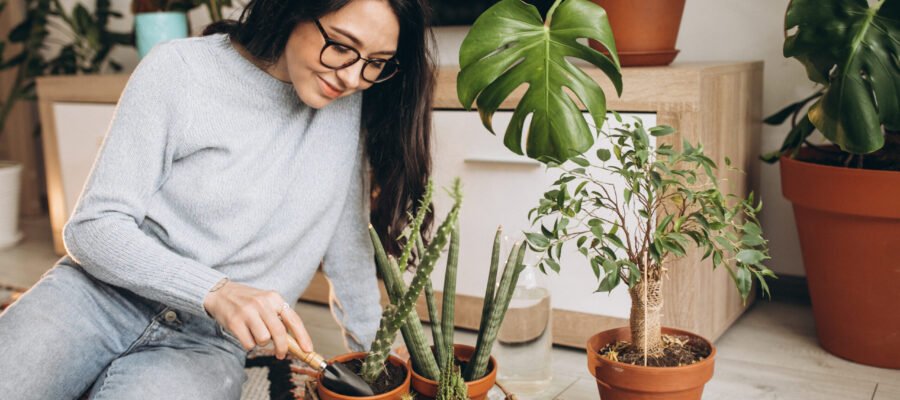
Growing plants at home is a wonderful adventure that offers countless benefits, both for the home environment and for personal well-being. Setting up a small indoor garden is a rewarding hobby that can transform your space into a green oasis, improve air quality and even reduce stress. Before you dive into this journey, though, there are a few things you need to know to be successful. Don’t worry, this article will guide you through the essential points for growing plants at home safely and happily.
The advantages of growing plants at home
Growing plants at home is not just a question of aesthetics. Plants improve air quality by producing oxygen and absorbing carbon dioxide and pollutants. This makes the air in your apartment healthier to breathe. Furthermore, it has been shown that the presence of plants can reduce stress, increase concentration and even improve mood. In short, plants are silent but effective companions for your daily well-being.
How to choose the right plants
One of the first decisions you need to make is which plants to grow indoors. Not all plants are suitable for indoor environments. Some need direct sunlight, while others thrive in shade. Here are some great options to get you started:
- Pothos: Easy to grow and very resistant, pothos is perfect for those who don’t have a green thumb.
- Fig: Requires a little more attention, but is great for adding a touch of lush greenery.
- Sansevieria: Also known as “mother-in-law’s tongue,” it is a plant that purifies the air and requires little maintenance.
Choose plants that adapt to the light and climatic conditions of your home; this way, you can enjoy the greenery without too many worries.
Considerations on light and space
Each plant has specific light needs. Some thrive in direct sunlight, while others need filtered light or shade. Before you buy your plants, look at how much natural light each room in your home receives. South-facing windows offer the brightest light, while north-facing windows are more shaded. Make sure you position your plants so they receive the right amount of light to thrive.
Also, consider the available space. Climbing plants like ivy can grow upwards and adorn shelves and stands, while compact plants like cacti are ideal for small spaces.
Caring for plants at home: basic advice
Each plant has specific needs to take into account. Soil, watering and fertilizing are all crucial to the healthy growth of your houseplants. Opt for well-draining soil and check soil moisture regularly. Remember that many plants prefer less but regular watering, rather than copious amounts of water all at once. Finally, using a balanced fertilizer can help ensure your plants are getting all the nutrients they need.
Address common problems in growing plants indoors
Growing plants indoors can present some challenges, but fear not: with a little care and knowledge, most problems can be easily solved. One of the most common problems is the presence of parasites such as aphids and midges. A good ventilation system and the use of natural remedies, such as essential oils or insecticidal soaps, can keep these pesky creatures under control.
Other problems might include yellowing leaves, often caused by excessive or inadequate watering, and poor growth, which can result from a lack of nutrients or light. Be sure to regularly monitor the condition of your plants to intervene promptly when necessary.
Explore exotic options
Once you feel comfortable with the more common, easy-to-grow plants, you may want to experiment with some more exotic varieties. Orchids, ficus bonsai or even carnivorous plants can add a unique and charming element to your collection. These plants generally require a little more care and attention, but the end result can be extremely rewarding.
Essential tools for growing plants at home
To make growing plants at home easier, it is useful to have some basic tools. Here is a list of what you might need:
- Watering can with long spout: Perfect for precisely watering even the most difficult to reach plants.
- Pruning shears: Useful for removing dead or damaged leaves, promoting healthy growth.
- Gardening gloves: Protect your hands when handling soil and plants.
- Sprayer: Essential for moistening the leaves of tropical plants that require high humidity.
- Specific fertilizers: They help provide the nutrients necessary for optimal growth.
Create an enchanting green corner
A fascinating aspect of growing plants at home is being able to create your own personal green corner, which reflects your style and personality. Use pots of different shapes and colors, hang plants in baskets or place shelves to arrange your plants on different levels. Using LED plant lights can help you grow even in dimly lit rooms.
Awareness and patience
Finally, the most important advice is to always approach with patience and awareness. Caring for plants takes time and dedication, but the rewards in terms of serenity and beauty are unparalleled. Don’t be discouraged if something doesn’t go as expected at first: every experience is an opportunity to learn and improve your skills.
We hope these tips have inspired and guided you on your journey to discover the wonders of growing plants at home. May your inner green space grow lush and bring joy and serenity to your daily life!
Discover a wide selection of indoor plants perfect for your green corner on Le Georgiche: choose the varieties best suited to your home and bring your natural space to life with a click.