
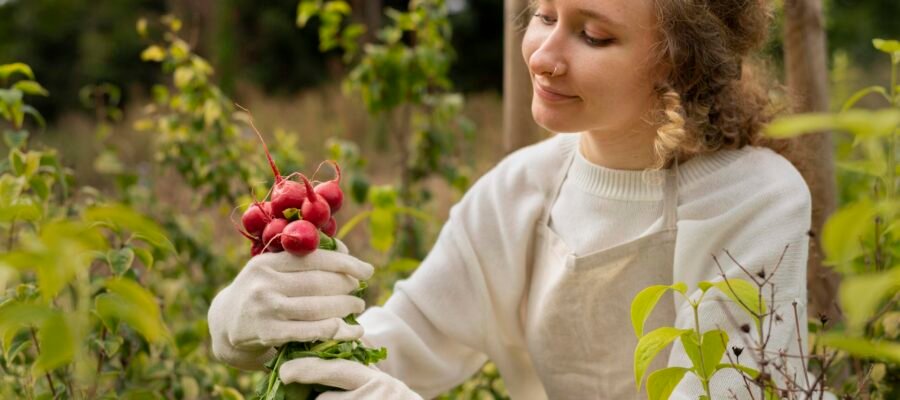
Growing fruit trees is an ancient art that allows us to connect directly with nature and enjoy its most delicious fruits. Imagine waking up in the morning, looking out the window, and seeing a garden full of fruit trees, ready to provide you with a natural and healthy breakfast. Sounds like a dream, doesn’t it? But it’s much easier to achieve than you think. With a little patience, love, and some basic knowledge, you can create your own orchard and harvest the fruits you love. In this article, I will show you the most important steps in growing fruit trees in your own garden and provide some practical tips and information you may never have considered.
The Benefits of Growing Fruit Plants
Growing fruit plants is not only an enjoyable hobby, but also offers numerous benefits. First of all, it allows you to eat fresh, organic fruit, reducing the need to buy chemically treated products. Additionally, having a garden full of fruit plants can significantly improve the look of your outdoor space, creating a natural and rejuvenating environment. Let’s not forget that growing plants stimulates creativity, reduces stress and can even increase the value of your property.
Choosing the Right Fruit Plants
Climatic Considerations
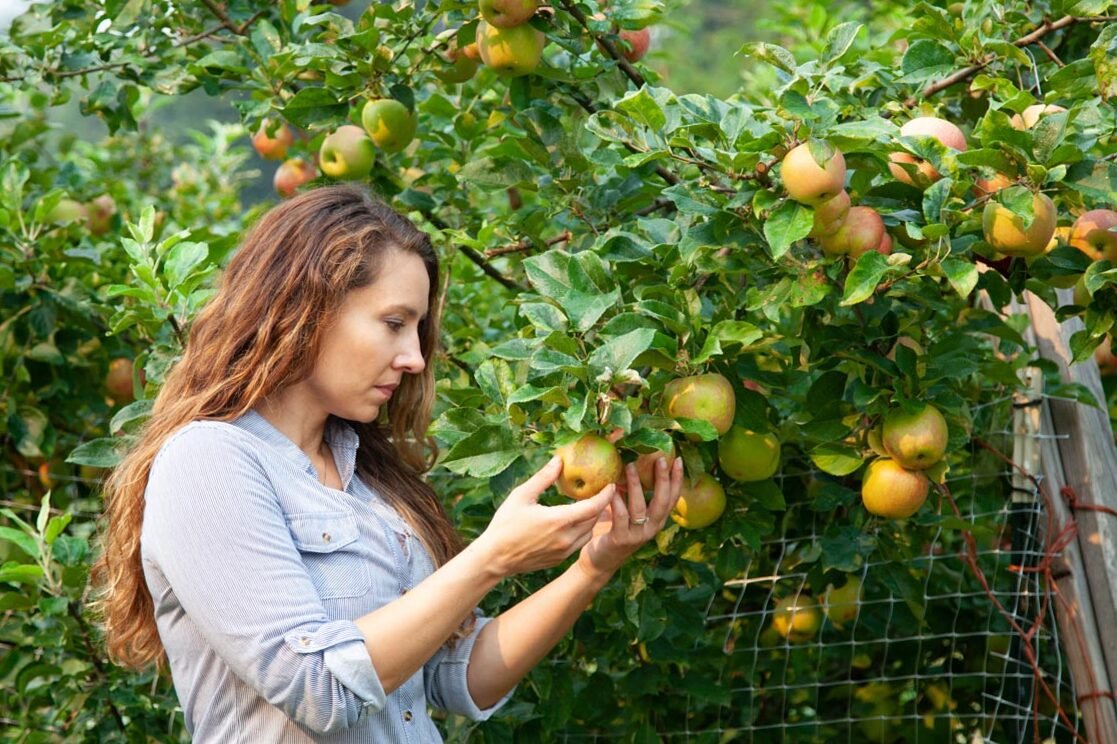
The choice of fruit plants depends greatly on the climate of your area. Some plants, such as citrus fruits, prefer warm climates, while others, such as apple and pear trees, can thrive in colder areas. It is important to know the microclimate of your garden, considering factors such as the amount of sun, wind and soil type.
Types of Fruit Plants
When it comes to fruit plants, the variety is truly vast. You can opt for traditional trees such as apples, pears and peaches, or experiment with exotic fruits such as kiwis or avocados. Each plant has its own unique care needs, so it’s essential to start with the ones that best suit your environment and experience level.
Land Preparation
Soil Analysis and Care
Another crucial step in growing fruit plants is soil preparation. Well-drained, nutrient-rich soil is essential for healthy plant growth. It is advisable to carry out a soil analysis to understand its pH and nutrient deficiencies, so that you can effectively correct them. Adding compost and other soil improvers can significantly improve soil fertility.
Space Planning
Be sure to plan the space in your garden carefully. Fruit plants need space to grow and develop properly, so calculate adequate distances between one tree and another. Also consider access to sunlight, as most fruiting plants require at least six hours of direct light per day to produce quality fruit.
The Planting of Fruit Plants
The Right Time to Plant
Once you’ve chosen the types of fruit plants you want to grow and properly prepared the soil, it’s time to plant. The best season for planting fruit plants varies according to the species. In general, spring is ideal for most orchards, as long as the weather is moderate and there is no risk of late frost.
Planting techniques
When planting, make sure the roots are spread out and covered with soil evenly. It is essential to plant at the right depth, being careful not to bury the collar of the plant, the area where the trunk meets the root. After planting, water thoroughly to eliminate any air pockets in the soil and help the roots establish.
Care and Maintenance of Fruit Plants
Adequate watering
Fruit plants require ongoing care to thrive. Watering is essential, especially during the warmer summer months. It is important to avoid both deficiency and excess water; therefore, a correct balance must be found based on the type of plant and climatic conditions.
Pruning and Fertilizing
Pruning is another critical aspect of fruit tree maintenance. It helps maintain proper shape, promotes growth and improves fruit quality. Each plant has specific needs regarding pruning, therefore, it is advisable to acquire specific knowledge or consult an expert. Regular fertilizing is also important, as it provides the essential nutrients that plants need to grow strong and resilient.
Disease Prevention and Control
Problem Identification
Fruit plants, like all plants, can be subject to diseases and parasitic attacks. It is vital to inspect trees regularly for signs of disease such as leaf spots, mold or fungus. Before resorting to chemicals, trying organic control methods may be a healthier option, in line with organic production.
Biological Solutions
Methods such as using beneficial insects that prey on pests or using organic sprays can help keep your plants healthy without resorting to harsh chemicals. Additionally, creating a balanced environment in your yard often helps prevent problems before they become serious.
The Joy of the Harvest
After countless hours of passion and dedication, the joy of harvest has finally arrived! This is one of the most gratifying moments in fruit farming. The optimal harvest time depends on the fruit variety and local climate conditions. Harvesting at the right time ensures the fruit retains its best quality and richest flavor.
Fruit farming is a fun and rewarding activity that promotes a sustainable lifestyle and offers numerous benefits. With careful tending, you can enjoy the fruits of your labor year after year, connect with nature, and discover the joy of gardening. Happy gardening!