
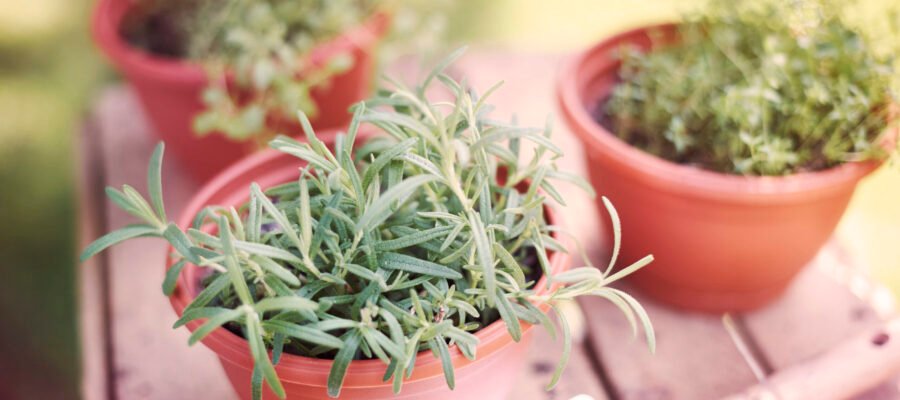
Imagine picking basil from your own balcony to make homemade pesto, or plucking a sprig of rosemary to garnish roasted potatoes. You don’t need a large garden to grow fragrant plants. Many people even find that a small potted plant is enough to enhance the aroma of dishes while beautifying their home.
Even with limited space, potted fragrant plants are ideal for embarking on a wonderful gardening journey. A major advantage of fragrant plants is that they are generally easy to grow and care for—perfect for those who aren’t gardening enthusiasts.
Why choose aromatic potted plants?
Growing aromatic plants in pots is not only practical, but also offers numerous benefits. First of all, having fresh herbs always on hand allows you to add a touch of freshness to your dishes quickly and easily. Furthermore, aromatic plants do not require immense space; a small illuminated corner of a balcony or a sunny window in the kitchen can do the trick.
Growing aromatic plants in pots can also be incredibly rewarding. There’s something special about caring for plants and seeing them thrive under your care. Furthermore, it is a relaxing exercise that brings you closer to nature, even in the heart of the city.
The advantages of growing aromatic plants in pots
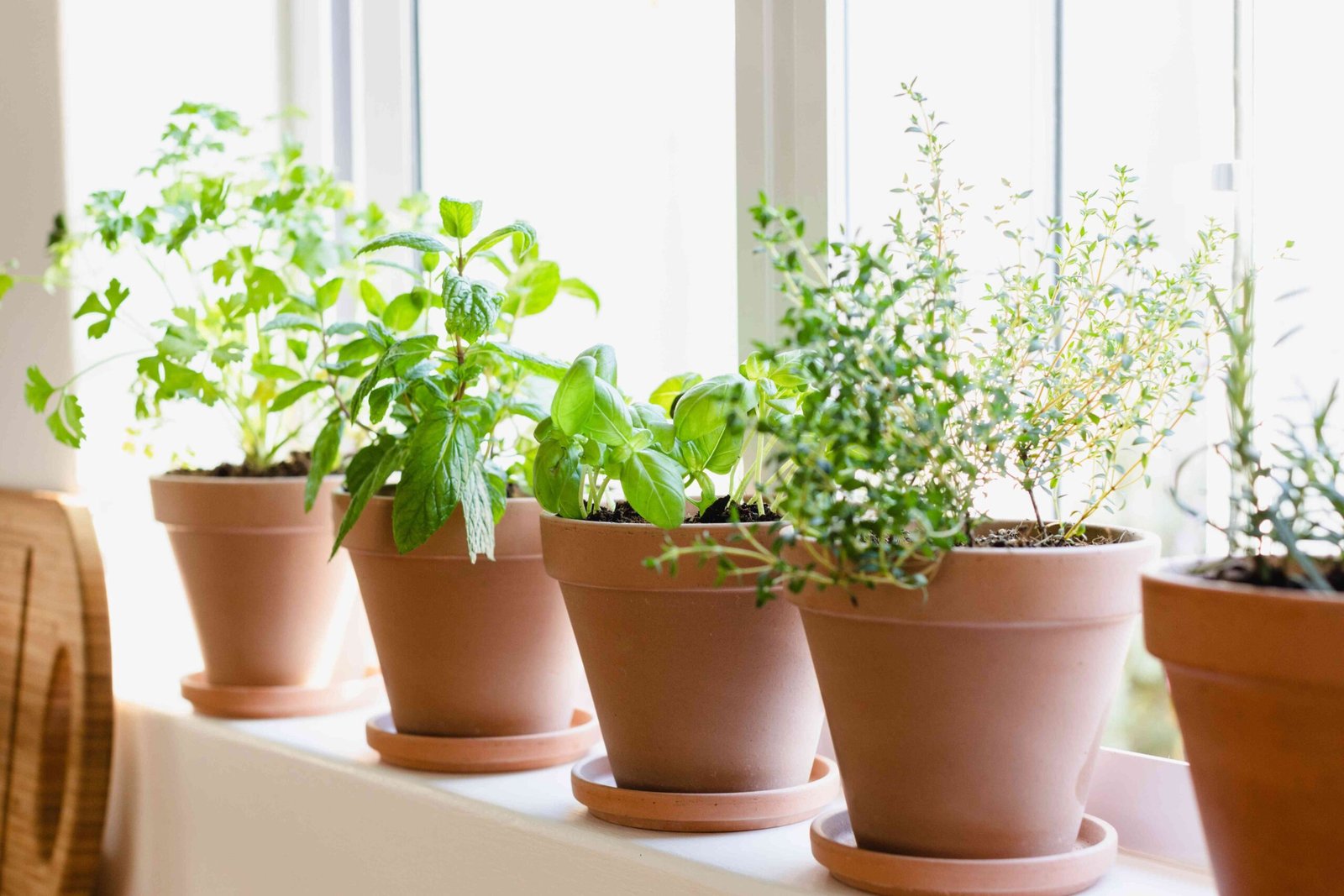
Potted aromatic plants offer exceptional flexibility. You can easily move them to the sunniest spot or shelter them from inclement weather. This is especially beneficial in regions with variable climates.
Furthermore, potted aromatic plants provide better control over common soil problems such as waterlogging and pests. Compared to planting in the ground, potted plants are easier to correct mistakes in, making them more accessible for beginners.
In short, regardless of space size or experience level, potted aromatic plants are a practical, simple, and fun way to get started in gardening. With the right methods, you can enjoy the benefits of fresh herbs anytime.
How to start growing aromatic plants in pots
Now that you understand the advantages of growing aromatic plants in pots, let’s see how to get started. First of all, you will need to choose which herbs you want to grow. Popular options include basil, rosemary, sage, mint, and thyme, but the possibilities are nearly endless. The choice of plants will depend a lot on the use you will make of them in the kitchen and on the environmental conditions of your home, such as light and temperature.
Selecting the right pots
When it comes to pots, selection is crucial to the success of your herb plants. It is important to choose pots with a good drainage system to prevent water from stagnating, causing root rot. Terracotta pots are a great choice because they allow the soil to breathe, but plastic pots can also work as long as they have drainage holes.
Choice of suitable soil
Soil plays a fundamental role in the cultivation of aromatic plants. Make sure you use good quality soil, possibly specific for aromatic or herbaceous plants. This type of soil is usually well-draining and nutrient-rich, which is essential for promoting healthy root growth.
Exposure to light
Light is another crucial factor. Most aromatic plants love the sun, so a south-facing balcony or a well-lit window is ideal. If you find that your plants tend to grow by pointing their stems towards the light, you may need to rotate the pots regularly to ensure even growth.
Daily care of potted aromatic plants
Caring for your potted herbs doesn’t have to be complicated. However, there are some essential practices you should follow to ensure your plants stay healthy and produce lush foliage.
Correct watering
One of the most common mistakes in growing aromatic plants in pots is inappropriate watering. Most herbs prefer soil that is kept consistently moist but not waterlogged. Always check the moisture level of the soil by inserting a finger a few centimeters below the surface; if the soil feels dry, it’s time to water.
Regular pruning
Pruning herb plants not only helps them maintain a compact, tidy shape, but also stimulates new growth. Regularly remove dry leaves and cut the tops of branches to encourage thicker growth. Don’t be afraid to rake leaves; your plants will appreciate the treatment!
Protection from parasites
Finally, keep an eye out for any signs of pests or disease. Aphids and mites can be a common problem, but there are organic solutions to deal with them without the use of pesticides, such as natural oils or insecticidal soap. A good practice is to regularly check the leaves on both sides for any unwanted intruders.
With these first steps, you are well on your way to becoming an expert grower of potted herbs. Get your green thumbs ready: in the next part we will delve into the specifics of some of the most popular aromatic plants.
The best aromatic plants to grow in pots
You’ve already learned how to start and care for your herb potted plants, now it’s time to explore some of the best varieties to include in your collection. Each plant has its own particular needs and benefits, so let’s find out which ones best suit your lifestyle and culinary preferences.
Basil
Basil is one of the most loved and versatile aromatic plants. It requires a sunny environment and regular but not excessive watering. Ideal for seasoning Italian dishes such as pesto or flavoring salads, basil is perfect for those who love Mediterranean cuisine. Remember to pinch the tops of the leaves to prevent it from flowering too early, thus prolonging its production cycle.
Rosemary
Rosemary is hardy and hardy, preferring well-drained soil and a place in full sunlight. Adds a delicious aroma to meat dishes and roasted potatoes. Regular pruning will not only keep the plant healthy, but will also help it produce beautiful, dense foliage. Take advantage of its woody branches to get a smoky aroma while grilling it on the barbecue.
Thyme
Thyme is another culinary wonder, ideal for myriad recipes, from meat marinades to soup seasonings. Thyme requires little maintenance, loves sunny locations and can tolerate drier soil. It is perfect for novice gardeners looking for a reliable plant.
Mint
Mint is incredibly easy to grow and thrives in a wide range of light conditions. However, it tends to grow quickly and can easily overwhelm other plants, so it is recommended to grow it in a separate pot. Mint adds a lively freshness to cocktails and desserts, such as the famous mojito or mint ice cream.
Sage
Sage is loved for its soft and fragrant leaves, ideal for flavoring white meats and sausages. It prefers a sunny environment and well-drained soil. A friend of autumn and winter dishes, sage brings a touch of warmth and complexity to your stews.
In conclusion
Growing aromatic plants in pots is a fun and easy adventure that can enrich your kitchen and add fragrance to your living space. With the right light, care, and plant selection, you can create your own fragrant garden. Experiment with different herbs, make unexpected combinations in your kitchen, and enjoy the fruits of your labor (or more precisely, the leaves!). Happy gardening!
At our Le Georgiche shop, you can find basil, rosemary, sage, mint, thyme, and many other aromatic plants perfect for your balcony or kitchen. Click here to see our selection.