
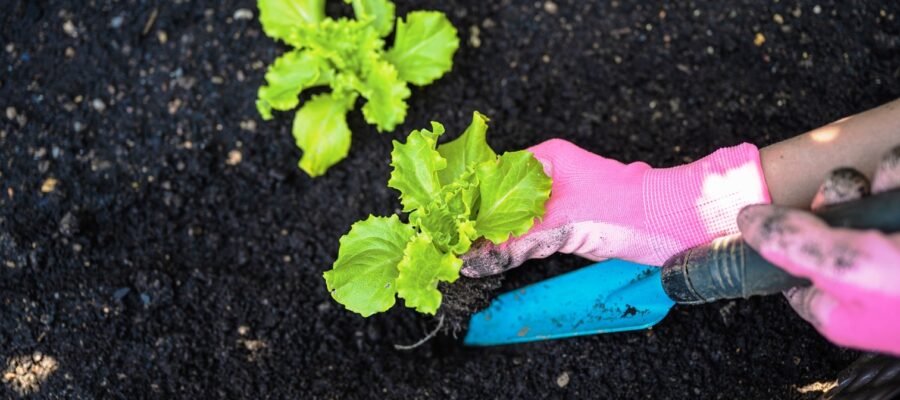
September is a transitional month between summer and autumn, with warm colors and pleasant temperatures. This month requires a significant amount of gardening work to prepare the lawn for winter and lay the foundation for a beautiful spring garden.
Lawn Care
After the summer heat, now is the perfect time to care for your lawn. Start by aerating and mowing, and water only when necessary. You can find all the necessary tools in the relevant categories in our online store.
Fertilizing is crucial for lawn health and should be done three times a year: spring, summer, and fall. Ensure fertilizer is distributed evenly and avoid fertilizer buildup to prevent damage to the lawn. Use mineral fertilizers in the fall (organic fertilizers should only be used in winter). You can find these fertilizers in the relevant categories in our online store.
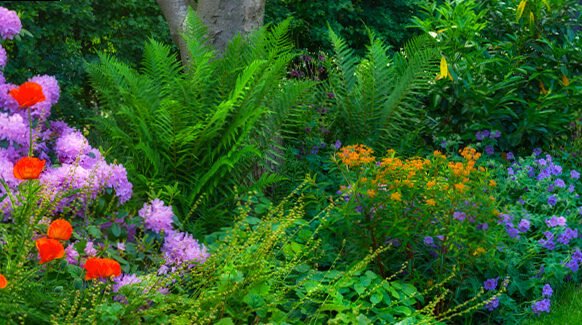
You can also sow new grass (browse our grass seeds!), as the mild climate and abundant rainfall promote rapid germination.
Use selective herbicides to control weeds currently in the seeding stage. Herbicides must be sprayed using a low-pressure sprayer and diluted with water. Ensure there is no rain for the next 6-10 hours to allow for better fertilizer absorption. Remove moss with ferrous sulfate or sulfate-based products.
- Plants and Flowers, Flower Beds and Shrubs
- To avoid being caught off guard before winter arrives:
- First, prune withered branches, rake away fallen leaves, and remove weeds.
You can trim evergreen hedges.
Start thinking now about what you want your flower beds to look like in spring and prepare to plant bulbs and violets. Water after planting. This will help bulbs and flowers survive the winter and make your flower beds more vibrant in spring.
Remove plants affected by the heat and herbaceous plants that have completed their growing season.
Now you can reduce the frequency of watering and misting indoor plants. Note the amount of light some plants still need, as they may require shade.
Carefully check plants for pests such as aphids, cochineal insects, spider mites, and whiteflies, as well as fungal diseases that cannot survive the winter. If found, treat with appropriate insecticides.
In addition, prepare suitable locations for your indoor plants and outdoor shrubs to protect them during the colder months.
As in spring, you can now propagate rosemary, marjoram, and sage by cuttings. Use the tips of the young shoots of the plants you want to propagate.
Vegetable Garden and Fruit Trees
September is an ideal harvest month.
Harvest the last of your tomatoes, lettuce, peppers, and herbs; you can dry them in a shady place for winter storage (e.g., parsley, basil, mint, lemon balm, oregano). Pick the fruit from apple and pear trees, and look for berries growing among the leaves.
Begin your first light pruning this month, but wait until November for more thorough pruning.
Start fertilizing and preparing seeds for fall planting: parsley, turnips, spinach, arugula, chicory, cabbage, and white kale. Plant lettuce, fennel, beetroot, onions, garlic, and broccoli outdoors to prepare for winter. If space is limited, consider potted plants.
Begin fertilizing and preparing seeds for fall sowing: parsley, radishes, spinach, arugula, chicory, cabbage, and white kale. Lunar Phase This Month:
Waning Moon from September 1st to 13th and from September 28th to 30th
Wing Moon from September 14th to 27th