
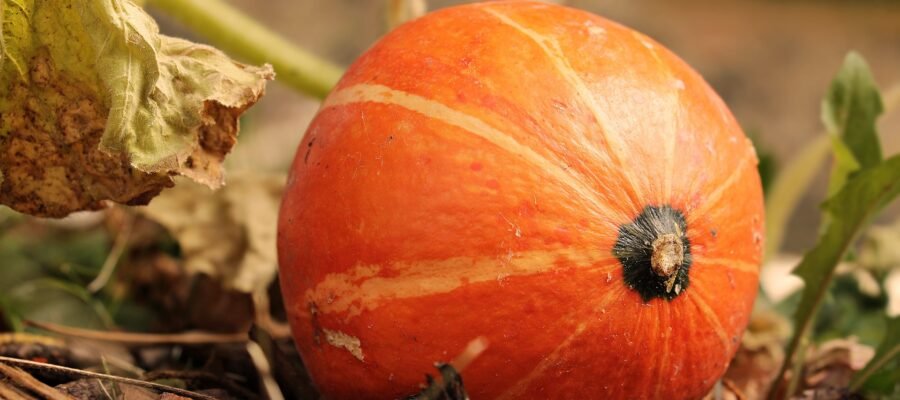
Cucurbits are a medium-sized family with over 800 species. Its main distribution area is in tropical and subtropical climates; only the genus Bryone is found in Central Europe Briona native. Pumpkins, melons and cucumbers are especially important in the garden.
Characteristics of the cucurbitaceae family
The plants are generally herbaceous, with tendrils, unisexual flowers and a lower ovary. Individual species in the family share distinctive characteristics and usually require a lot of heat. The root system consists of a deep taproot and a dense network of lateral roots that extends at least as far as the above-ground leaf mass. The shoot axis usually lies on the ground, but rarely climbs. The stem itself is hollow. Most species in the cucurbit family have soft or coarse hairs.
The flowers are large, showy and pollinated by insects. As a rule, plants are monoecious, which means that there are flowers of both sexes on one plant. The flowers themselves are male or female and often appear in clusters along the leaf axils. Fruits develop from fertilized female flowers. These are the so-called armored berries, which allow the seeds to ripen for a longer period of time, even if the mother plant is already dead.
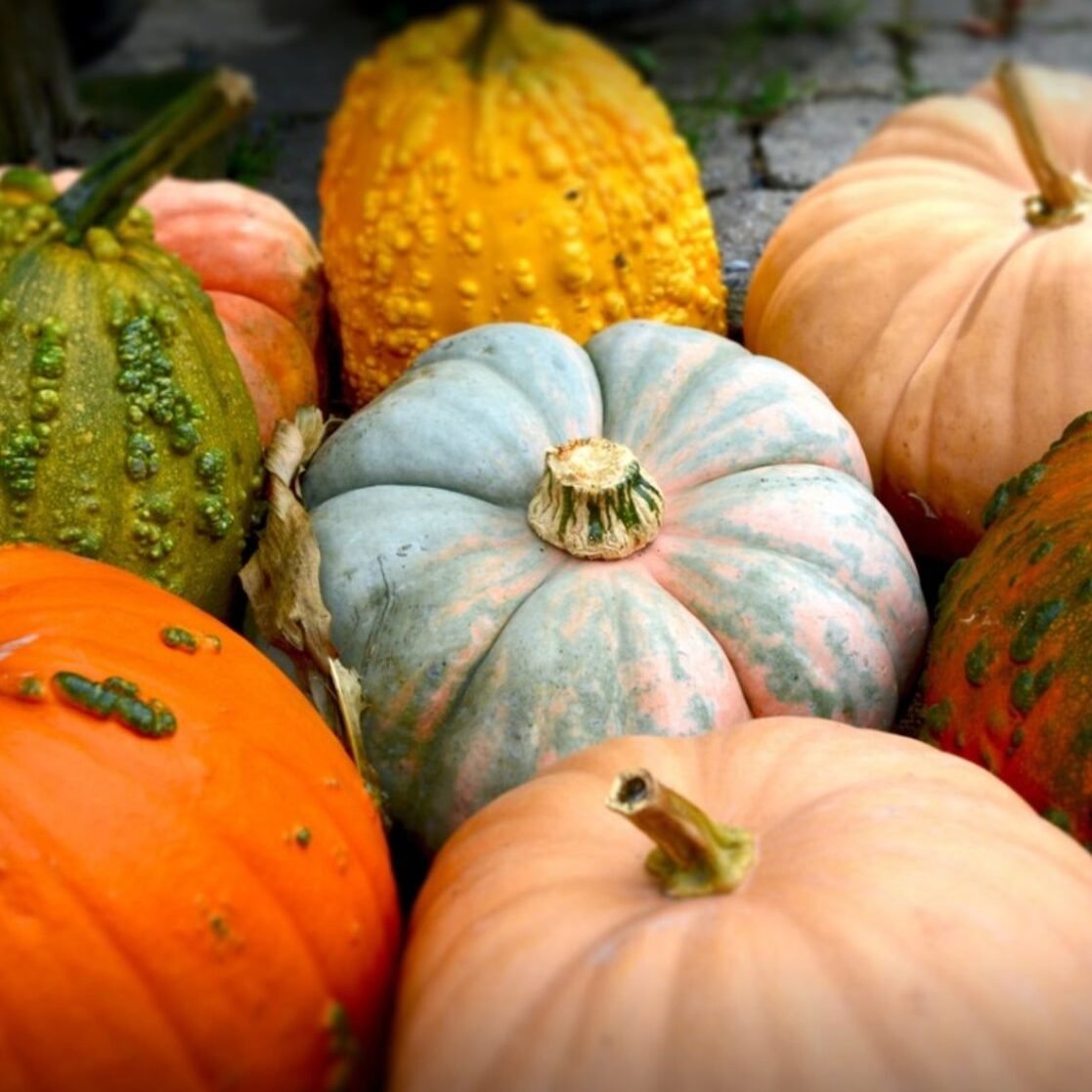
Curcurbitacin – poisonous bitter substance from the pumpkin family
All squash plants naturally contain the poisonous bitter substance cucurbitacin. They mainly serve to protect the fruits from being eaten, while the seeds are always free of bitter substances. All cultivated forms suitable for consumption are selected for very low quantities of toxic substance. However, it often happens that the fruits have a bitter taste.
You should pay attention to all types of pumpkin plants. It often happens that the fruits of cultivated varieties become bitter. These are not to be consumed; in the worst case, poisoning can be fatal. The good news, however, is that you can taste the bitter substances. It is best to try a piece of cucumber, pumpkin or courgette before preparing it. If it tastes bitter, throw the fruit away! Sometimes the following fruits are free of bitter substances.
This is why cucumbers and pumpkins become bitter and poisonous?
There are two main reasons why the fruits of edible cucumbers and pumpkins become bitter and poisonous:
Homegrown seeds
For a whole range of plants you can collect the seeds yourself and sow them again. The worst thing that can happen with tomatoes, lettuce and other vegetables is that the result is not as expected. When it comes to pumpkin and the like, home-grown seeds can have fatal consequences. Uncontrolled breeding with other species and varieties can cause the fruits to become bitter and poisonous. This is especially true when edible pumpkins crossbreed with poisonous ornamental pumpkins. It is best to use seeds of tested quality, and if you want to grow seeds yourself, you should pollinate the flowers by hand.
Too much stress
Cucumbers in particular are known to become poisonous in drought conditions. But courgettes and pumpkin can also taste bitter. Don’t expose your squash plants to too much drought; they need lots of regular water, especially in summer.
The most important species of the cucurbitaceae family
The most important varieties are pumpkins, which are divided into three types, giant pumpkins, nutmeg pumpkins and garden pumpkins, as well as cucumbers, watermelons and melons, as well as some exotic ones such as the bottle gourd, the loofah or the wax gourd. There are no ornamental plants in the pumpkin family, at least not in Central Europe. At best, brione can be used to green the fences of natural gardens.
Giant pumpkins The largest pumpkin
Giant pumpkins undoubtedly produce the most impressive fruit. The world record for the heaviest pumpkin is held by an Italian who weighs an incredible 1226 kg. Giant pumpkins were once very popular, but today smaller ones with a stronger flavor are preferred.
Sortentipp: Atlantic giant
The Atlantic giant pumpkin is the giant pumpkin par excellence. When discussing who grows the heaviest pumpkin, specimens of this variety always come first. However, for a magnificent specimen that weighs more than a ton you would still have to put in a lot of effort; professionals rent greenhouses specifically to raise their favorites. In the garden, sizes between 100 and 300 pounds are realistic for this variety.
Garden pumpkin Pumpkin pie
Garden pumpkins are very diverse. A fundamental distinction is made between summer squash and winter squash. Summer squashes include, for example, courgettes or Pattinsons, which are harvested unripe before the seeds form and the skin of the fruit hardens. Winter pumpkins include many ornamental pumpkins and decorative edible pumpkins such as bishop’s squash. The Styrian oil pumpkin is also a garden pumpkin.
Variety tip: Diamant F1 courgettes
The Diamant F1 courgette variety is a robust and very high-yielding hybrid. New dark green fruits continue to form throughout the summer. Harvest when the fruits are a maximum of 20 cm long. Stuffed courgette flowers are a truly special delicacy.
Hokkaido pumpkin Pumpkin pie
The Hokkaido pumpkin, star among autumn vegetables, is characterized by its nutty flavor and its versatility in the kitchen. Its bright orange color not only visually enriches any dish, but is also an indicator of its high beta-carotene content, which supports vision and strengthens the immune system. A particular advantage of the Hokkaido pumpkin is that its skin becomes soft when cooked and is therefore edible, which makes preparation much easier. In soups, as a side dish, in casseroles or even in cakes, the Hokkaido pumpkin is a real all-rounder in autumn cooking.
Variety tip: Amazonka
The Kiepenkerl pumpkin “Amazonka” is a great choice for garden lovers with limited space. This Hokkaido variety grows semi-bush and produces 3-6 orange fruits per plant, ideal for small gardens, patios or raised beds. With a fruit weight of 1-1.5 kg, Amazonka is perfect for a single family as it leaves no leftovers. Plants can be grown in early April or May or sown directly outdoors in May or June. Young, seedless fruits can be used as courgettes in summer, while mature pumpkins can be harvested from the end of August and stored for up to 8 months. The Amazonka pumpkin variety not only offers a space-saving solution, but also versatile culinary options, from barbecues to classic pumpkin cream soups.
Mossy pumpkin Pumpkin nutmeg
Musk pumpkins thrive in the tropics, but in this country they can also be grown in a protected location. The pulp is very aromatic and intensely colored. The shell is hard and rough, which is why pumpkins keep very well.
Sortentipp: Muscat of Provence
These large, late-ripening pumpkins can weigh up to 8 kg. Thanks to its flat and strongly ribbed shape, it is decorative and at the same time durable. This traditional French variety is highly prized for its delicate nutmeg flavour.
Cucumbers Cucumber sativa
A key distinction is made between cucumbers and pickled cucumbers. Cucumbers, also known as snake cucumbers, are the most common type. It is usually grown in greenhouses and is quite heavy, weighing around 400-500 grams. Pickled cucumbers or gherkins are much smaller and are stored in jars. They are grown outdoors and are fermented with lactic acid or preserved in vinegar broth.
Sortentipp: Corentine F1
The Corentine F1 pickled cucumber produces purely female fruits that thrive even without pollination. The yield of this parthenocarpic variety is much higher than monocytic varieties. The fruits are of high quality and uniform in appearance, making them easy to work with.