
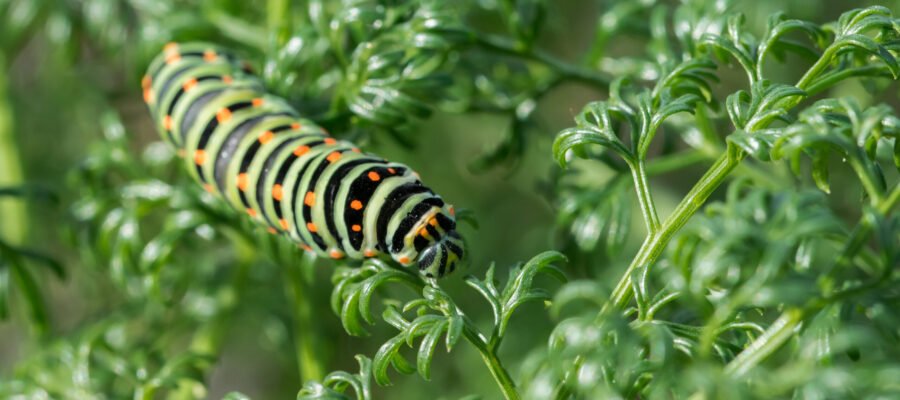
When it comes to gardening, one of the most common challenges faced by hobbyists and farmers is the presence of caterpillars on plants. These small but voracious insects can quickly damage healthy, lush plants, putting your harvest and the aesthetics of your verdant garden at risk. But fear not, because there are effective solutions to get rid of the caterpillar in plants once and for all.
Green caterpillars, also known as green earthworms on plants, feed on leaves and sometimes fruit, leaving behind a disheartening panorama of holes and decay. If left undisturbed, these plant caterpillars can multiply and cause serious damage to your garden. But how to eliminate green caterpillars on plants once and for all? This is a common and very important question for anyone who wants to keep their garden healthy.
There are countless times when you have bent down to observe with disappointment the gnawed leaves and the unmistakable signs of the presence of green worms in the plants. The good news is that, with a combination of natural remedies and possible chemical treatments, you can prevent and contain their spread.
How to eliminate caterpillars from plants: tips and strategies
The first step in getting rid of caterpillars on plants is to correctly identify them. Once you are sure you are dealing with a green plant worm, you can decide what approach to take. There are several methods to deal with the problem effectively:
- Manual Removal: If the number of caterpillars is relatively low, you can remove them manually. Put on gardening gloves and remove the caterpillars from the leaves, throwing them into a bucket of soapy water to kill them.
- Using traps: There are specific traps that attract caterpillars and trap them, preventing them from spreading further.
- Natural sprays: Preparations based on garlic, pepper, or a solution of soap and water can be sprayed directly on the infested leaves.
- Natural predators: Encourage the presence of birds and other predators in your garden. These can help control the caterpillar population naturally.
Natural remedies for green worms in plants
Natural remedies represent a valid alternative to chemical pesticides, which are often harmful to the environment and human health. Here are some solutions you can try:
- Essential oils: Neem oil is known for its repellent properties. Dilute a few drops in water and spray on the plants.
- Aromatic herbs: Plants like mint and basil not only decorate your garden but also help repel caterpillars.
- Biological mud: Some clay-based muds can be applied to leaves to discourage attack by caterpillars.
It’s important to remember that natural methods take time and patience, but the results can be extremely effective. Furthermore, protecting the surrounding environment and non-harmful species is a significant advantage of these approaches.
Identifying caterpillars in plants: recognizing the different types
To deal with the problem of plant caterpillars effectively, it is useful to know how to recognize them. In fact, there are different species of caterpillars that can infest your garden, each with specific characteristics. Among the most common we find green caterpillars which easily camouflage among the leaves. Others instead have prominent stripes or spines.
Looking closely at plants can help you identify the problem early. Look for small, dark droppings on the surface of leaves, holes, or particularly damaged leaves. Identifying the species of caterpillar will allow you to determine which control method will be most effective.
Preparing your garden: prevention first and foremost
Prevention is the key to protecting your plants from caterpillar infestation. Here are some preventative tips that can reduce the risk of infestation:
- Crop rotation: Regularly changing plant species grown in the same area can interrupt the life cycle of pests.
- Companion plants: Some plants can act as natural repellents. For example, calendula and lavender can discourage caterpillars.
- Garden maintenance: Removing fallen leaves and debris can eliminate potential hiding places for caterpillars and their larvae.
- Regular check: Inspect plants frequently to spot early signs of infestation and act quickly.
Chemical techniques to eliminate green worms in plants
When natural remedies are not enough to manage the infestation, you may consider using chemical treatments. It is important to use them with caution to minimize the impact on the environment. Here are some options:
- Specific insecticides: Choose insecticides formulated specifically for caterpillars and follow directions for use carefully.
- Growth regulators: These products interfere with the life cycle of caterpillars, preventing their maturation.
- Bacillus thuringiensis (Bt): A natural bacterium that eliminates caterpillars by altering their digestive system. It is considered safe for the environment as it specifically targets insect larvae.
Remember that the use of chemicals should be a last resort and should only be adopted when other strategies have not been effective. Always aim for a balance between plant protection and safeguarding the surrounding ecosystem.
Sustainability and long-term management of caterpillars in plants
When it comes to managing caterpillars in plants, the balance between effectiveness and sustainability is essential. Integrating different strategies helps not only to solve the problem immediately, but also to prevent it in the future. Integrated garden management can improve plant health and reduce the need for drastic interventions.
The advantages of a sustainable approach
Adopting natural and sustainable methods offers numerous advantages. Not only does it protect your plants from caterpillars, but it also improves the biodiversity of your garden by attracting beneficial insects and natural predators which aid in infestation control. The reduced use of chemicals also means less impact on the environment and human health.
Tips for ecological gardening
- Organic compound: Improving soil fertility with natural compost strengthens your plants, making them more resistant to pests.
- Plant diversity: Plant a variety of species in your garden to promote a balanced ecosystem.
- Continuous education: Staying informed about the best eco-sustainable gardening practices allows you to proactively address problems such as caterpillars.
Caterpillar in plants: what to do in summary
Addressing the caterpillar problem in plants requires a multi-faceted and conscious approach. From identifying to applying natural or chemical remedies, there is a wide range of strategies to choose from. The key is to constantly monitor the garden and take prompt action to mitigate the infestation.
Incorporating sustainable practices serves not only to protect your little green paradise, but also to contribute to a healthier environment and a greener future. Finally, remember that patience and perseverance are your allies on the path to a caterpillar-free and thriving garden.
On the our Le Georgiche store you will find natural products, fertilizers and solutions to protect your plants from parasites such as green caterpillars and always keep them healthy. Click here to discover all the available offers.