

Bring a dragon blood tree home now! Have you ever taken a close look at your home? Is there a beautiful dragon blood tree quietly nestled in a corner of your living room? If the answer is “no,” then act now!
The dragon blood tree is one of the most popular houseplants—not only is it uniquely beautiful, but it’s also easy to care for.
To be honest, its resin looks just like dragon blood tree sap!
Dracena, why is it called that?
The origins of its name are very particular and derive from the ancient Greek “drakaina”, which means “female dragon”, this is because one of these species is D. draco (in the Canary Islands I saw a much visited specimen of thousand-year-old Draco, also present in the botanical garden of Palermo) it secretes a red resin on the stems which gave the impression of being dragon’s blood. Centuries ago this very particular resin was used in various ways, for example as toothpastes, dyes and medicines. Today, however, it is used for paints and photoengravings.
The Dragon Family
THE APG IV classification (Phylogeny of Angiosperms Group IV) is the fourth version of scientific classification of angiosperm plants based on molecular phylogenetics, published in 2016 by the Angiosperm Phylogeny Group. It may surprise you but Dracaena is part of the asparagus family (Asparagaceae), and the dracaena genus alone includes around 40 different species.
First agavaceous/liliaceae, often grouped with the Cordyline genus with which it shares some affinities but is systematically separate.
We know the Dracena
There are approximately 150 varieties, of which only 40 are cultivated.
They are evergreen shrubs or trees, characterized by their long, slender leaves arranged in a rosette at the tips of branches.
Dracaena fragrans is native to the subtropical and tropical regions of Africa, but some varieties are also found on other continents.
As mentioned earlier, Dracaena fragrans is popular for its lush foliage and glossy, exceptionally long leaves. It is also an air-purifying plant, not only beautifying the home environment but also improving indoor air quality.
In spring, if planted outdoors, Dracaena fragrans will produce small but fragrant white flowers, typically growing in yellowish-green panicles. These flowers later develop into round berries, almost imperceptible indoors.
In apartments, both the flowers and berries are difficult to spot.
Caring for Dracaena
The Dracena is a simple plant and also suitable for beginners, but let’s take a closer look at what we can do for it!
Light
He does well in positions with a lot shielded light, tolerates even shadier areas but the colors of the leaf blade could be affected and growth will be less rapid. Attention, direct rays should be avoided as they could burn the leaves.
Waterfall
The soil must be kept moist, but absolutely no waterlogging! The Dracena does not require too much water, just keep it hydrated by misting the leaves and waiting for the soil to be dry before watering again.
We recommend using bottled water for this plant if possible, as it has proven to be sensitive to fluoride which is often present in tap water.
Land
For the Dracena we suggest using our One plus, if you prefer to create the right mix yourself, keep in mind that if placed in a pot it prefers a clayey and well-draining soil, possibly modified with peat moss.
Temperature
Ideal temperatures range from 18 to 25°C. It is advisable not to go below 16 degreessome species tolerate well up to 10°C, it will not resist such low temperatures for very long. You must also pay attention to air currents that could damage it. It tolerates the typical humidity of houses well, but if you find yourself in a situation with rather dry air, it will certainly be useful to spray it.
Fertilization
In summer and spring fertilize once every two weeks, then reduce to once a month in autumn. In winter it is possible to reduce the doses but it is advisable not to interrupt fertilization.
Pruning
The stems of the Dracena can be cut wherever you prefer, this is a quality that should not be underestimated given that it is a plant that can grow considerably if desired. It will then be sufficient to choose the older stems and cut them to the desired height, after which the new foliage will begin to grow just below the cut within a few weeks.
I repot
Having slow growth, repotting will hardly be an operation that you will find yourself doing often.
Propagation
It roots easily from cuttings in water, after about 3 weeks the roots will emerge, without the help of rooting hormones.
Problems
- Drooping or yellowing leaves indicate overwatering or drainage problems.
- Leaves with dark brown areas and/or dead areas with yellow edges usually indicate a fluoride toxicity problem (the water should therefore be changed, using purified water).
It is usually a plant resistant to parasitic attacks, but it could be subject to attacks by cochineal.
Toxicity
This plant is toxic to dogs and cats if ingested. Cats may have dilated pupils while both dogs and cats may have symptoms such as vomiting, excess saliva and lack of appetite.
Ultimas Entradas Publicadas
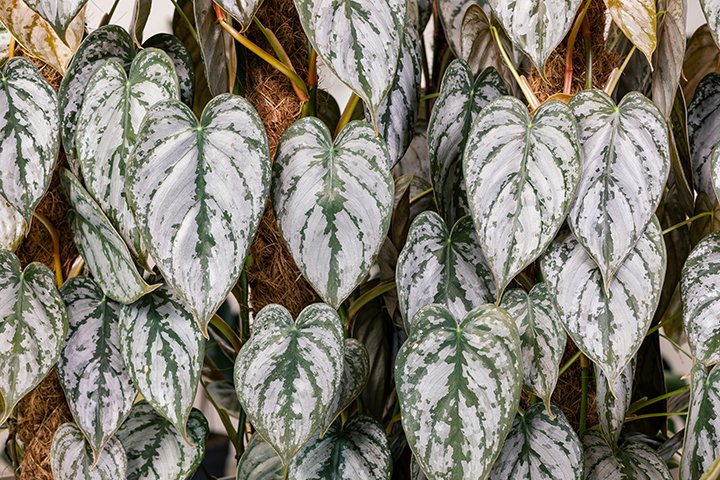
4 reasons to adopt Philodendron brandtianum, the perfect houseplant!

Various models and big discounts in the summer sales: the deal of the day

Let’s talk about Christmas decorations

– Complete calendar of holidays and events

Our favorite seasonal rugs and design tips

The most inspiring Christmas gift perfumes 2025: ideas for him and her
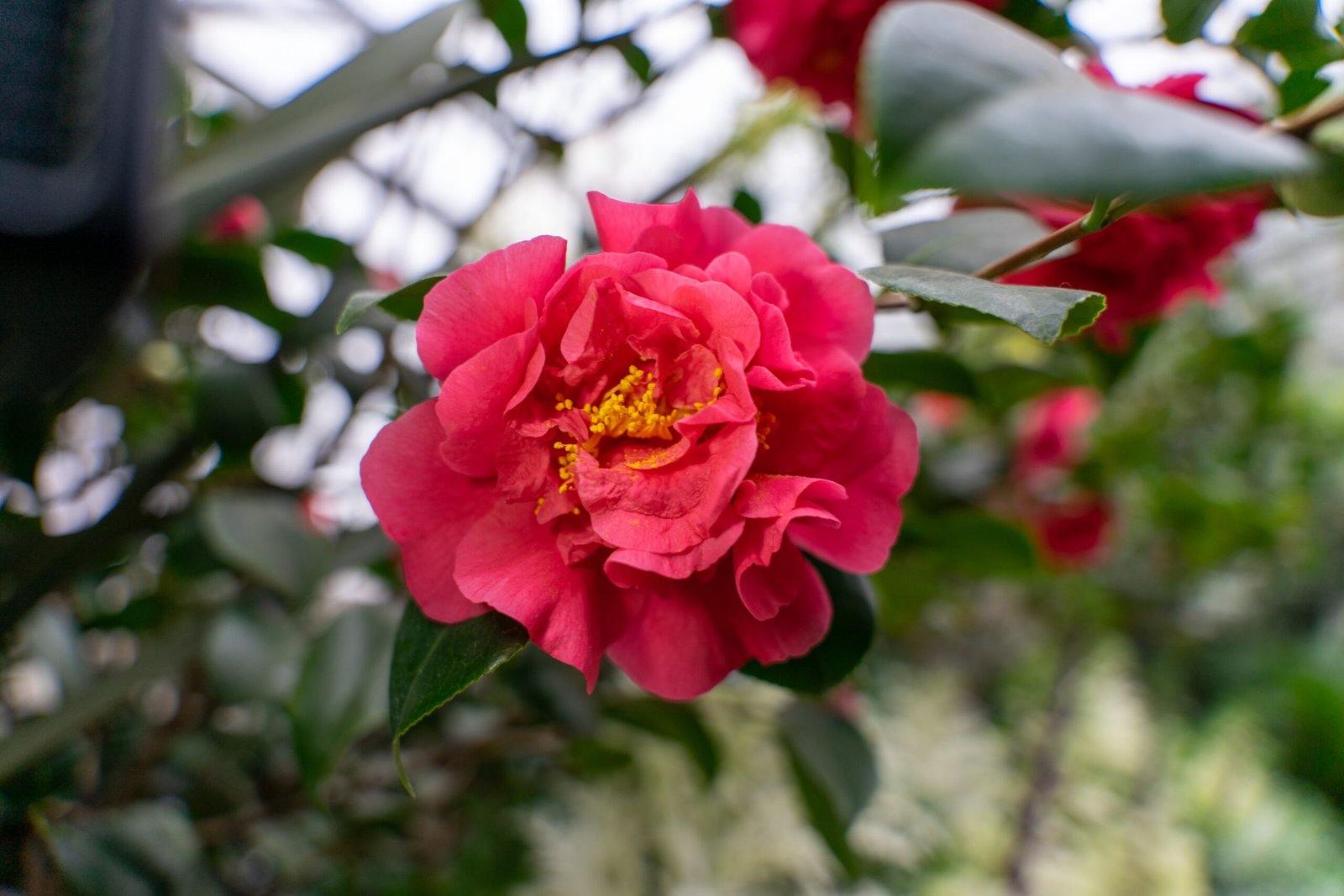
Camellia sasanqua, winter flower – Online Plant Sales
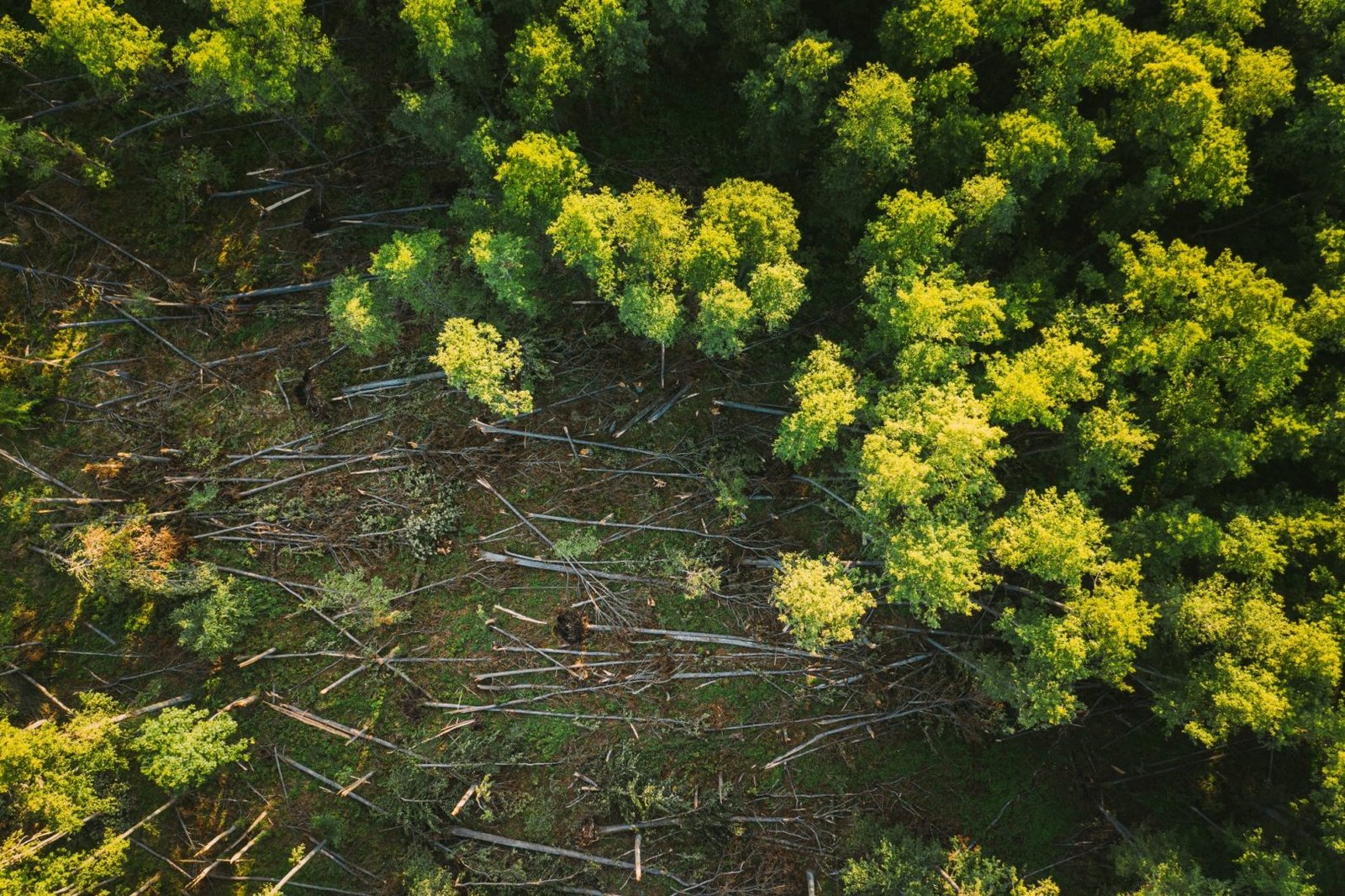
What is happening to our Planet?
How to build a greenhouse for succulents: practical guide