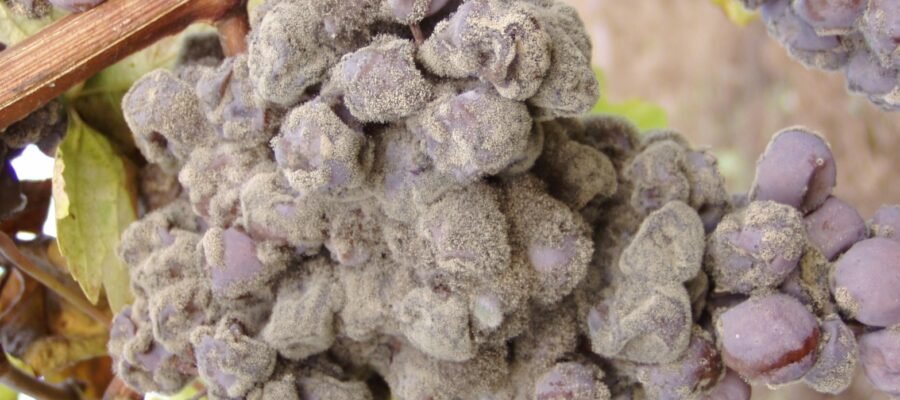
Overcrowding of potted plants and seeds, cold and damp growing environments, and wilting or decaying fruit or flowers can all promote the spread of a common fungal infection called gray mold (Botrytis).
If a plant label indicates the need for good ventilation, it’s almost certain that the plant is particularly susceptible to gray mold. Few plants are completely immune to gray mold: simply put, gray mold is to plants what the common cold is to humans.
Plants grown in greenhouses or enclosed spaces are most vulnerable to gray mold. Particularly susceptible plants include cyclamen, all geraniums and chrysanthemums, African violets, cherubs, fuchsias, passionflowers (Gynura aurantiaca), and yellow pitcher grass (Sarracenia flava).
Vegetables susceptible to gray mold include tomatoes and lettuce. Treatment is difficult because fungicides are not recommended for edible products.
Strawberries and raspberries can also be affected by gray mold, which forms a grayish-white layer and rots within a short period of time.
What is botrytis
His full name is Botrytis cinereabut it is commonly called gray mold.
It is often difficult to identify, because it can easily be found associated with other types of leaf or root rot.
Botrytis or not, as a general rule for the health of the plants it is good constantly keep any dead residue removed.
Symptoms
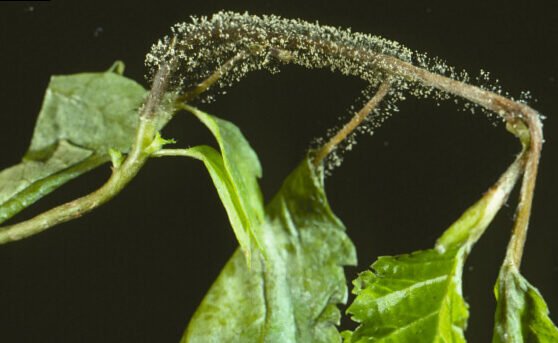
The symptoms that indicate the presence of botrytis vary, but usually the presence of a soft gray mold can always be noticed on the plant tissues, which soon develops into rot.
In the fuchsia the bulbs, flowers and stems rot, while in the cyclamen Dirty white, red or brown spots form on the leaves.
THE botrytis it appears as a compact set of straight filaments; when one mold completely stabilized is touched and gives off a cloud of microscopic spores: it is through the latter that the infection spreads in the air, settling on the ground or on other plants.
Botrytis rot is brown, has a soft consistency and develops in the shelter of common mold.
How to prevent gray mold
THE gray mold It is more likely to cause problems when the temperature is subject to fluctuations, for example in spring or autumn, when it can suddenly become cold from being very hot.
Combined with excessive watering, these surges can leave plants wet and cold.
In a closed environment good ventilation is essential for any species; no matter how cold the external temperature is, the plants must still be ensured fresh air away from drafts, generally better if in the central hours of the day.
Heating a room where you grow plants and then opening the windows may seem crazy, yet it may be essential to do sojust as it may be necessary to consider whether there is really a need to heat an environment for the plants you grow: if the room is kept at a comfortable temperature for those who live there, the air can become hot and stale; to keep the risk of abotrytis infestation Ten minutes of fresh air and a more controlled watering regime may be enough.
Even plants kept too close to each other, or those with overgrown and thick stems, are easy targets for gray mold: species grown in groups must be spaced so that the leaves do not touch each other.
The importance of cleanliness
Good hygiene of plants and containers is essential: Always remove dead or wilted tissue before it begins to rot. Given the ease with which mold spores spread, infected plants must be treated quickly and kept away from those specimens which, by wilting, prepare for the rest period.
Application of specific fungicides
At the first signs of infection eliminate any residual disease and sprinkle with a good fungicidemaking sure that the active component is suitable, especially if the plant being attacked is a vegetable.
Some chemical preparations have different indications depending on the edible species on which they can be applied: before using them, carefully check the indications on the packaging.
Application methods
The fumigationsvery effective in greenhouses or similar environments, they are absolutely to be avoided at home: it is better to transfer and isolate the infected plants in an external cultivation environment.
Liquid concentrates or powder preparations they must be diluted and mixed following the manufacturer’s instructions: a wide choice of chemical compounds most suitable for a particular problem is available on the market.
The sprays ready for use and aerosols are an expensive but effective choice: they do not need to be mixed and are easy to use. Furthermore, most aerosols currently on the market do not damage the ozone layer.
When choosing the treatment, it is fundamental to remember that certain plants are sensitive to some chemical components and that diseases such as botrytis can become resistant if the preparation is used too often or inappropriately.
If a product becomes ineffective it must be replaced, making sure to purchase one with a different active ingredient.
However, fungicides are usually systemic and are absorbed into the lymphatic system of the plant, thus protecting it from any new infections.
The plants should preferably be treated outdoors, on a mild and not windy day: place your specimen away from direct sunlight until the foliage has dried.
Even a windowsill may be suitable, or, if you really can’t even use this system, put the plants in the tub or in a sink, easy to clean elements… most of the products do not damage shiny surfaces: check the packaging anyway!
Ultimas Entradas Publicadas
4 reasons to adopt Philodendron brandtianum, the perfect houseplant!

Various models and big discounts in the summer sales: the deal of the day

Let’s talk about Christmas decorations

– Complete calendar of holidays and events

Our favorite seasonal rugs and design tips
The most inspiring Christmas gift perfumes 2025: ideas for him and her
Camellia sasanqua, winter flower – Online Plant Sales
What is happening to our Planet?
How to build a greenhouse for succulents: practical guide