Succulents, with their captivating growth habits and resilience in extreme environments, have long been beloved by gardening enthusiasts. However, they also require special care, including repotting. Anyone wishing to decorate their home with these little green gems should understand how to properly repot succulents. Repotting not only ensures the healthy growth of succulents but also gives you the opportunity to observe the unique beauty they display during their growth process.
Ready to explore the secrets of succulent repotting? Imagine a lush, miniature world, where each plant is a unique individual, adorning your space with its quiet yet powerful presence. From emptying the pot to properly arranging the plants, each step is a ritual requiring careful attention.
Prepare for transplanting succulents
First of all, it is important to know when is the right time to transplant your succulents. We often ask ourselves: “when should you repot succulents?” The best time coincides with their active growth phase, which generally extends from spring to early summer. In this period of time, the plants are ready to root better and face the change with vigor.
Choose the right pot and soil
To ensure a successful transplant, it is essential to carefully choose both the pot and the soil. The pot must have good drainage, and the size must be proportionate to the plant, not too large to avoid water stagnation, but not too small to suffocate the roots.
The ideal soil for succulents is well-draining. You can opt for specific mixtures for cacti and succulents, available in gardening shops, or prepare one yourself by mixing earth, sand and perlite in appropriate proportions.
Attention to roots and times
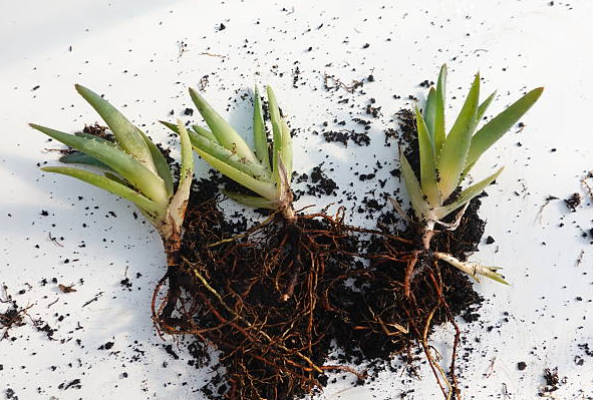
Another crucial aspect is to work very carefully so as not to damage the delicate roots of the succulents during transplanting. It is useful to handle the plant delicately, removing the old soil, if necessary, with a small brush or with your fingers, in order to free the roots from residues without damaging them.
In terms of timing, it is essential not to leave them out of the ground for too long. This period without soil should be short enough to prevent the roots from drying out, but the plant should also have time to dry out any cuts or breaks, thus preventing the risk of fungal infections.
Procedure for transplanting succulents
Step 1: Preparing the new pot
Before starting the transplanting process, fill the bottom of the new pot with a layer of gravel or expanded clay. This serves to promote drainage, avoiding stagnation which could irremediably damage the roots.
Step 2: Removing the plant
Gently remove the plant from the old pot. If the soil is compact, you may need to soften the edge of the pot by pinching or tapping it lightly to make it easier for the plant to come out.
In the next paragraphs we will explore the next steps of the transplant and some post-transplant care. Stay tuned to continue the journey into the wonderful world of succulents.
Procedure for transplanting succulents (continued)
Step 3: Cleaning the roots
Once you’ve taken the plant out of the pot, it’s time to take care of the roots. Gently clean the root system, eliminating any remains of old soil. In this step, you can also prune dead or damaged roots, making sure to use very clean and sharp tools to avoid unnecessary trauma to the plant.
Step 4: Inserting into the new pot
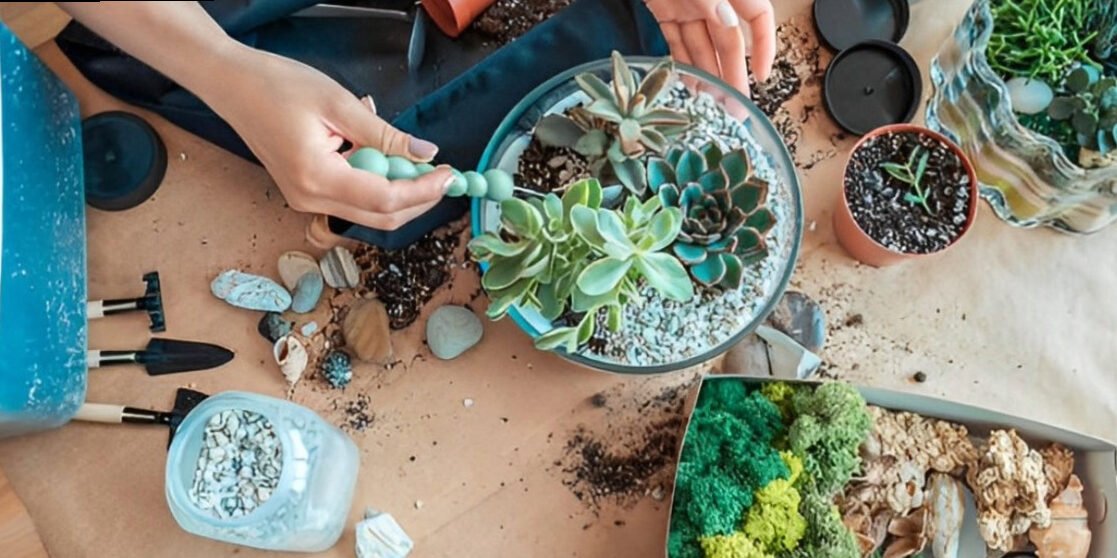
Place the succulent plant in the center of the new pot, keeping it straight, so that the roots can extend naturally. Remember not to cover the collar of the plant too much with soil: excessive burial can encourage rot.
Step 5: Filling and stabilizing
Add new soil around the roots, pressing lightly to ensure stability of the plant. Be careful not to over-compact the soil, as the roots need air to breathe and develop.
Care after transplanting succulents
First watering: the importance of timing
The first watering after transplanting is a critical moment. For succulents it is advisable to wait at least a week before watering. This time will allow the root wounds to dry and heal, reducing the risk of infection.
Location and light
Make sure your succulent receives enough light, but avoid direct sun exposure in the first few days after transplanting, as plants are particularly sensitive during this period. A bright-indirect position is ideal to help them acclimatise.
Observe and adapt
After following all of these steps, it is crucial to continue monitoring your succulents. Observe them frequently for signs of stress or discomfort, such as yellowing of leaves or wilting, and be prepared to adjust their care accordingly.
In conclusion
Transplanting succulents requires attention and care, but by following our advice, you will be able to carry out this process successfully, allowing your plants to thrive and adorn your spaces with vitality and colour. Remember, every plant is unique and observing, listening and learning from your plants is the key to becoming a true master of succulent gardening.
Renew the life of your succulents with the draining soils, breathable pots and transplanting accessories available on Le Georgiche: everything you need for perfect potting and healthy, lush plants all year round.
Ultimas Entradas Publicadas
4 reasons to adopt Philodendron brandtianum, the perfect houseplant!
Various models and big discounts in the summer sales: the deal of the day

Let’s talk about Christmas decorations

– Complete calendar of holidays and events

Our favorite seasonal rugs and design tips

The most inspiring Christmas gift perfumes 2025: ideas for him and her

Camellia sasanqua, winter flower – Online Plant Sales
What is happening to our Planet?
How to build a greenhouse for succulents: practical guide