
A summer without fragrant and aromatic tomatoes? It is hard to imagine for a keen horticulturist! Here, you will find all the information you need to enjoy bright red cherry tomatoes during summer.
Tomatoes are sensitive to cold and can only go outdoors after the Ice Saints in mid-May. You can plant in an unheated greenhouse in mid-April if you can ensure temperatures do not drop below 10°C. Tomatoes usually survive temperatures around 5°C, but then stop growing for weeks and the advantage of early growing is lost. Tomatoes are very germinative, so sow individual seeds 1cm deep into pots filled with planting medium and keep the soil moist. At a temperature between 20 and 22 °C the tomatoes will germinate within a week.
The right time
Sow tomatoes two months before the sowing date. Neither before nor after. Mid-March is ideal for outdoor growing; for greenhouse cultivation, you can start as early as mid-February. This way, you can ensure that fast-growing tomatoes do not get too big for you, and at the same time, you ensure the greatest growth advantage possible for an early start to harvest.
I repot
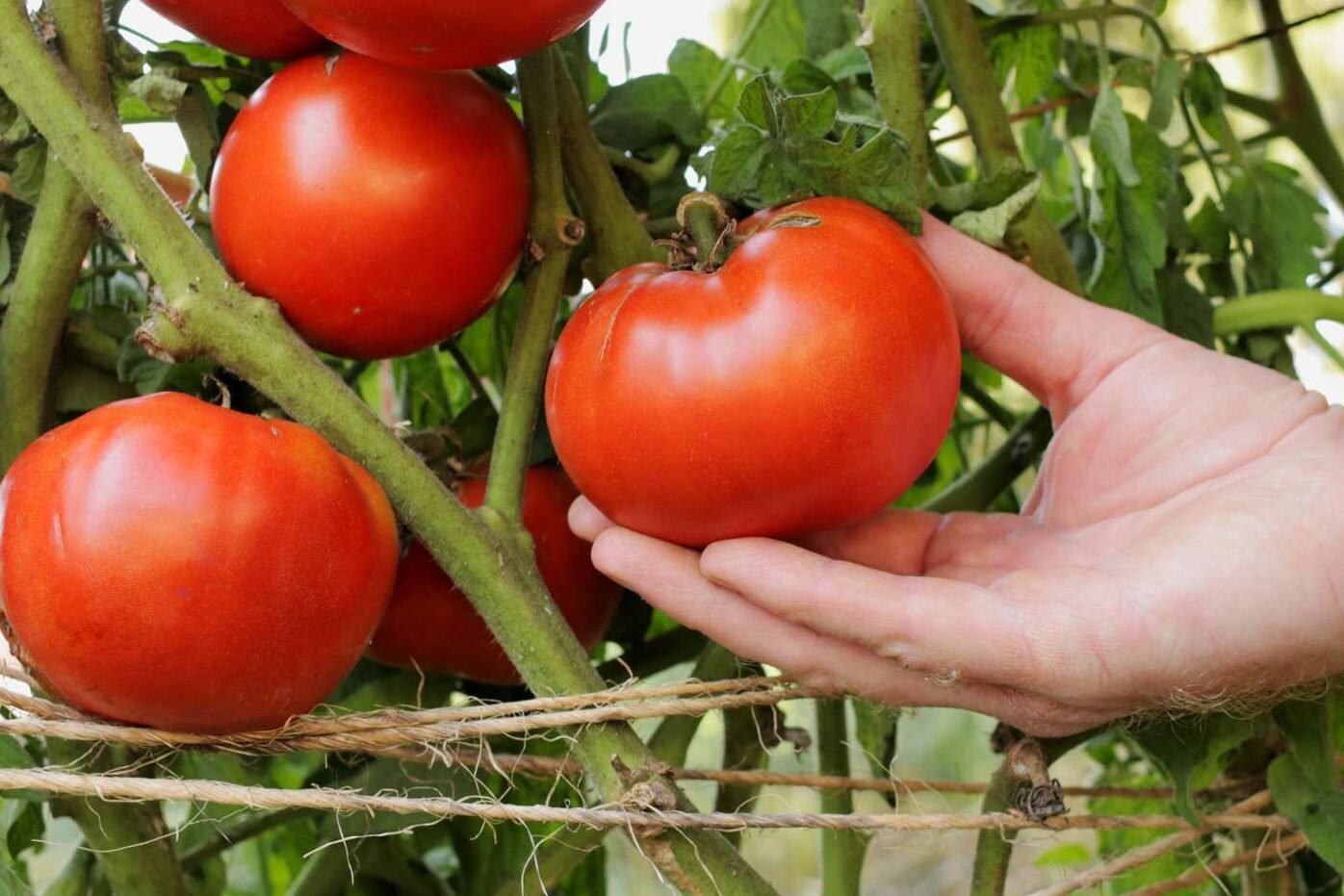
As soon as the first pair of true leaves with the typical pinnate leaf blades appear, it is time to repot. Tomatoes require a lot of nutrients, so you should not delay repotting them into nutrient-rich topsoil for too long. The pot’s diameter must be at least 9 cm. Use tomato or nutrient-rich topsoil. Loam is only suitable to a limited extent; it often contains many coarser wood residues; the special vegetable potting soil has a finer structure and nutrient content that is ideal for vegetable plants.
Fertilize
Keep tending to your cherry tomatoes in a sunny spot at about 18°C. When the leaves start to lighten, it’s time to apply more fertilizer. This is because the soil’s nutrient supply for the tomatoes will soon be depleted. Opt for a liquid fertilizer, as it acts quickly and the yellowing leaves will regain a vibrant green color swiftly.
Harden
By the beginning of May at the latest, the small seeds have already grown into strong young plants. Gradually introduce your proteges to direct sunlight by placing plants outdoors during the day and bringing them back inside in the evening. A pleasant side effect is that the gentle wind and movement help the stems grow increasingly stronger.
The right location
It’s best to find an indoor spot for your tomatoes where rain won’t cause damage. Tomatoes are highly vulnerable to downy mildew and brown rot. The pathogen Phytophthora infestans is the same one responsible for late blight on potatoes. While it’s impossible to shield tomatoes from the spores of the fungus directly, infection requires free water on the leaves. The best way to prevent brown rot is to keep tomato leaves dry. If planting tomatoes outdoors, select a location with gentle wind to help the plants dry quickly after rain. Tomatoes thrive in sunlight, warmth, and prefer deep, nutrient-rich soil.
Plant outside
Loosen the soil thoroughly in the planting hole and add some slow-acting tomato fertilizer to ensure good base fertilization. Plant the tomatoes about 5cm deeper into the hole; new roots will develop on the stem. This enhances the plant’s stability and promotes a deep root system.
Treatment
Tomatoes require water, but only at the roots. When watering, avoid wetting the leaves. Mulch helps prevent water splashes and keeps the soil moist. Remove old and diseased-looking leaves regularly. Water tomatoes consistently and prevent large fluctuations in water supply. Such fluctuations can cause blossom end rot or fruit splitting.
Sold out yes or no?
The subject of pinching tomatoes often sparks heated debates. Whether pinching is beneficial largely depends on the tomato variety. During thinning, the lateral shoots of tomatoes are taken off. These small shoots grow between the leaf and the fruit cluster, and they should be gently broken off with your fingers regularly. The aim is for the tomato plant to focus on producing abundant fruit rather than excessive leaves.
The stick tomato
In the right conditions, stick tomatoes can reach heights of several meters. It is important to carefully and regularly uproot the plants. Only this way do they stay healthy and do not spread uncontrollably. If you simply allow tomatoes to grow on the stick without pruning them, you will only harvest a small amount of fruit because the plant directs most of its energy toward developing new leaves and shoots. Very large tomato varieties are only available as stick tomatoes, such as the beefsteak types ‘Corazon F1’, ‘Gigantomo F1’, or ‘Marmande’.
Bush tomatoes and dwarf cherry tomatoes
These tomato varieties are characterized by their growth habits. They do not require pinching because their growth is naturally compact. The “Vilma F1” cherry tomato variety grows to about 30 cm, while the “Dona F1” reaches only 40 cm in height. The ‘Hoffmanns Retina’ is a salad tomato variety that grows to just 50 cm tall. If space is limited, these tomato varieties are perfect!
The wild tomato
Even so-called wild tomatoes, like the “Redcurrant” variety, do not need exhaustion and are especially good for outdoor growing. The growth of this variety should not be overlooked. The plant expands as it grows and produces many small fruits all summer long.
Prevents blossom end rot
Blossom rot of tomatoes is especially troublesome. The initial fruits of the season are most affected. The fruits develop blackening at the bottom tip and become inedible. This issue is not caused by a disease but results from a calcium deficiency in the plant. Supplementary fertilization with lime offers only limited benefits; it is more effective to maintain a consistent water supply from the start and to remove all leaves located beneath the first panicle. Proper ventilation must be maintained to keep humidity levels low in the greenhouse. Tomatoes with large fruits are particularly common and are severely impacted.
Which strain is right?
If you are searching for the perfect type of tomato, you will have many options to choose from. There are different shapes and colors available, ranging from small cocktail tomatoes weighing just a few ounces to one-pound beefsteak tomatoes. Sometimes, it can be easy to lose track of your choices. First, consider what you want to use the tomatoes for. Do you prefer small, sweet fruits to snack on, or do you want to make tomato sauce for the colder months, or do you prefer a traditional tomato salad? Also, remember that with proper care, tomatoes can yield five to seven bunches per season. Next, determine how much space you have for growing tomatoes and whether you can grow them indoors, protected from rain. If you choose to grow them outside, be sure to select a variety that is resistant to downy mildew. Often, the tolerant varieties are F1 hybrids. This selection does not involve genetic engineering, but it is the result of crossing two different varieties of tomatoes. In the first generation of descendants (F1), the traits appear consistent before segregating again in later generations. In the F1 generation, desirable features like good taste and high yield can be combined with resistance to diseases.
Tomato tea
Tomatoes should be picked when they are completely ripe. As a result, they become fragrant and tasty. Starting around mid-August, you should cease watering and fertilizing your tomatoes. Removing the top of the tomato can help the unripe cobs fully mature before winter begins. All tomatoes, including the green ones, should be harvested before the first frost. Unripe fruits can ripen in a box with apples.
Conclusion
Homegrown aromatic tomatoes are a staple of summer. To guarantee that the crop surplus is sufficient, several factors must be taken into account. This includes everything from cultivation and selecting the appropriate variety to caring for the tomatoes. They require our ongoing attention until autumn, but in return, we get to enjoy tasty, fragrant fruits.
Ultimas Entradas Publicadas
4 reasons to adopt Philodendron brandtianum, the perfect houseplant!

Various models and big discounts in the summer sales: the deal of the day

Let’s talk about Christmas decorations

– Complete calendar of holidays and events

Our favorite seasonal rugs and design tips

The most inspiring Christmas gift perfumes 2025: ideas for him and her
Camellia sasanqua, winter flower – Online Plant Sales
What is happening to our Planet?
How to build a greenhouse for succulents: practical guide