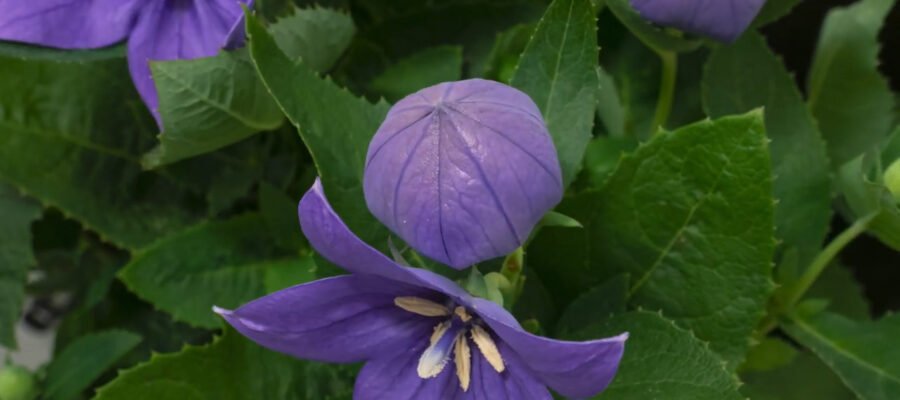
The bellflower, also known as the Chinese bellflower, is an ornamental plant native to Asia, highly prized for its versatility since ancient times. This unique flower is captivating with its delicate, bell-shaped blossoms, resembling tiny, colorful balloons that bring a delightful visual experience whether placed in a garden or on a windowsill.
The bellflower is a versatile plant suitable for various landscaping designs. It can be planted in flower beds, borders, or on slopes, and is also well-suited for potted cultivation.
If you are looking for a robust, easy-to-care-for, and beautiful plant, then the bellflower (Platycodon grandiflorus) is definitely the perfect choice!
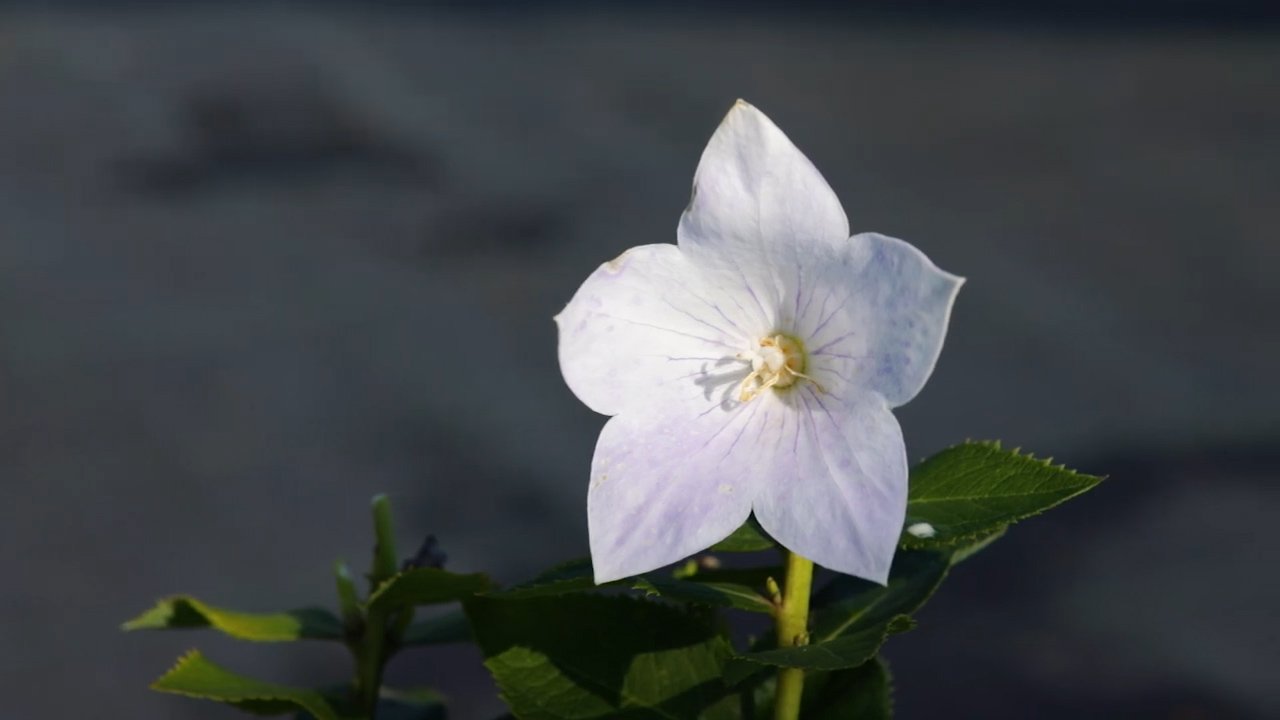
Platycodon is known for its beauty and his resistencebut it requires some attention to fully thrive. Let’s immediately find out how to take care of the Chinese bellflower.
What exposure to give to Platycodon
Platycodon prefers a position of direct sun or semi-sunny. However, it can also tolerate partial shade (it may actually do well in some shade when the afternoon sun is particularly intense). If planted in complete shade the plant will produce fewer flowers.
What temperatures does Platycodon want?
This plant is resistant up to -20°C. In winter it fades completely and then reappears in late spring and blooms again in summer.
The ideal temperature for Platycodon is between 18 and 25°C, but it can withstand higher temperatures if it has some shade in the afternoon. Frost can kill younger seedlings.
Temperatures above 30°C for long periods of time can cause heat stress, preventing flowering. However, it is a plant that despite everything It resists temperature changes wellreturning to grow (or re-grow) normally, once optimal cultivation conditions have returned.
How to water Platycodon
When Platycodon is still young, the soil must be kept constantly moist, but be careful not to soak it. Once the plant has established itself, it always prefers there to be a moderate amount of humidity in the substrate, but it may tolerate short periods of drought. During the summer, regular watering is required, while in the winter it is recommended to suspend it completely.
Which substrate to choose for Platycodon
Platycodon is not a too fussy plant when it comes to substrates, but prefers light, fertile soil with excellent drainage.
As for pH, the ideal is 5.5–7.5 (from acidic to slightly alkaline).
As always we recommend the One line!
How to fertilize Platycodon
If the soil is fertile, lisianthus typically does not require additional fertilization. Applying a layer of compost in autumn helps replenish nutrients used during flowering. However, for poor soil, slow-release fertilizer is recommended in early spring.
The Bio Oro biostimulant blend from the Bio Natura series works exceptionally well when mixed with a liquid fertilizer specifically for flowering plants. Weekly application promotes new flower and bud formation and helps the plant withstand high temperatures and/or water stress during hot periods. We also recommend using the biostimulant Algatron.
How to propagate Platycodon
It is possible to propagate Platycodon by seed, cutting of stem or for root division.
Stem cuttings:
- use sterile, sharp tools to cut a portion of the stem of about 10 cm and remove the lower foliage to expose the stem;
- if you want to use a rooting hormone on the stem, then place it in moist soil;
- keep the soil moist (but not soaked) while waiting for the roots to take root;
- when you start to notice leaf growth, the plant is ready to be transplanted into the garden.
These operations are usually carried out atbeginning of spring once the threat of frost has passed, Platycodons should bloom during their first season. However, they can also be planted from spring to autumn, although the plants may not flower until the second year.
By seed:
- collect the seeds: in autumn collect the mature seeds of the Platycodon;
- soil preparation: fill the pots or containers with a well-drained cultivation soil rich in organic substances;
- Sowing: Plant the seeds about 0.5cm deep into the soil. Cover them lightly with soil and lightly compress the soil around the seeds;
- growing conditions: place the pots in a bright area but avoid direct sunlight and keep the soil constantly moist, but not soggy;
- Germination: Platycodon seeds usually germinate within 2-4 weeks. After germination, when they are large and robust enough, it will be possible to move the seedlings into pots or into the garden.
Platycodon is a plant that adapts well to the landscape and integrates even better in combination with other plants, including: Echinacea, Achillea, Hemerocallis and Phlox
How and when to prune Platycodon
Platycodon does not necessarily require pruning, this is done more for aesthetic reasons, or it is possible, towards late spring, to cut the tallest stems by about half, in this way you will encourage more robust growth of the plant.
In autumn it is also possible cut at ground level dying stems, this operation should best prepare the plant for the following year.
If you are not interested in collecting seeds, towards the end of the season, you can proceed with removing the flowers to prevent them from spreading to surrounding areas.
Platycodon parasites and diseases
Rarely, in very humid or stressful periods, fungal attacks caused by botrytis and frompowdery mildew.
A very effective mix against powdery mildew is to dissolve in 1 liter of water:
Platycodon is a compact herbaceous perennial plant, up to 60 cm tall, with blue-green lanceolate leaves and large balloon-shaped buds which open, depending on the variety, into large purple-blue, pink or white flowers cup-shaped about 5 cm in diameter.
It is part of the Campanulaceae family, and is the only species of the genus Platicodon. The name comes from the ancient Greek word wide “wide” tail “bell”.
It has dark green leaves and light blue flowers that bloom in late summer.
Habitat
Platycodon is native toFar East (China, Korea, Japan and the Russian Far East).
Types of Platycodon present in le Georgiche nurseries
There are several popular varieties of balloon flowers, including:
- Platycodon grandiflorus Astra Series: Platycodon grandiflorus “Astra” plants are compact, tufted perennials, which develop ovate to lanceolate, toothed, bluish-green leaves, up to 5 cm long, collected in whorls on the low stems, alternating at the top. They generate bell-shaped flowers, with 5 pointed petals, blue, white or pink, up to 5 cm wide, which bloom during late summer, in bunches of large buds.
- P. grandiflorus series Fuji: The plants of Platycodon grandiflorus “Fuji” are compact, tufted perennials, which develop ovate to lanceolate, toothed, bluish-green leaves, up to 5 cm long, collected in whorls on the low stems, alternating at the top. It generates bell-shaped flowers, with 5 pointed petals, pale pink or blue, up to 5 cm wide, which bloom during late summer, in bunches of large buds.
Curiosity
Platycodons have earned the Royal Horticultural Society’s Award of Garden Merit.
The flower of this plant in Japanese is known as kikyo (桔梗), in the tradition of the Rising Sun it is one of the “seven flowers of autumn”. Furthermore, the “bellflower seal” is the decorative seal of some clans.
Ultimas Entradas Publicadas
4 reasons to adopt Philodendron brandtianum, the perfect houseplant!
Various models and big discounts in the summer sales: the deal of the day

Let’s talk about Christmas decorations

– Complete calendar of holidays and events

Our favorite seasonal rugs and design tips

The most inspiring Christmas gift perfumes 2025: ideas for him and her
Camellia sasanqua, winter flower – Online Plant Sales
What is happening to our Planet?
How to build a greenhouse for succulents: practical guide