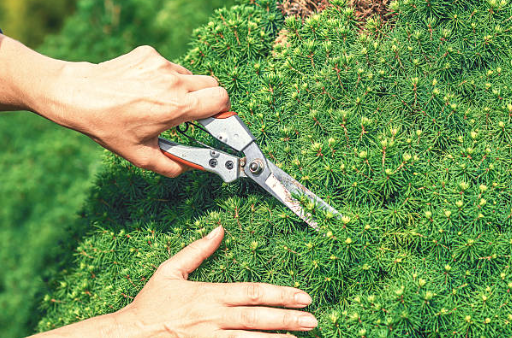
Pruning plants is a fundamental technique for anyone who loves gardening, whether amateur or professional. But what does topping a plant really mean? It is a targeted pruning practice that encourages the growth of new branches, promoting a more lush, balanced, and productive development. By topping, you can correct the plant’s shape, enhance its yield, and achieve impressive results, which is why it is popular among both gardeners and expert growers.
Imagine for a moment your favorite plant: perhaps it is growing very tall, but produces few flowers; or it is a fruit plant that is not ensuring the desired harvest quantity. In these situations, height can be significant. A clean and precise cut on the tops of the main branches can restore energy to the plant, encouraging new branches and making the shrub denser and more balanced.
However, it is important to remember that it is not a simple “random cut”: behind good trimming there is technique, observation and respect for the right times. Understanding how, when, and why to trim means transforming a messy bush into a healthy and well-formed plant, ready to give its best in flowering and production.
Trimming plants: why is it important?
When we dedicate ourselves to pruning of plantswe directly influence the way they grow and develop, guiding them towards the shape and productivity we desire. But what, really, is the usefulness of this practice? Trimming offers numerous benefits, including:
- Stimulate the growth of lateral shoots
By removing the vegetative apex, the plant redistributes energy towards the lateral branches, favoring a denser, more balanced and ornamental foliage. - Increase the production of flowers and fruits
By allowing the plant to expand laterally, the areas in which buds and fruit can form increase, with a clear improvement in flowering and productive yield. - Keep the plant healthy
Eliminating overly developed, weak or damaged parts allows the plant to concentrate resources on the stronger tissues, promoting healthy and vigorous growth. - Check the size and shape
If you want a compact bush or a plant with a specific shape, topping is the ideal technique: it allows you to shape the vegetation according to aesthetic and space needs.
THE height it therefore represents a precious ally in gardening: it allows you to obtain lush and tidy plants, improves general health and maximizes the production potential of each species.
Trimming techniques: how to do it
When preparing to trim plants, it is important to be clear on the correct technique to avoid damaging them. Before reaching for the shears, you need a good strategy to achieve truly effective results. Here are the basic steps to follow:
- Choose the right time
Generally, trimming is carried out during the vegetative periodwhen the plant is in full development and can react quickly to cuts. Some species, however, require different timing: find out about the specific needs of the variety it’s always a good practice. - Identify the branches to be trimmed
Look carefully at the plant and identify the tip or ends of the main branches that need to be removed. The objective is to stimulate horizontal and harmonious growth, so concentrate the intervention on the areas that will benefit most from cutting. - Makes a clean and precise cut
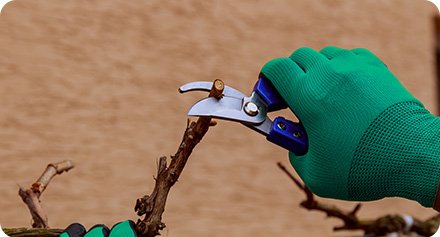
Use sharp, well-cleaned shears. Make an oblique cut just above a node or lateral bud: this promotes rapid healing and reduces the risk of disease. - Observe and monitor the plant
After trimming, check the plant regularly to see how it reacts to cuts. The first few weeks are crucial to evaluate whether the pruning has had the desired effect and to make any corrections.
Consider these steps when practicing pruning of plants it can transform your garden or terrace into a little corner of green paradise.
Trimming tools: what do you need?
Just as a painter wouldn’t work without his brushes, a gardener must also have the right tools available to take care of his plants. Here are the essential tools kit for those who practice trimming:
- Pruning shears or scissors
They are the main tool for trimming. They must always be sharp to ensure a clean and clean cut: dull or damaged blades risk crushing the branches instead of cutting them, increasing the risk of infection and stress for the plant. - Pruning knife
Ideal for more delicate interventions or for plants with thin branches. It is important that the blade is always very clean, so as to avoid the spread of pathogens such as fungi and bacteria. - Gardening gloves
A fundamental accessory to protect hands from thorns, abrasions and accidental cuts. In addition to safety, they make the whole process more convenient and precise. - Disinfectant for instruments
Used to clean blades between cuts. Keeping tools disinfected is essential to prevent the transmission of diseases between different plants.
These tools are easily available, but remember: the quality of the tools affects not only the final result, but also the health of the plants. Investing in valid tools means working better and ensuring healthier and more vigorous growth
Which plants to trim: most common species
Not all plants respond the same way to topping. While some benefit greatly, others may suffer if treated incorrectly. Here are some of the most common species that love to be clipped:
- Tomatoes
Tomato plants respond very well to topping. By cutting the tops and controlling the side shoots, it is possible to regulate the growth of the plant and increase fruit production, obtaining more abundant and uniform harvests.
- Basil
Trimming basil stimulates the production of new fragrant leaves and delays early floweringguaranteeing a thicker and more luxuriant plant, ideal for the kitchen and for decorating the garden.
- Peppers
Trimming pepper plants helps contain excessive growth by improving air and light circulation between the leaves. The result is a healthier and more fruitful plant.
- Geraniums
These flowers love light pruning, which promotes continuous flowering and keeps the foliage compact and vigorous, making them perfect for balconies, terraces and flowerbeds.
Understand which plants respond best to height allows you to plan interventions in the garden or vegetable garden in a strategic way, maximizing health, flowering and productive yield.
When to avoid topping
Despite the numerous benefits, the pruning of plants it’s not always the best choice. In some situations, this practice may hurt more than help. Here’s when it’s best to avoid topping:
- Young or weak plants
Avoid topping seedlings that have not yet developed a robust root system. These young plants may not withstand the stress of cutting and may temporarily slow growth. - Stressed plants
If a plant is already under stress due to unfavorable conditions, such as pest attacks, disease or nutrient deficiencies, topping may make the situation worse rather than better. - Species not suitable for trimming
Some plants, by their nature, do not benefit from this practice and, in some cases, can even be damaged if subjected to improper cuts.
Carefully evaluate the health status and characteristics of the plant before proceeding with the height it is essential to avoid causing unintentional damage.
Common mistakes when trimming plants
Even the most experienced gardeners can make mistakes when it comes to topping plants. Knowing the most common ones can help us avoid them and improve the health of our plants. Here are some of the most frequent mistakes:
- Do not clean the instruments: cutting with dirty shears is one of the first causes of infections among plants. It is essential to disinfect the blades before each use.
- Cut too much: Enthusiasm can lead to excessive removal of plant tissue. This can weaken the plant and slow its growth.
- Topping at the wrong time: As mentioned, not all seasons are suitable for all species. Trimming out of season can compromise flowering or fruiting.
- Cut in the wrong place: Not seeing the node or bud beneath the cut can mean missing opportunities for lateral growth. Cutting too close to the knot can also cause permanent damage.
Long-term benefits of trimming
Trimming, when done in the right way, brings with it a series of lasting benefits that are reflected in healthier, more robust and productive plants. Here are the main advantages of constant and conscious practice:
- More balanced structure
Intervening regularly allows you to obtain harmonious and well-balanced hair. In addition to improving aesthetics, a stable structure reduces the risk of breakage due to wind, heavy rain or pathogens. - Greater productivity
In flowering and fruiting plants, topping can significantly increase the quantity and quality of flowering and fruiting. A plant that distributes energy better is a plant that produces more. - Improved general health
Removing weak, damaged or diseased parts helps limit parasite attacks and the onset of diseases. The plant, freed from critical points, grows with more vigor. - A more favorable growth environment
With an airy and well-lit canopy, the plant makes better use of sunlight and develops more uniform growth. Good air circulation also helps prevent mold and moisture-related problems.
The true ally of success is continuity: observing, intervening regularly and refining the technique over time allows you to obtain increasingly better results.
Conclusion
Trimming plants is a straightforward yet essential method for keeping a garden neat, fruitful, and healthy. Understanding the right timing, techniques, and common errors helps you achieve tangible outcomes without causing undue stress to the plants.
Whether you are a beginner or already have experience, trimming remains a useful practice to incorporate into daily greenery management. With some observation and consistency, it becomes an effective tool for directing growth and enhancing your plants’ vigor.
Ultimas Entradas Publicadas
4 reasons to adopt Philodendron brandtianum, the perfect houseplant!
Various models and big discounts in the summer sales: the deal of the day

Let’s talk about Christmas decorations

– Complete calendar of holidays and events

Our favorite seasonal rugs and design tips

The most inspiring Christmas gift perfumes 2025: ideas for him and her
Camellia sasanqua, winter flower – Online Plant Sales
What is happening to our Planet?
How to build a greenhouse for succulents: practical guide